A hydrologically and biologically complex proglacial lake system at the margins of the collapsing Laurentide Ice Sheet
Graham H. Edwards 1, Gavin Piccione 2, Luke Moreton 1, Emma Rose Garrett 1, David Jones 3, Clara Danhof 3
1 Trinity University (San Antonio, TX), 2 Brown University (Providence, RI, U.S.A.), 3 Amherst College (Amherst, MA, U.S.A.)
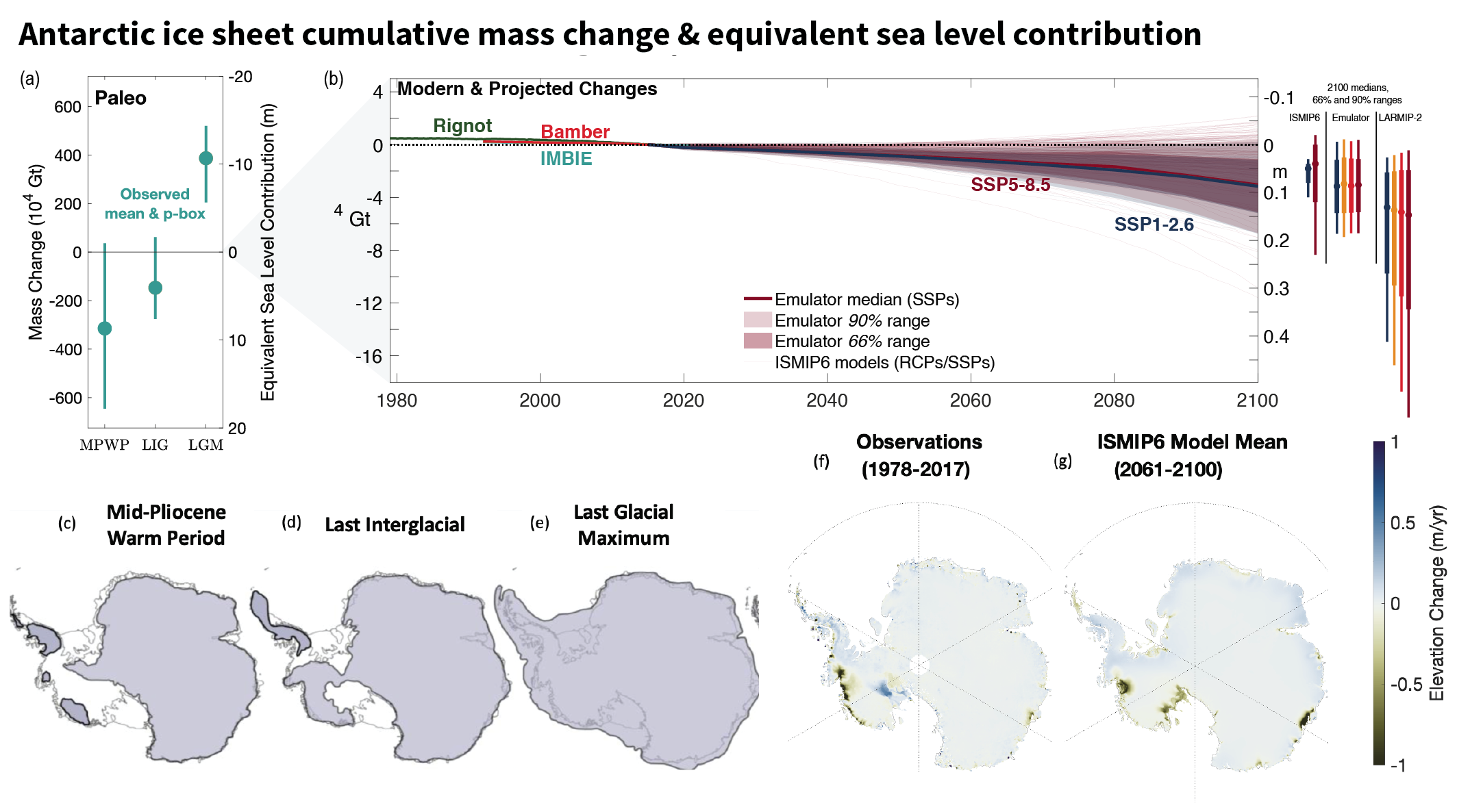
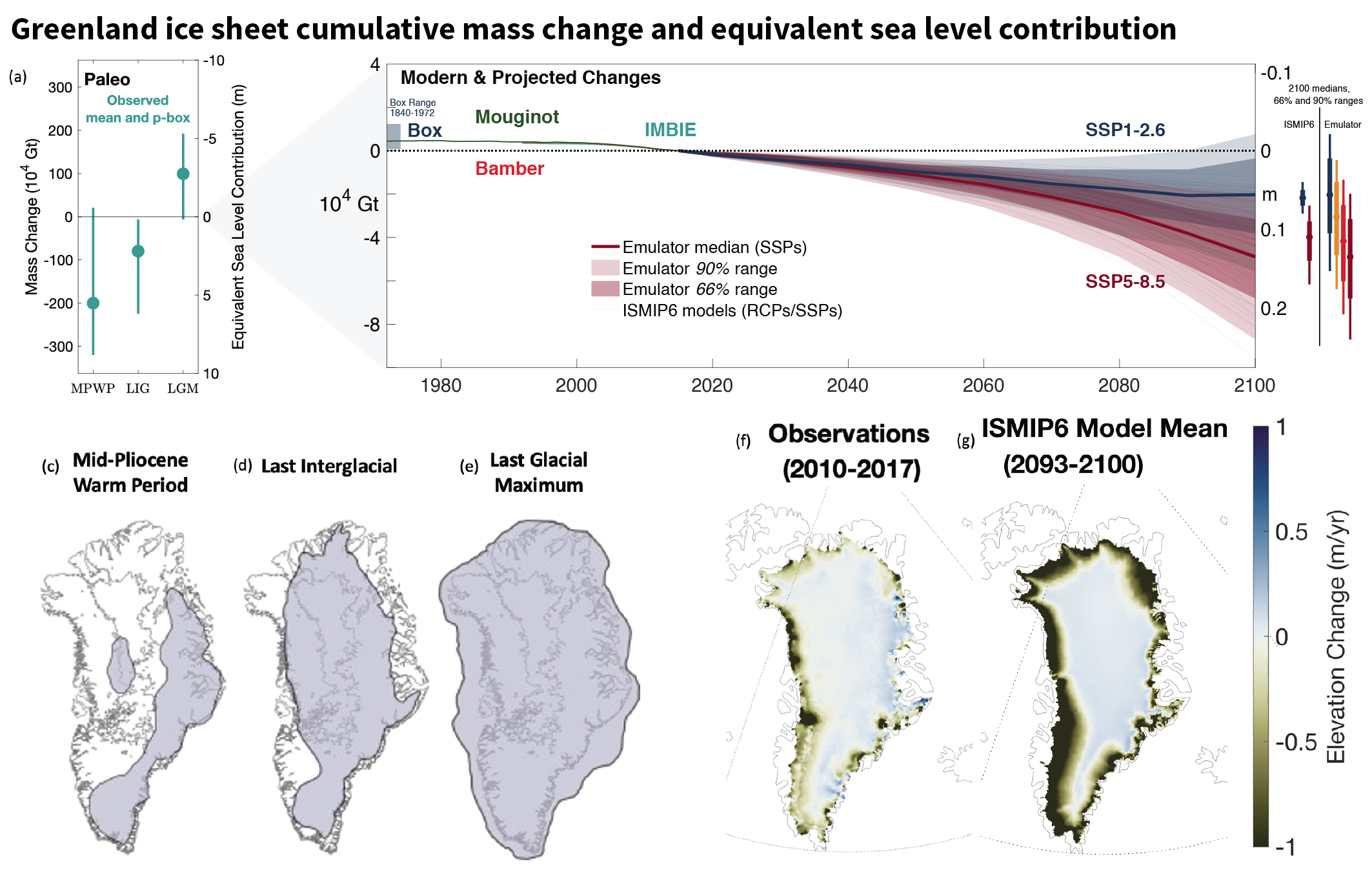
Proglacial lakes & wetlands are/will be emergent, dynamic environments in the modern warming climate.
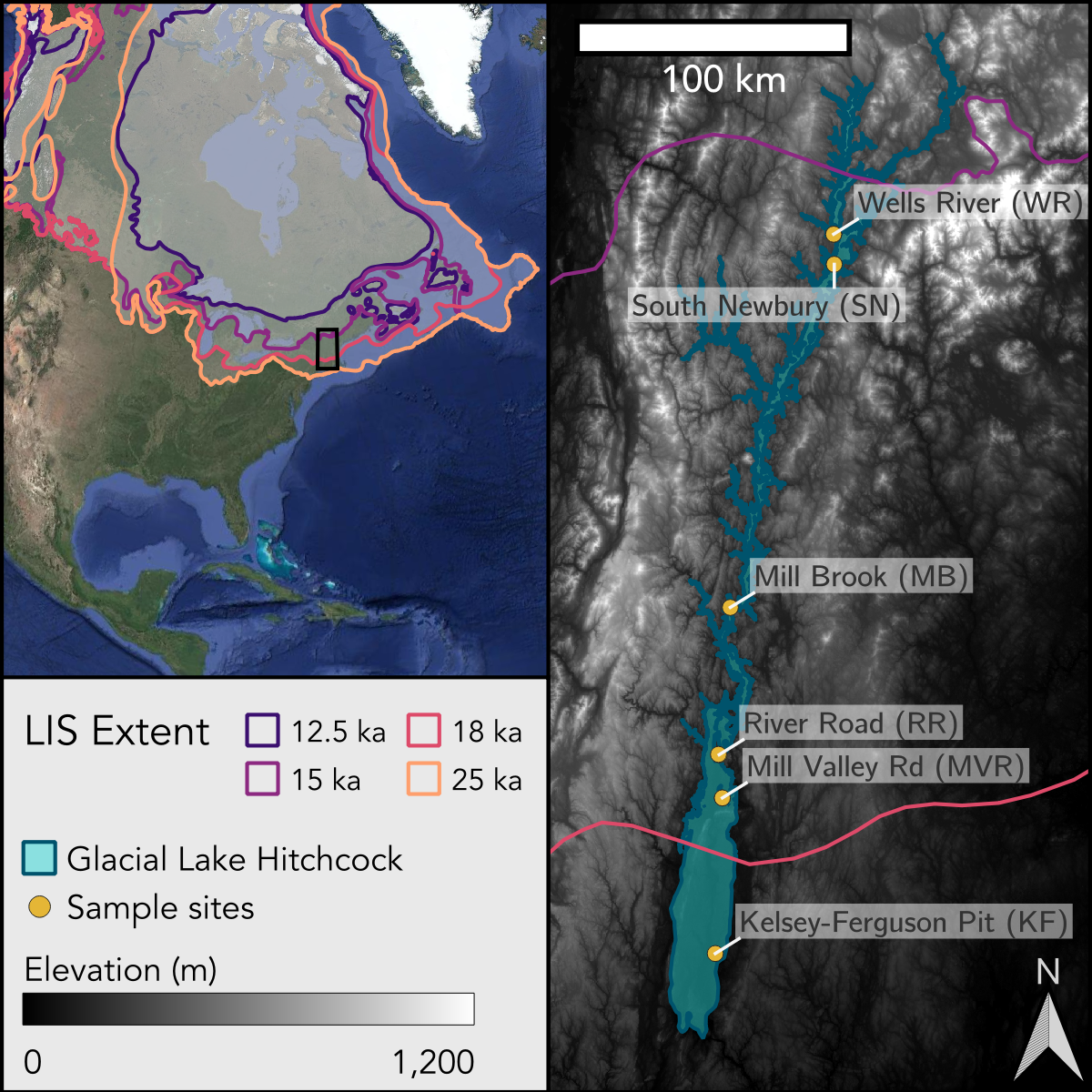
Glacial Lake Hitchcock (GLH)
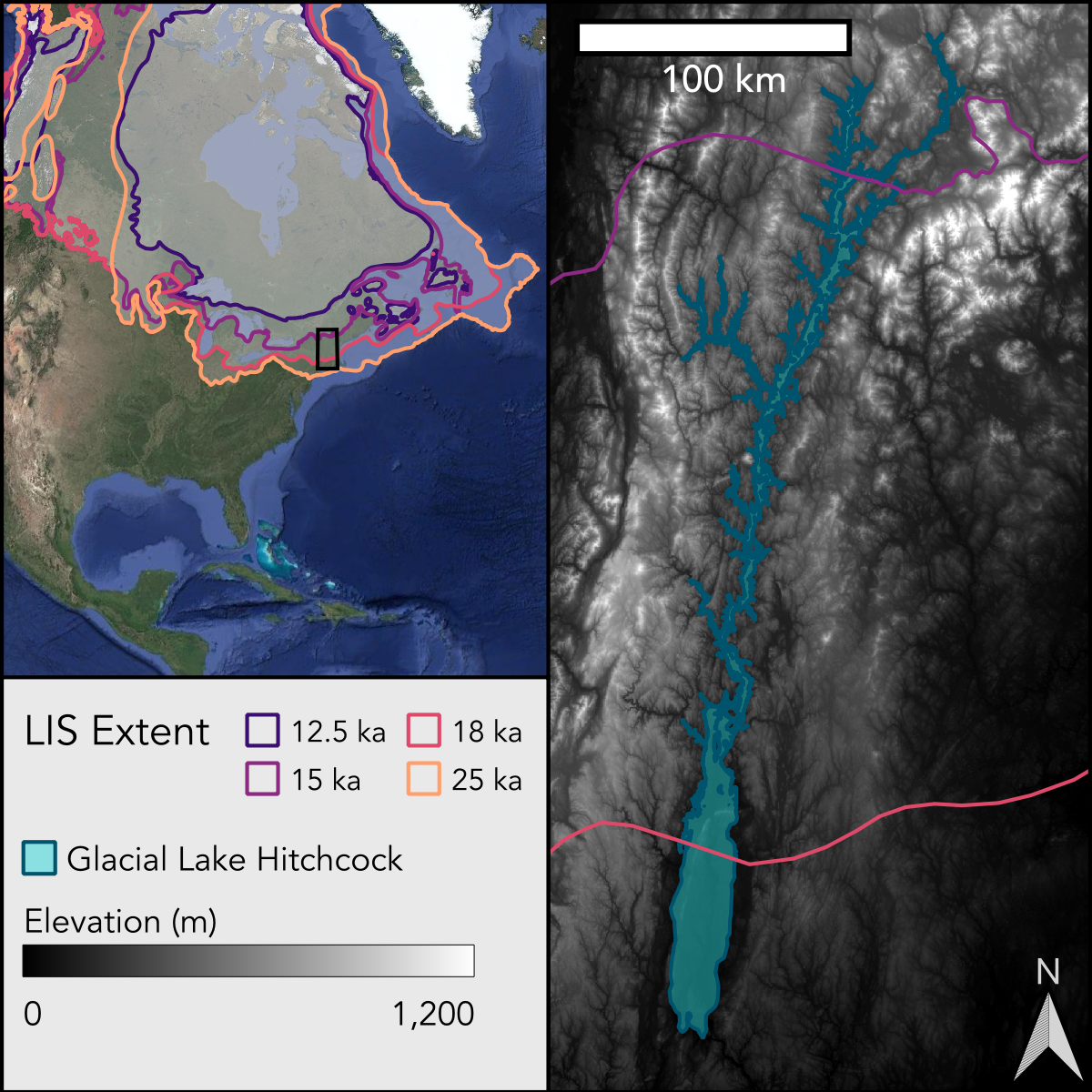
Dalton+2023, Ridge+2012, McGann+2024, Springston+2024
Connecticut River Valley
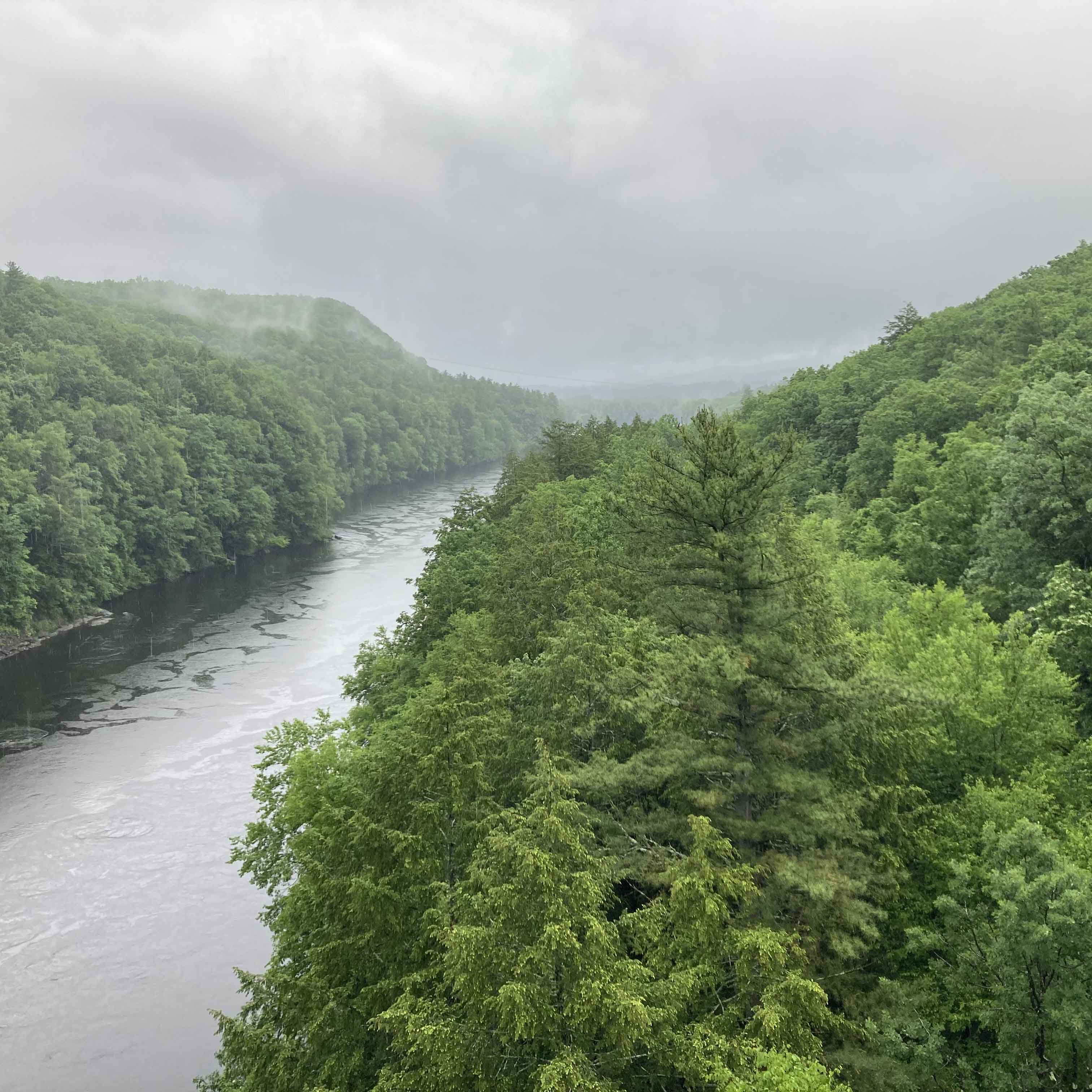
G.H. Edwards
North American Varve Chronology
- Precisely calibrated varve chronology of GLH, spanning 18.2–12.5 ka.
- Well-established Laurentide Ice Sheet retreat and GLH residence Antevs 1922, Stone+2025
- Lacustrine environment less well-described.
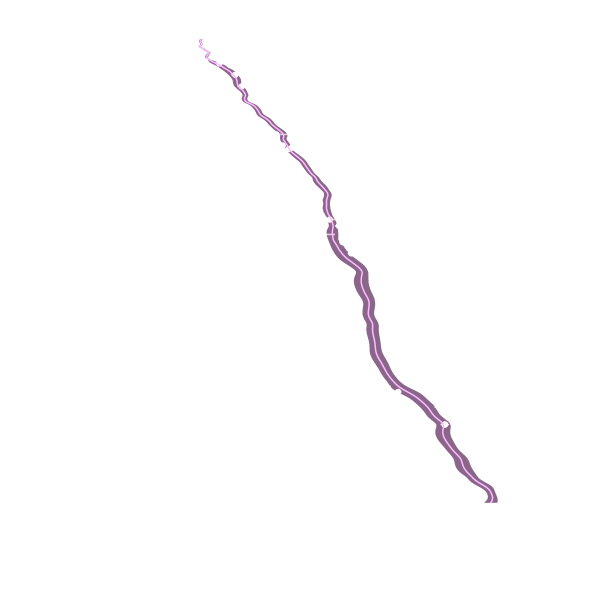
Ridge et al (2012), https://varves.as.tufts.edu/
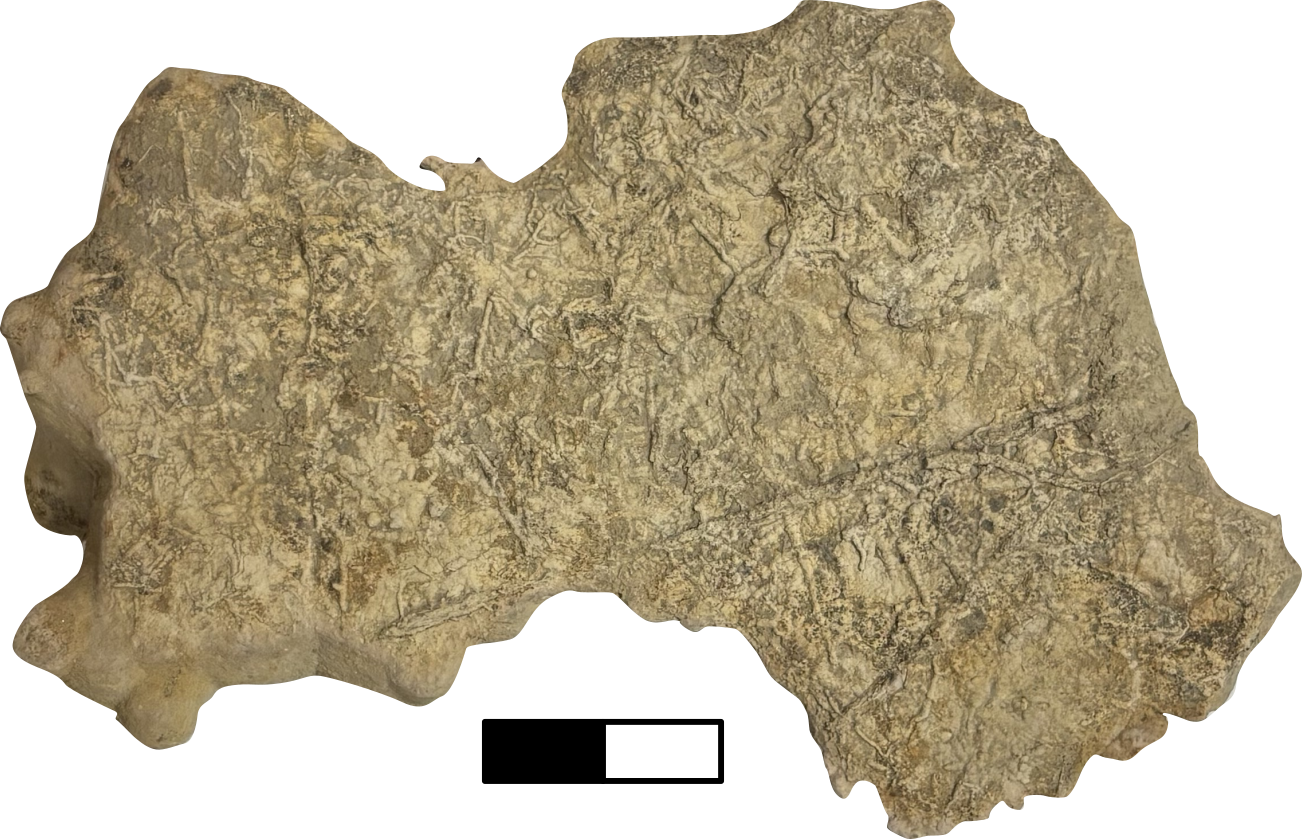
Carbonate concretions / claybabies
Non-displacive, formed through oxidation of local org-C Wu+2021
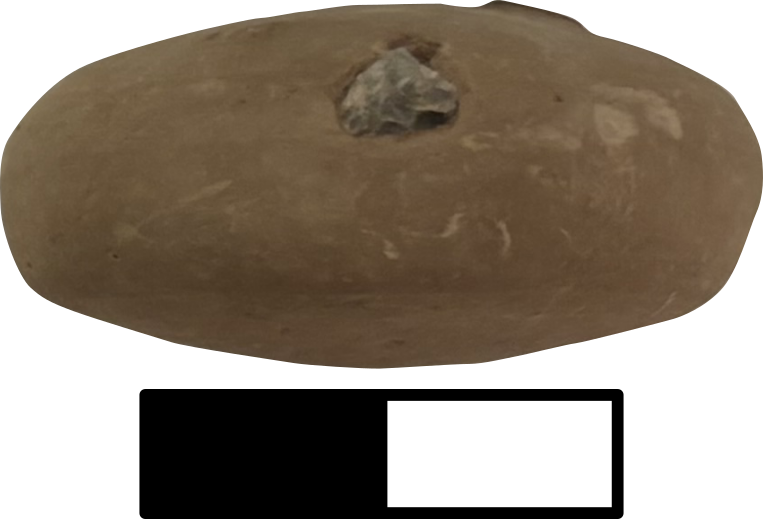
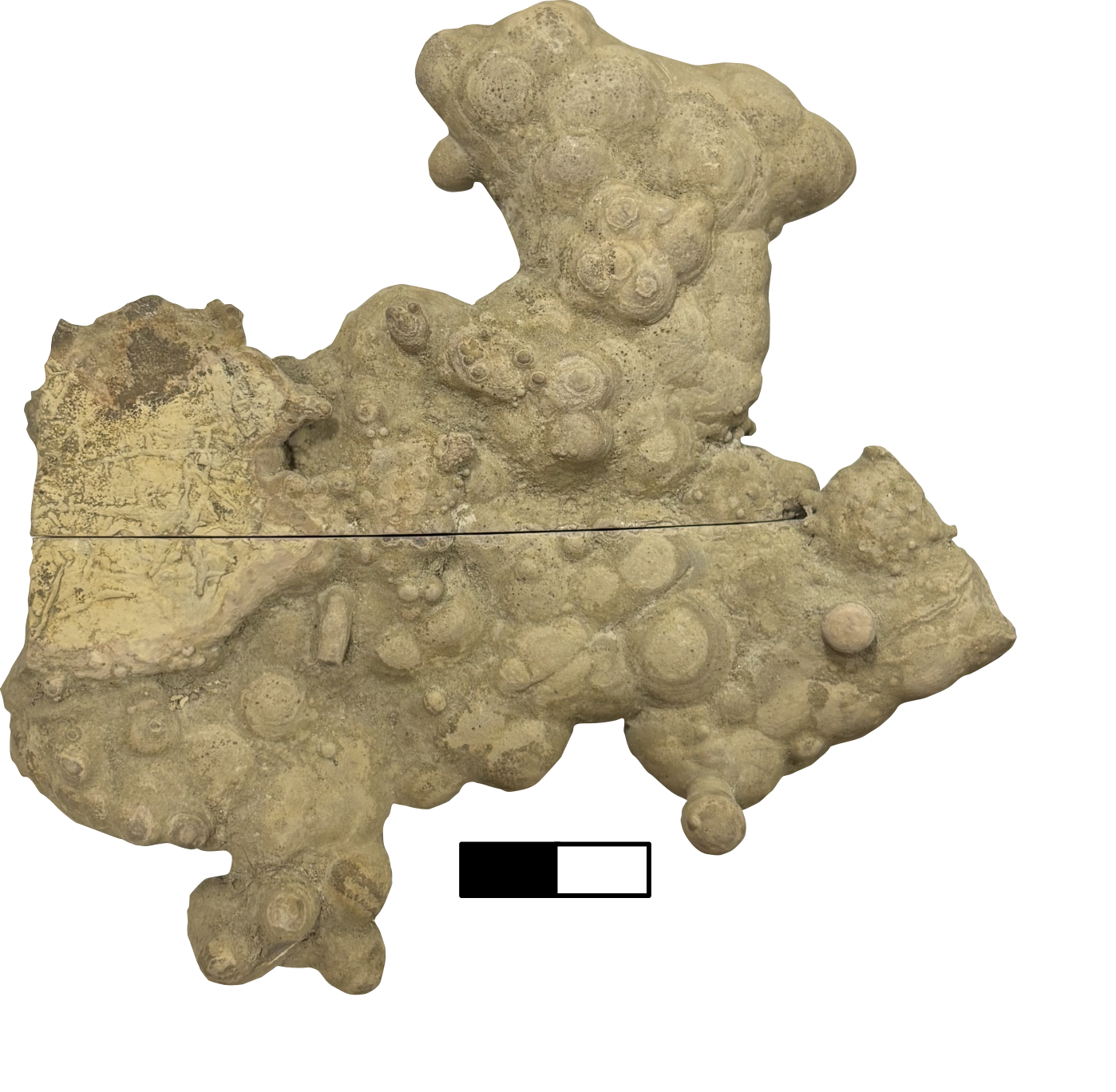
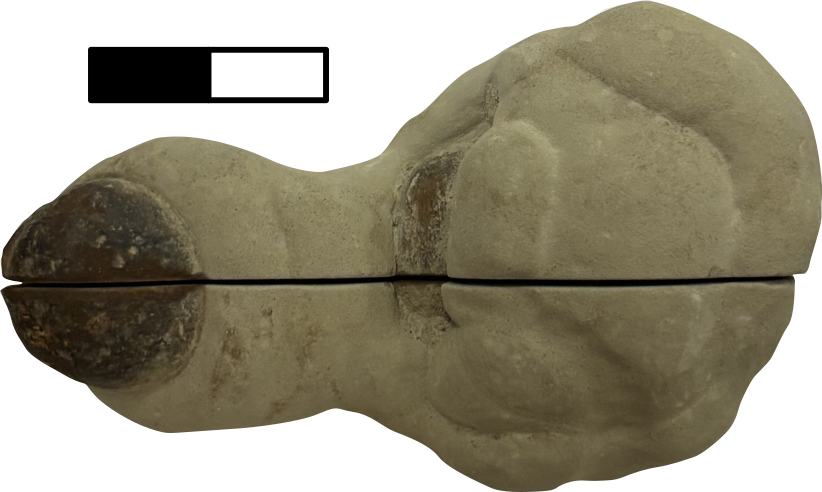
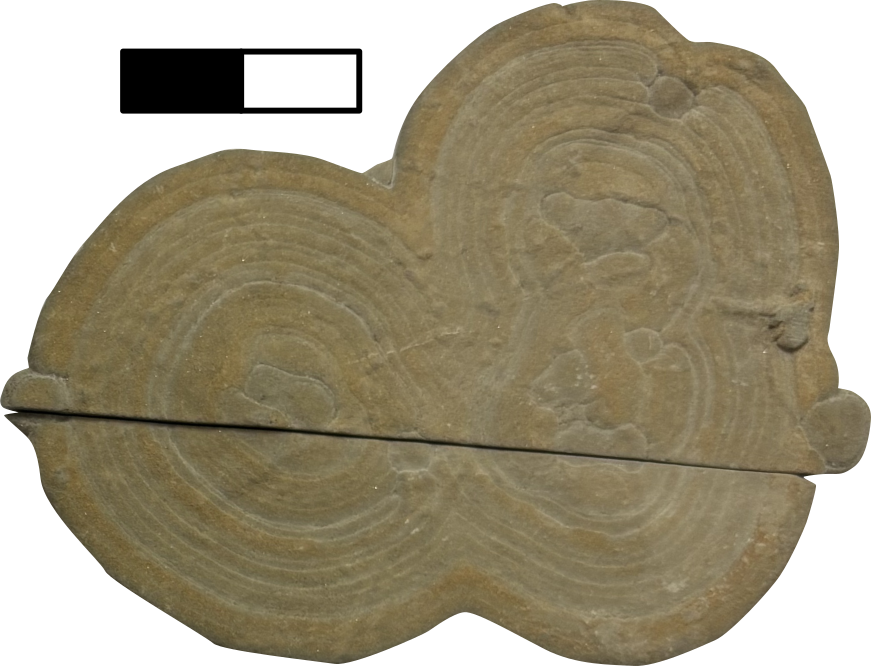
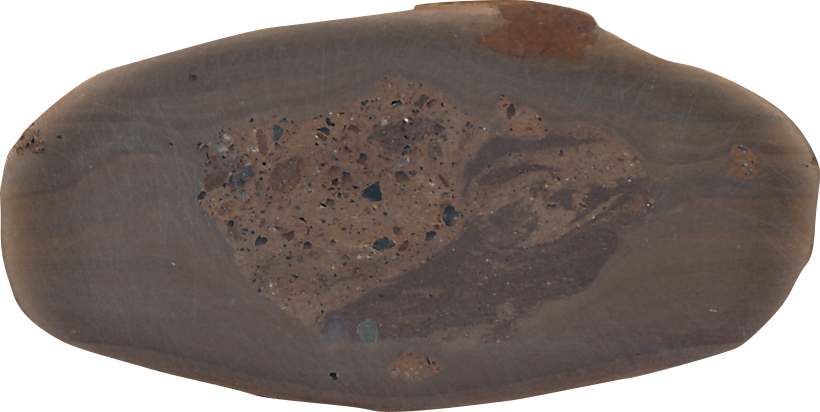
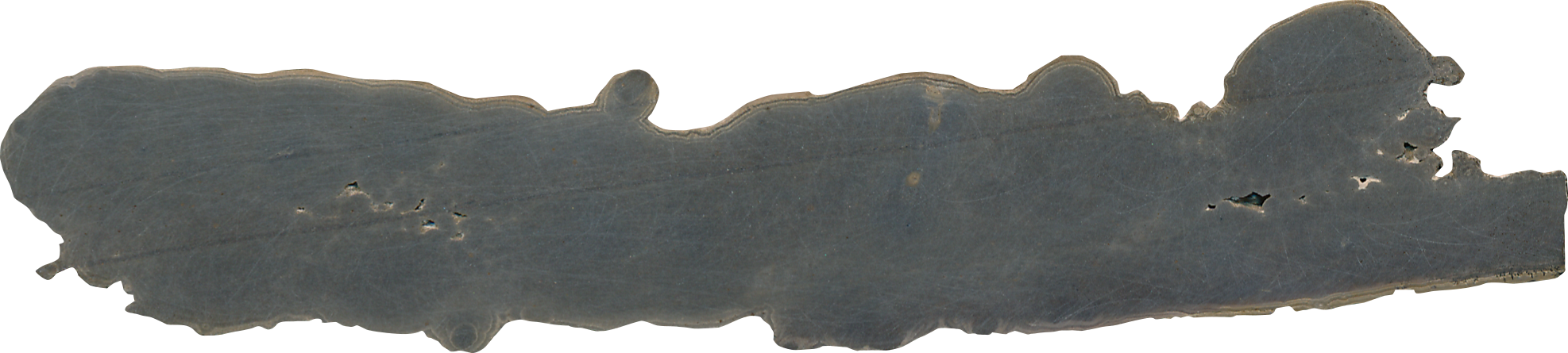
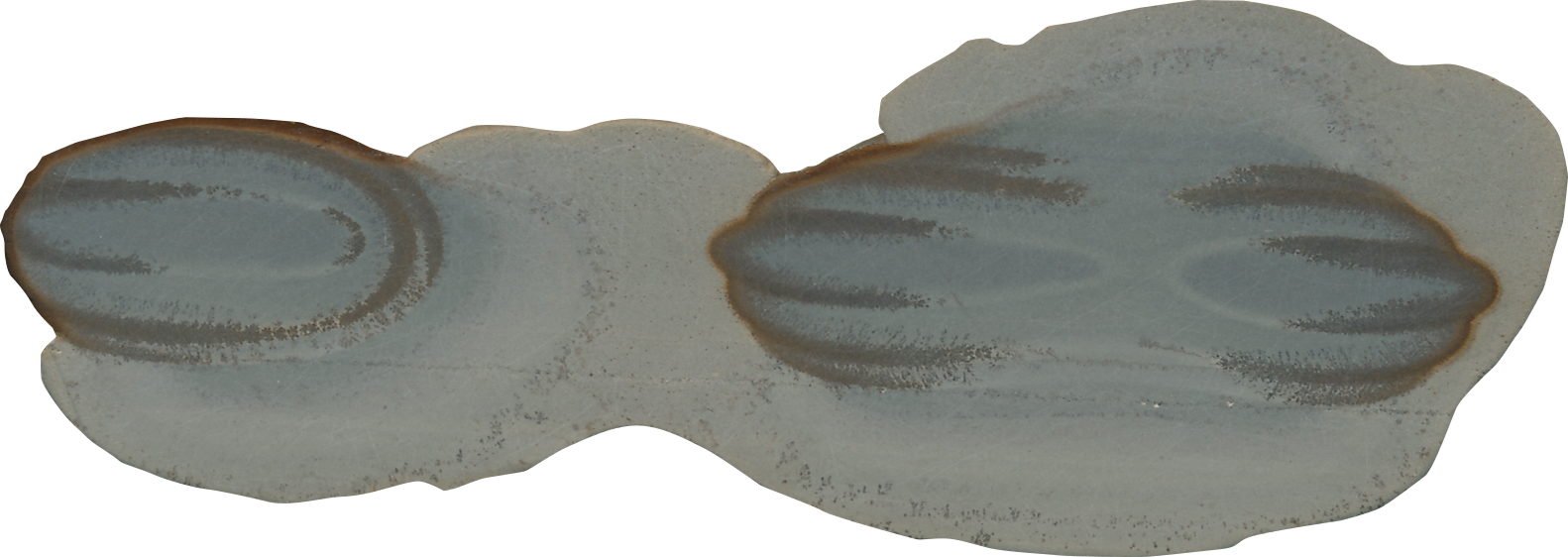

Thanks to Sophie Shipman for polishing cross-section surfaces.
Carbonate concretions / claybabies
Non-displacive, formed through oxidation of local org-C Wu+2021
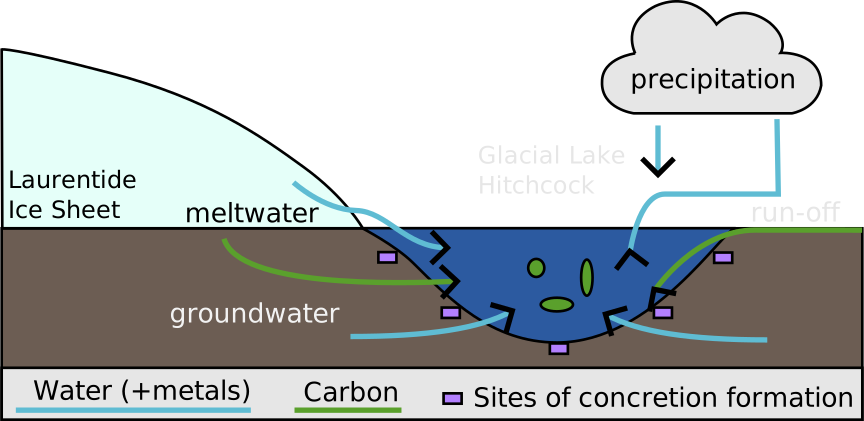
Reconstructing the hydrochemistry of the GLH proglacial lacustrine system.
Reconstructing the hydrochemistry of the GLH proglacial lacustrine system.
Field transect of the former GLH basin
Carbonate concretions
Isotope & trace element geochemistry
Bulk sediment
Ostracod and clay geochemistry
Sediment cores
Chronometric calibration with NAVC
Stable isotopes
Stable isotopes
Carbonate — concretions & ostracod valves
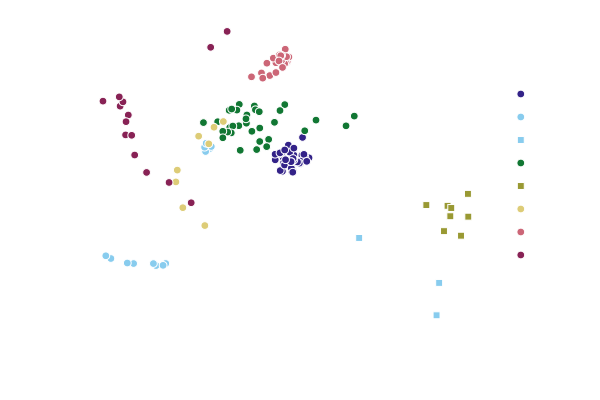
Stable isotopes
Carbonate — concretions & ostracod valves
↓T → ↓ δ18O
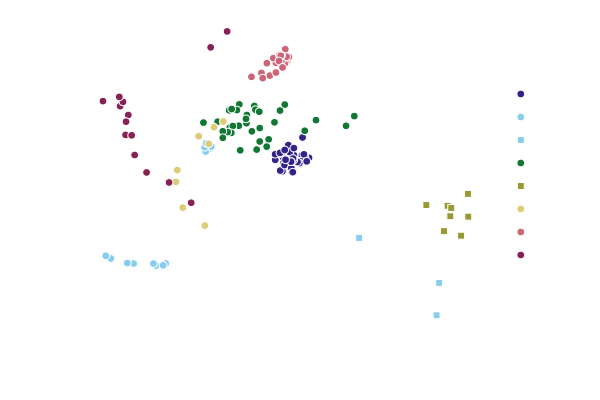
Stable isotopes
Carbonate — concretions & ostracod valves
- Modern precipitation: -7 ≤ δ18O ≤ -10 ‰ Terzer-Wassmuth+2021
- Similar δ18O for SN ostracods and concretions Danhof 2025
- Concretion-forming waters ≈ lakewater
- S→N transect of ↓δ18O (MVR, MB, WR)
- Proximity to ice sheet margin?
Stable isotopes
Clays
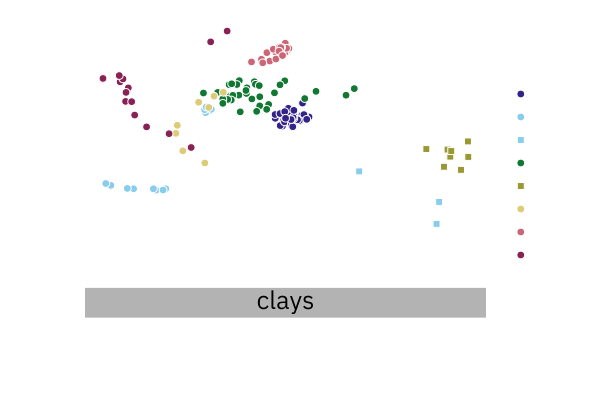
Stable isotopes
Clays
- Overestimate: δ18O ≤ 19 ‰ for T = 0°C
- Clay formation in (sub)glacial waters
- Basal LIS δ18O composition?
- Barnes Ice Cap basal ice: δ18O≈−25 ‰ Zdanowicz+2002
- N. Amer. fossil groundwaters: −12 ≤ δ18O ≤ −25 ‰ Ferguson & Jasechko 2015
Trace elements
Li, Na, Mg, Ca, Mn, Fe, Co, Ni, Cu, Zn, Sr, Ba, Pb, Th, U

Elevated Mn
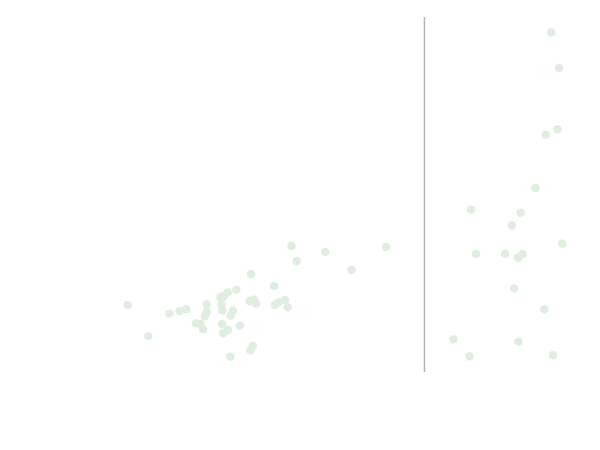
Elevated Mn
Redox
- Reducing conditions → high-Mn carbonate Wittkop+2020
- Fe-Mn oxide formation Dean+1981
- Reducing conditions → Mn2+
- Oxidizing conditions → MnO2
Several reduction/oxidation cycles
↑ Mn → ↓ δ13C
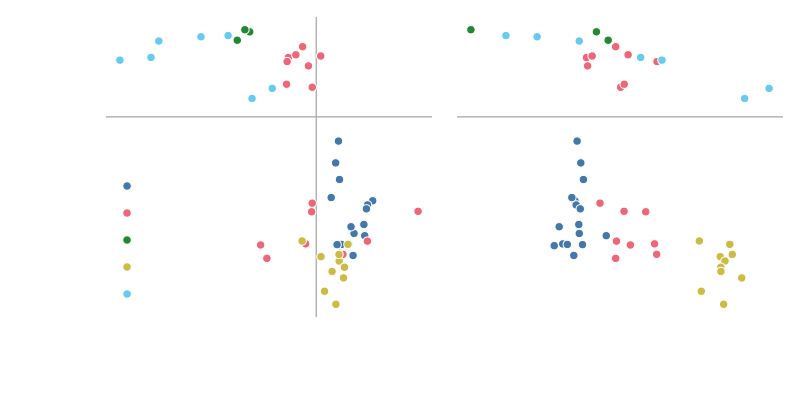
Emerging story
- Concretions form shortly after sediment deposition
- Spatiotemporal variability → environmental diversity
- Local/littoral processes dominate record
- Complex shallow sediment biogeochemistry
- Intense subglacial chemical weathering
Answers coming soon!
U-series ages (up to 10 ppm U)
Clumped carbonate isotopes
Conclusions
- Carbonate concretions are a promising archive of proglacial environment
- Forthcoming geochronology to better evaluate how
- Robust evidence for complex (post)GLH biogeochemistry and hydrology
Poster 60-54
Modern Problems Require Ancient Lakes: The Chronology and Chemistry of Glacial Lake Hitchcock
gedward1@trinity.edu
Acknowledgements: Jack Ridge, Al Werner, and assorted (NE) Friends of the Pleistocene.