Pathways of carbon and water through proglacial lake sediments during the Last Termination
Graham H. Edwards1, Gavin Piccione2, Julio C. Melara Jr.1
1 Earth & Environmental Geosciences, Trinity University, San Antonio, TX, U.S.A.
2 Geology & Environmental Science, The University of Pittsburgh, Pittsburgh, PA, U.S.A.
GSA Connects 2026


Modern ice sheet retreat

Modern ice sheet retreat
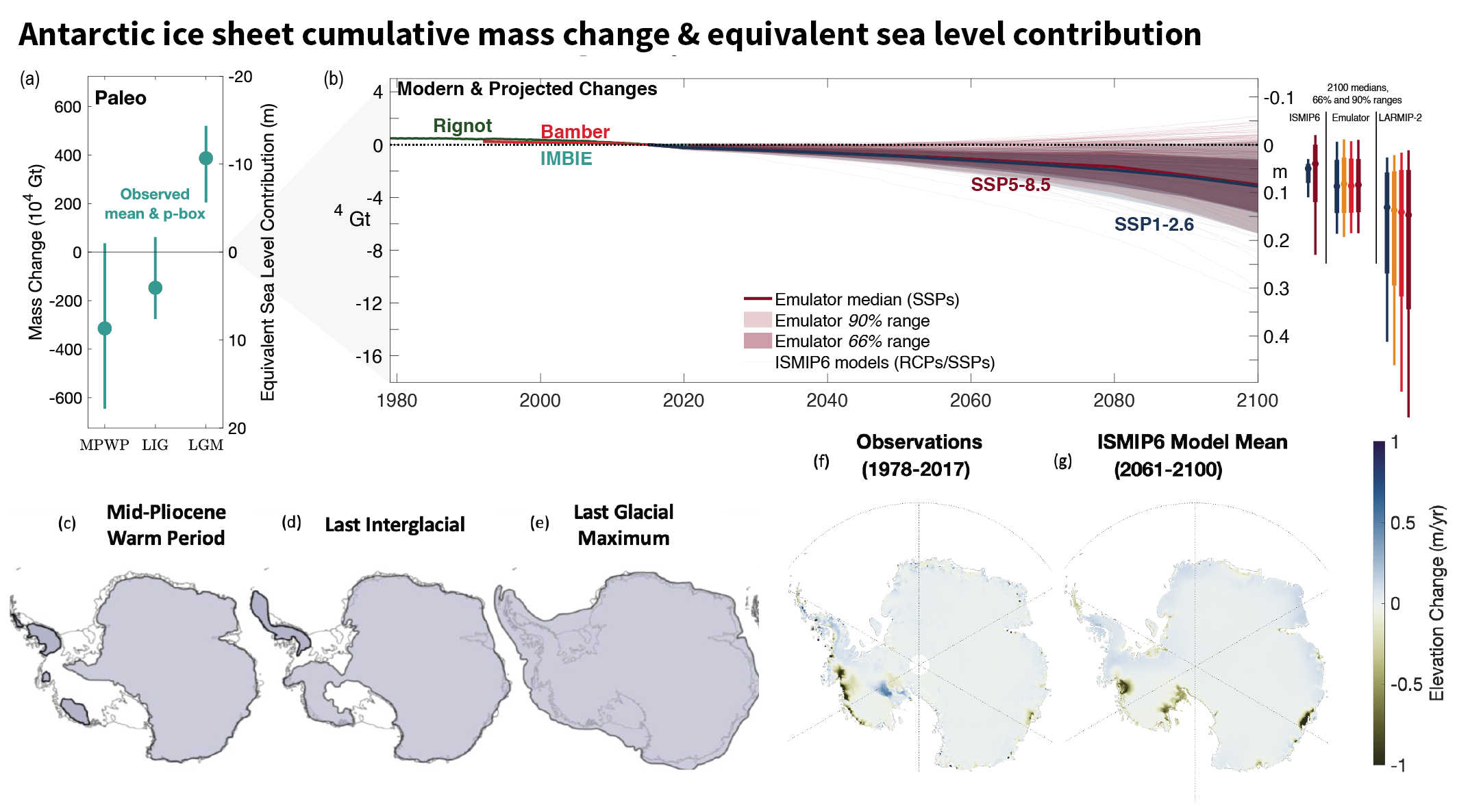
Proglacial lakes & wetlands are/will be emergent, dynamic environments in the modern warming climate.
Proglacial lakes and wetlands are sensitive intersections of Earth systems
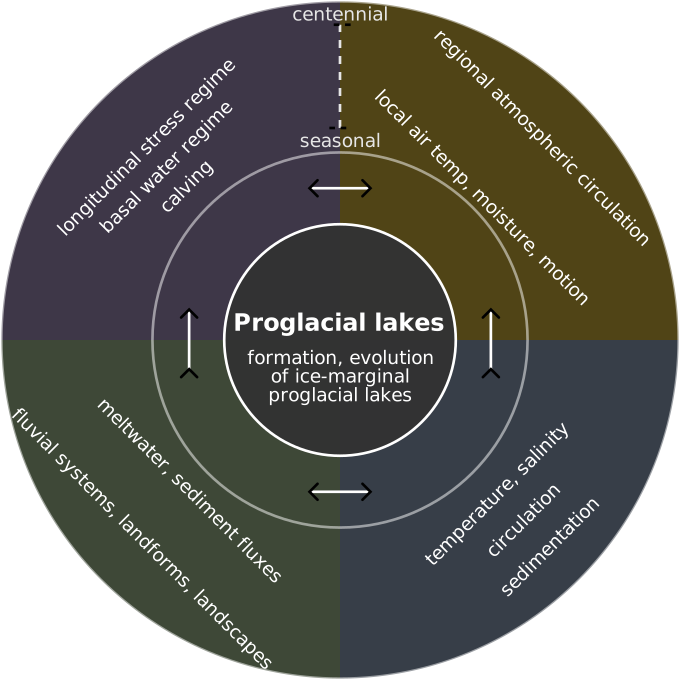
Adapted from Carrivick+Tweed 2013
Role of (proglacial) lakes in the carbon cycle
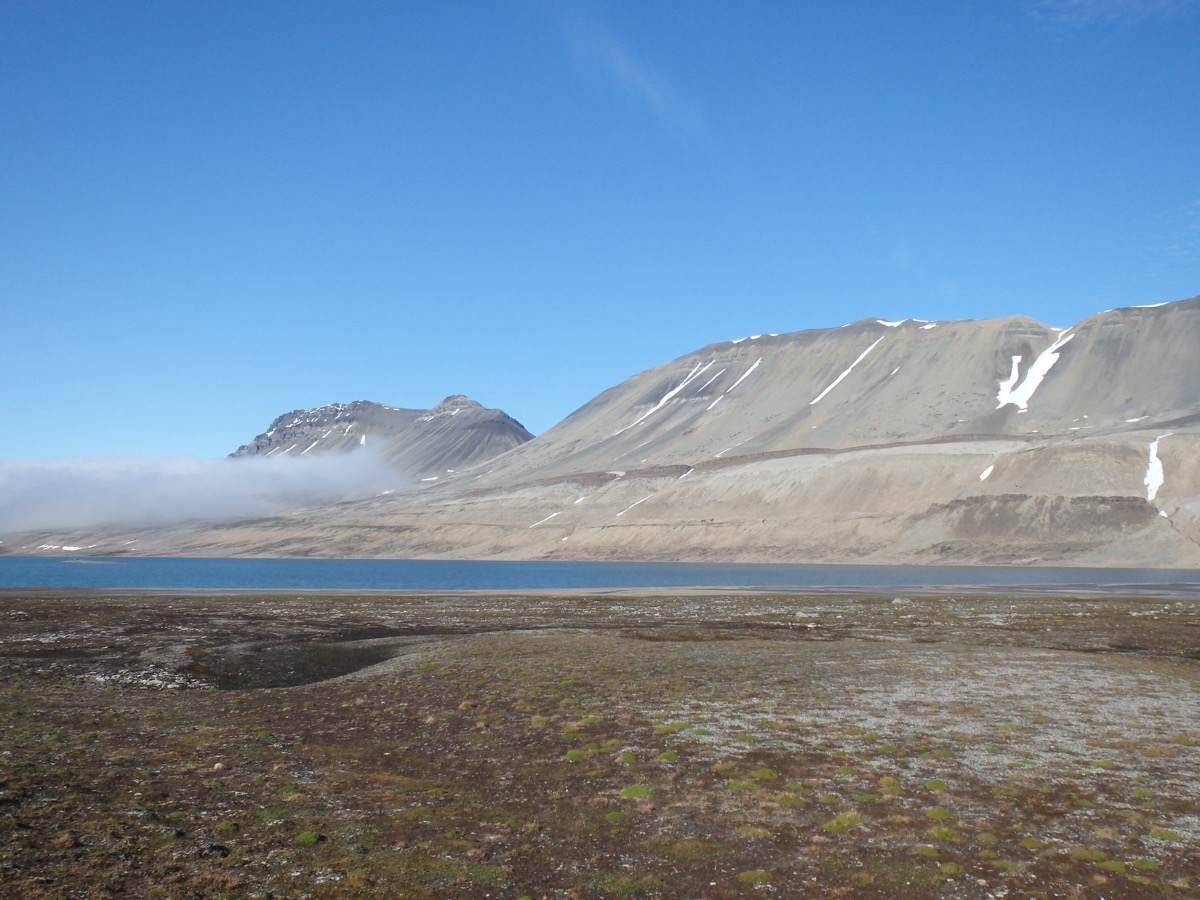
- Rapid sedimentation rates sequester organic carbon from bio-/atmosphere (re)cycling. Sobek+ 2009, Yan+ 2026
- Probable (minor) methane source to atmosphere during Last Termination. Brosius+ 2024
- Lacustrine carbon source/sink systematics are complicated, in general. Grasset+ 2025
How long do (deglacial) proglacial sediments sequester carbon?
How does carbon move through proglacial lacustrine systems over time?
Is there a representative system for a case study?
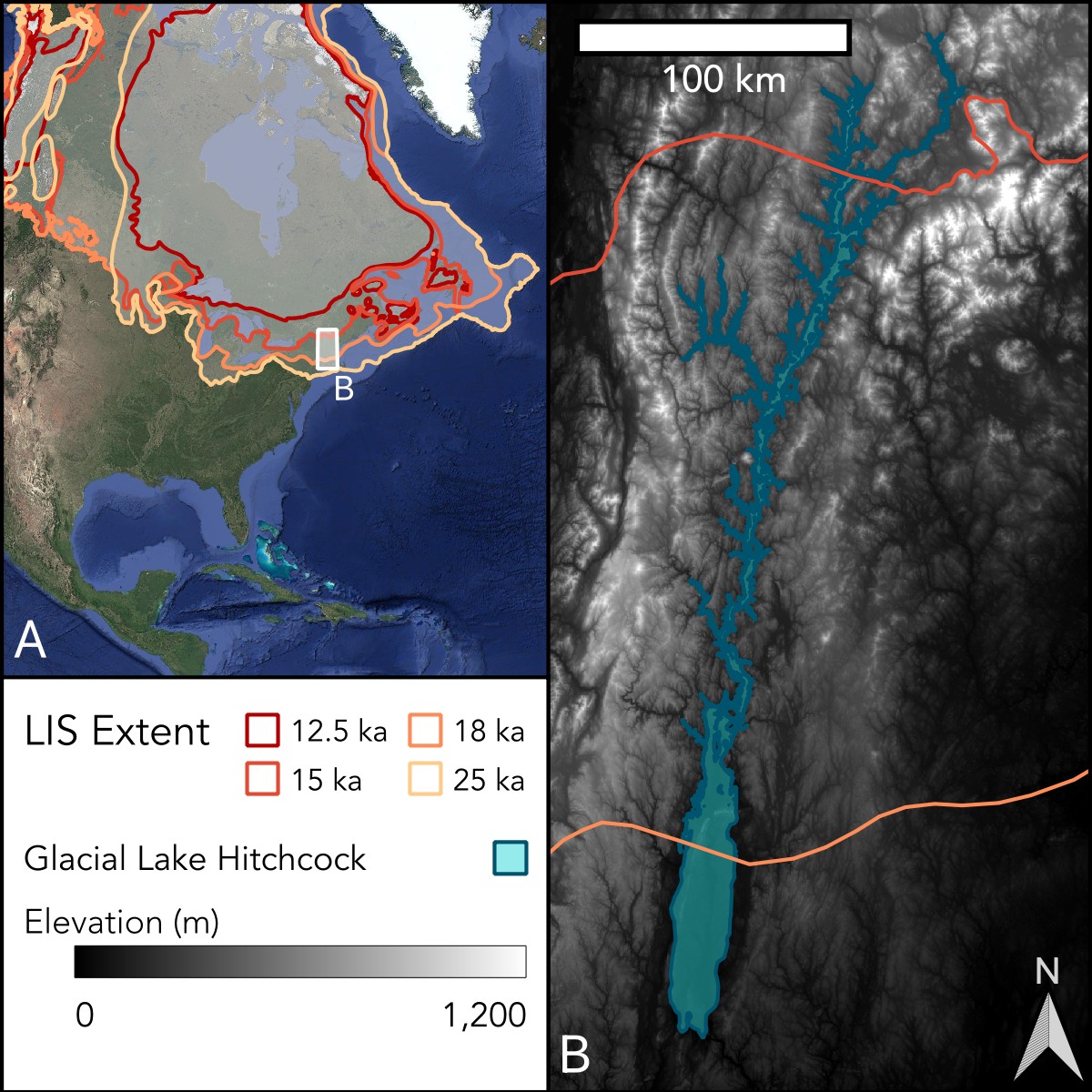
Connecticut River Valley
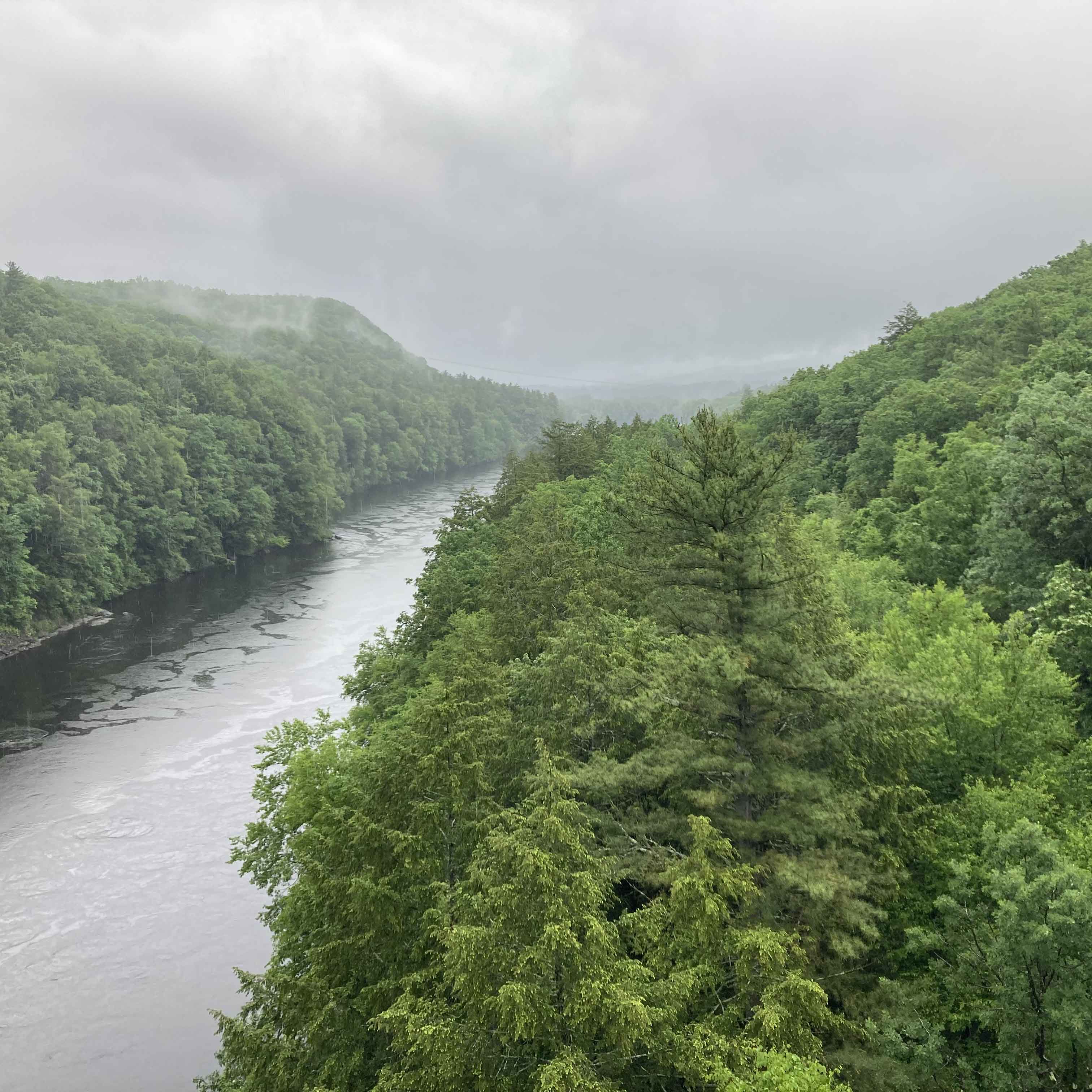
G.H. Edwards
North American Varve Chronology
- Precisely calibrated varve chronology of GLH, spanning 18.2–12.5 ka.
- Well-established Laurentide Ice Sheet retreat and GLH residence Antevs 1922, Stone+2025

Carbonate concretions
Non-displacive, formed through oxidation of local org-C Wu+ 2021
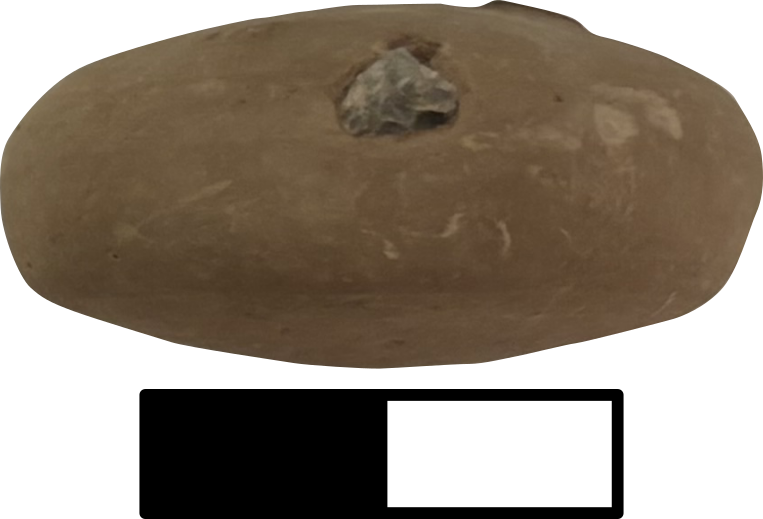
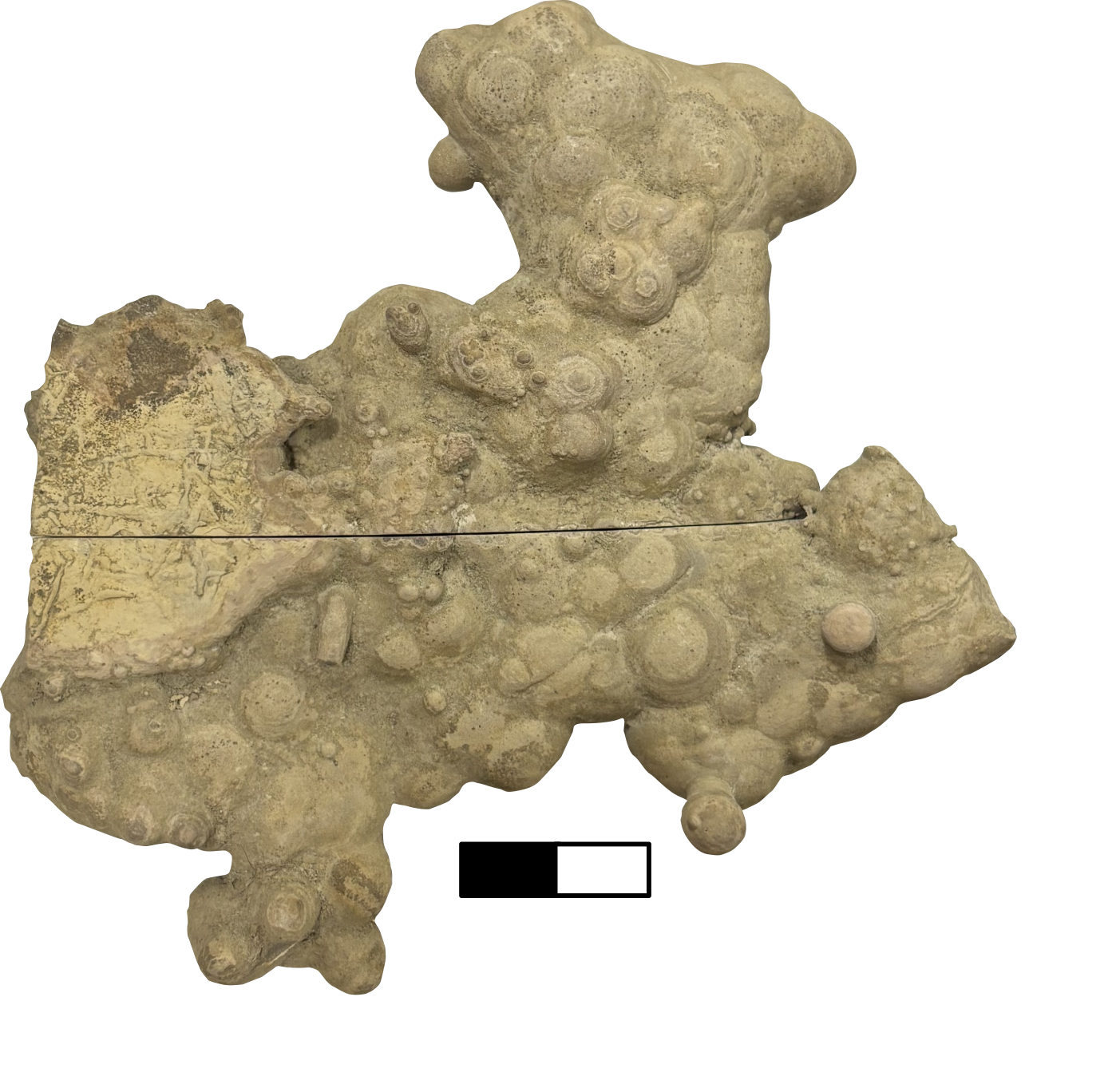
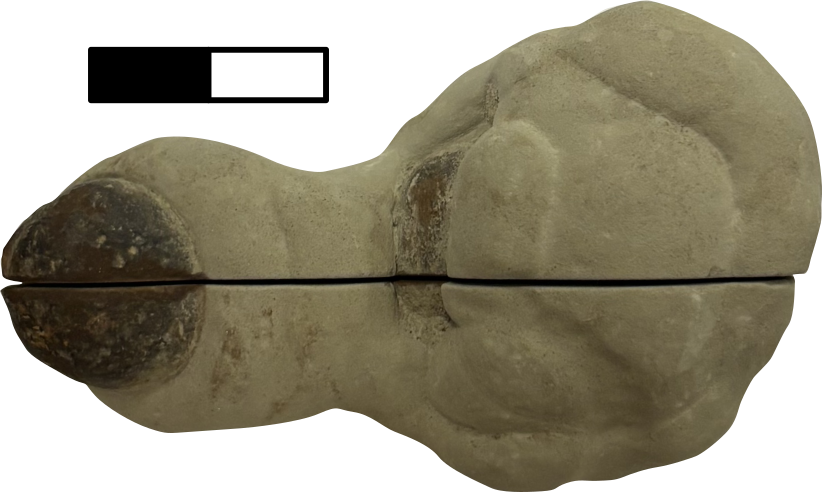
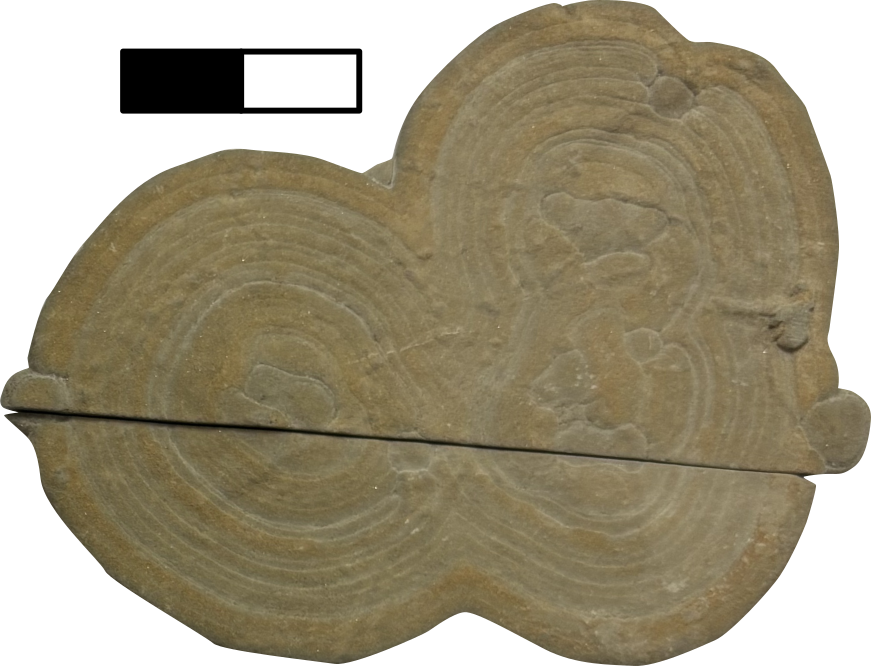
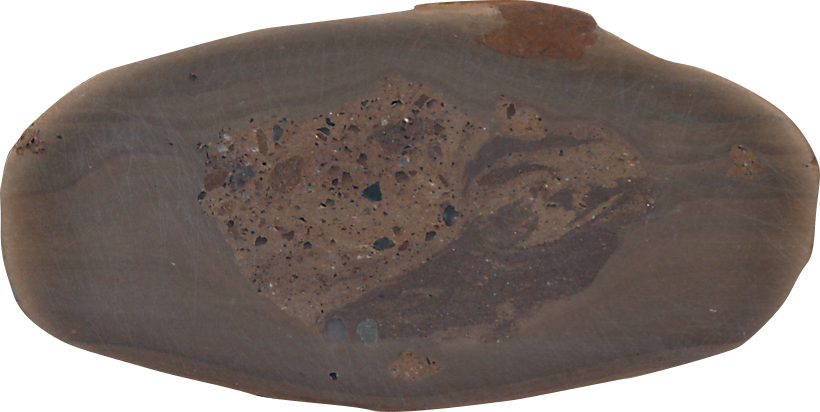
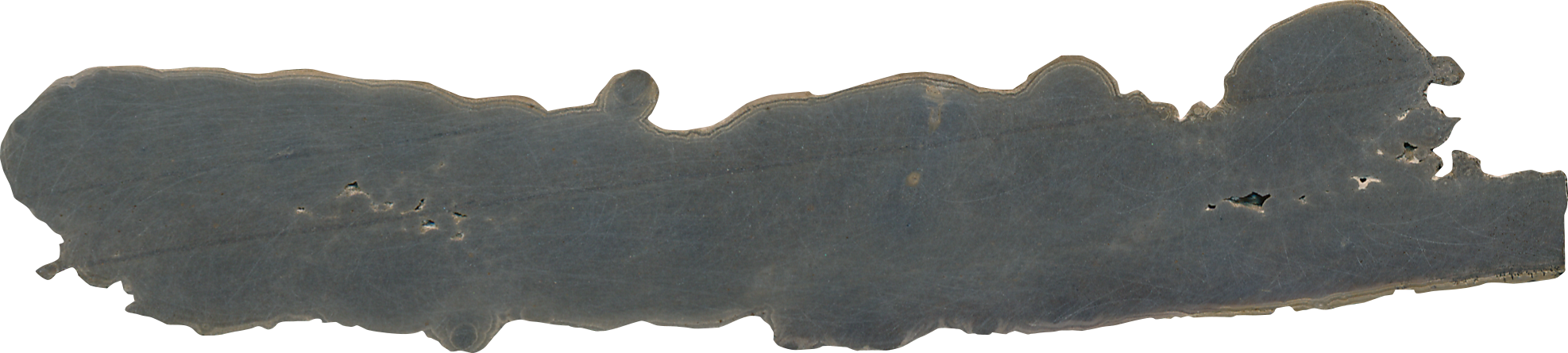
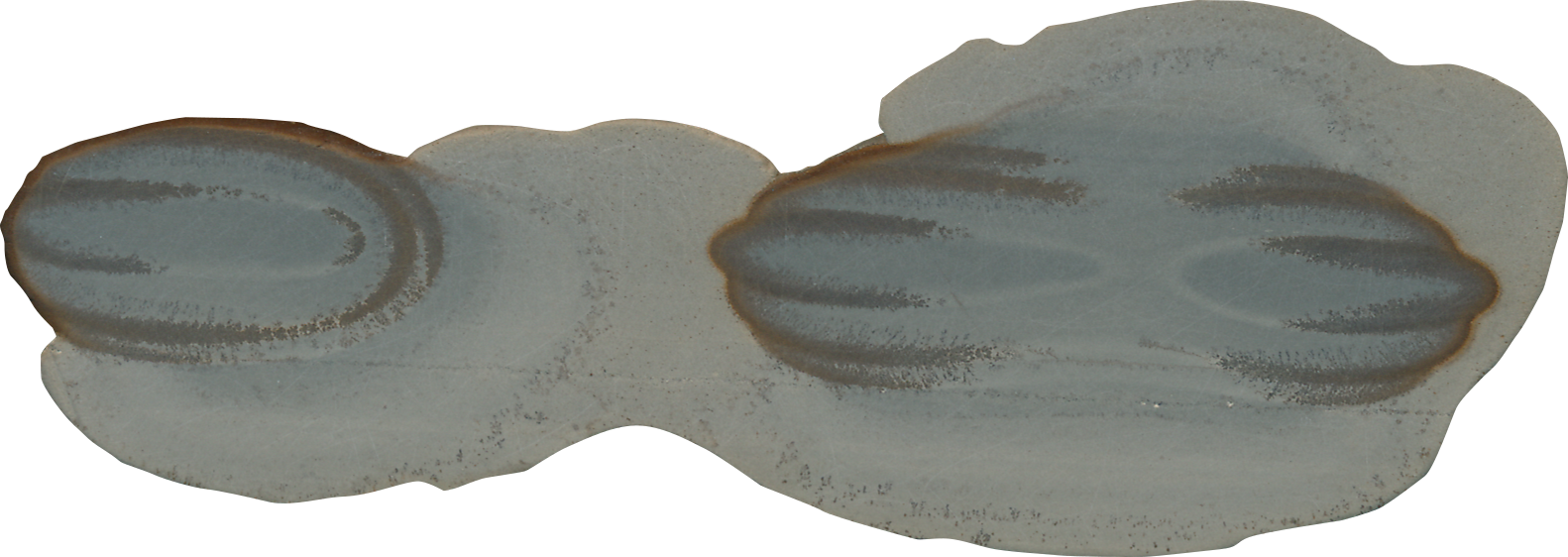

Carbonate concretions
Non-displacive, formed through oxidation of local org-C Wu+ 2021
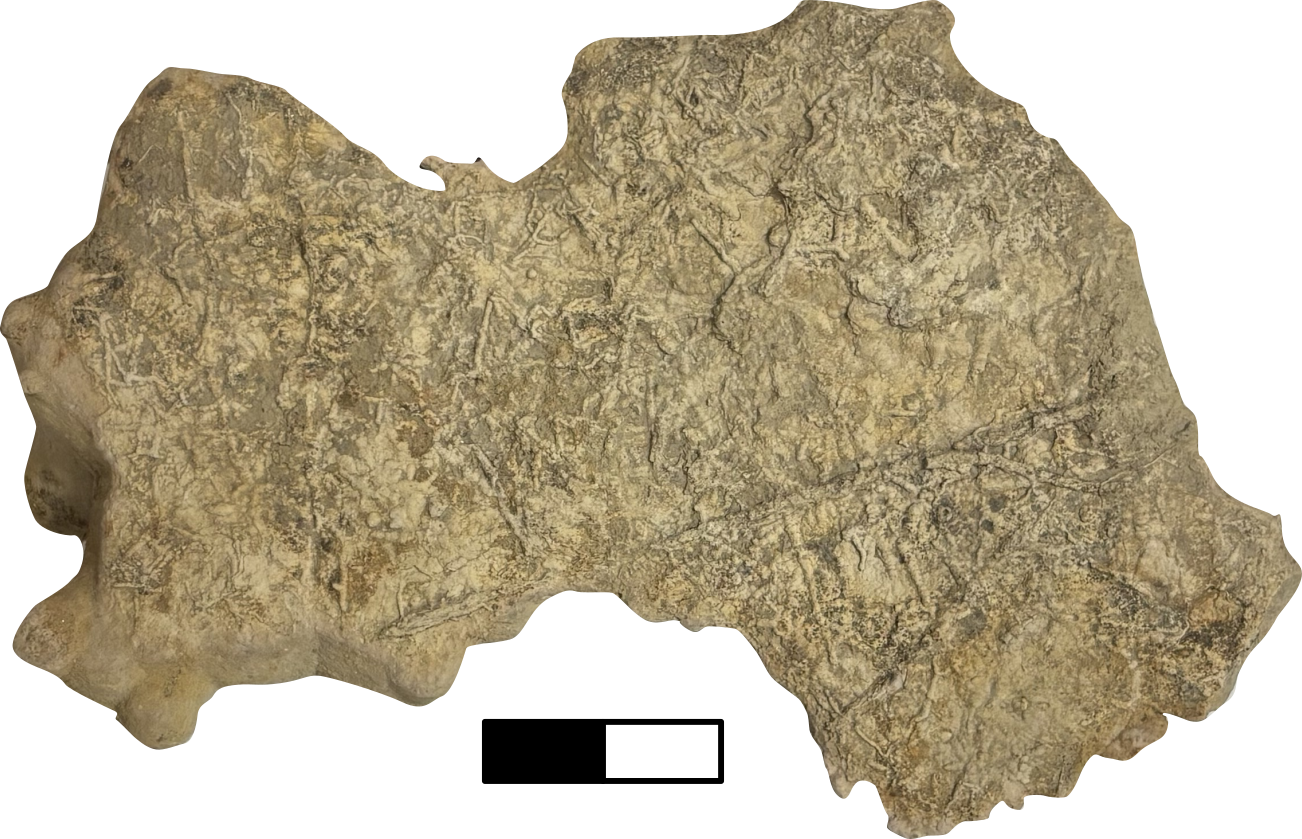
Fossil leaf casts indicate C source
Carbonate concretions
Widespread, associated with proglacial ice sheet environments
| Region | Lat | Lon | Ice sheet | Reference |
|---|---|---|---|---|
| E Canada | 67°N | 135°W | Laurentide | Dionne 1972 |
| NW Norway | 66°N | 14°E | Eurasian | Theakstone 1981 |
| SE Finland | 61°N | 28°E | Eurasian | Parrot 1840 |
| Baltic Sea | 58°N | 23°E | Eurasian | Kiipli+ 1995 |
| Scotland | 56°N | 3°W | Eurasian | Duck 1990 |
| Ireland | 54°N | 7°W | Eurasian | Knight 1998 |
| CT Riv Vly | 43°N | 72°W | Laurentide | Tarr 1935 |
| Patagonia | 47°S | 71°W | Patagonian | Rabassa 2006 |
Isotopic tracers of carbon and water
Isotopic tracers of carbon and water

Isotopic tracers of carbon and water
Approach & Methods
- Coupled radioisotopic systems:
- Uranium-series (geochronology)
- Radiogenic strontium
- Coupled carbonate stable isotopes:
- Carbon
- Oxygen
- Radiocarbon from Levy 1998
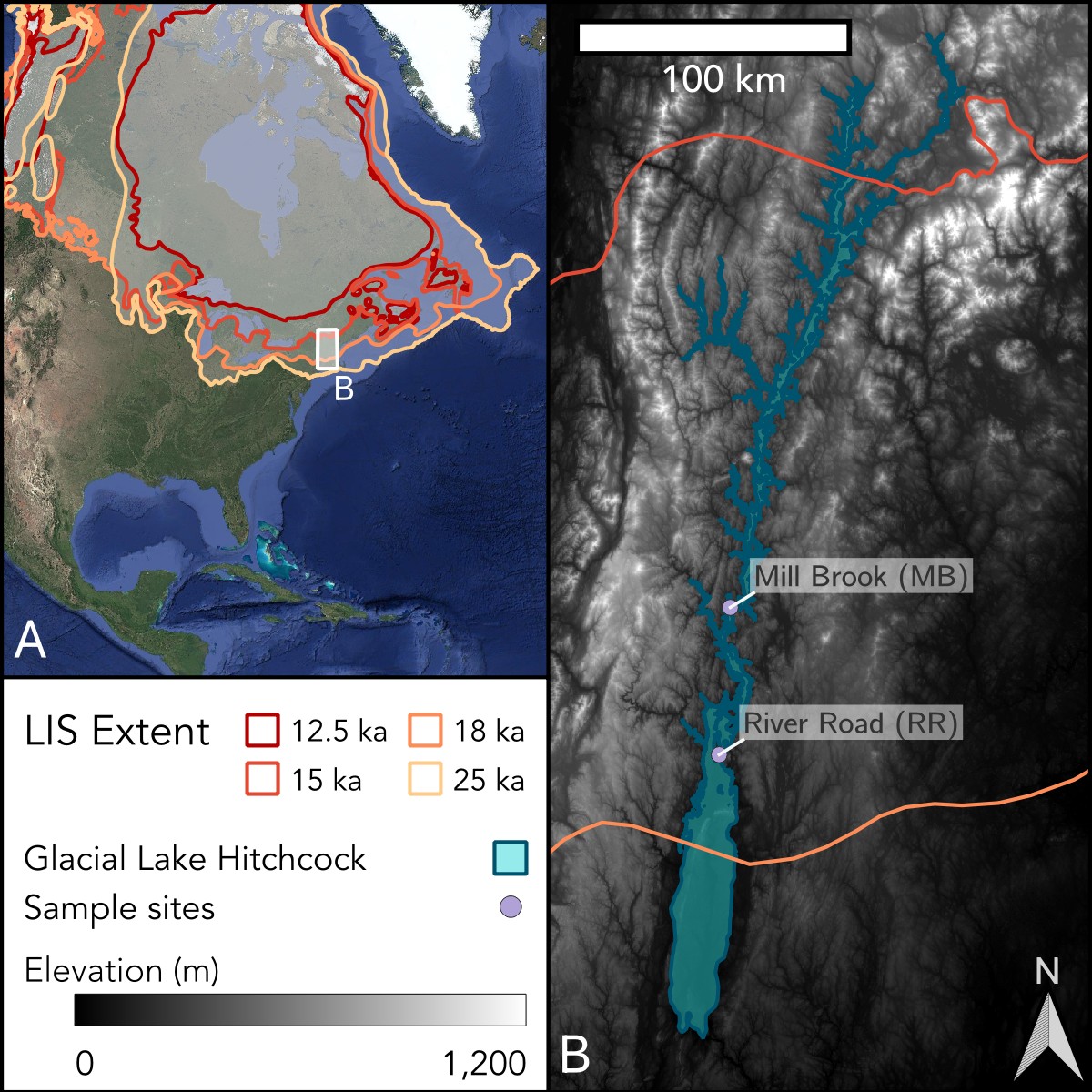
Two sites from the former GLH basin

Uranium-series geochronology
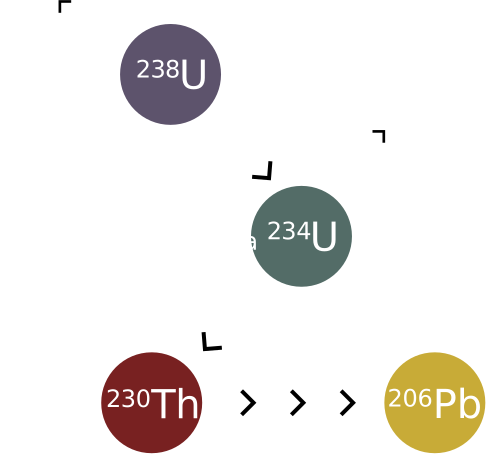
| Element | Solubility | Distribution |
|---|---|---|
| U | High | Incorporated into carbonate |
| Th | Low | Adsorbs to sediment surfaces |

Uranium-series geochronology
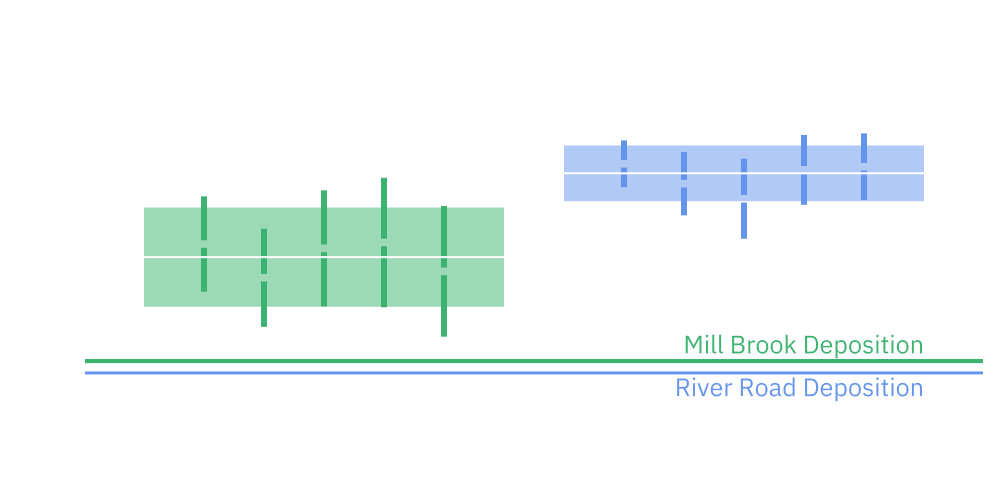
Mill Brook (n=3)

Uranium-series geochronology
River Road (n=2)
Detrital Th correction

$\left( \frac{^{230}\text{Th}}{^{232}\text{Th}} \right)_d = 0.898 ± 0.256 \qquad \chi^2_\nu=1.43$
$\left( \frac{^{230}\text{Th}}{^{232}\text{Th}} \right)_d = 1.005 ± 0.047 \qquad \chi^2_\nu= 0.46 $
Detrital Th-corrected U-Th ages
Initial (234U/238U) and 87Sr/86Sr
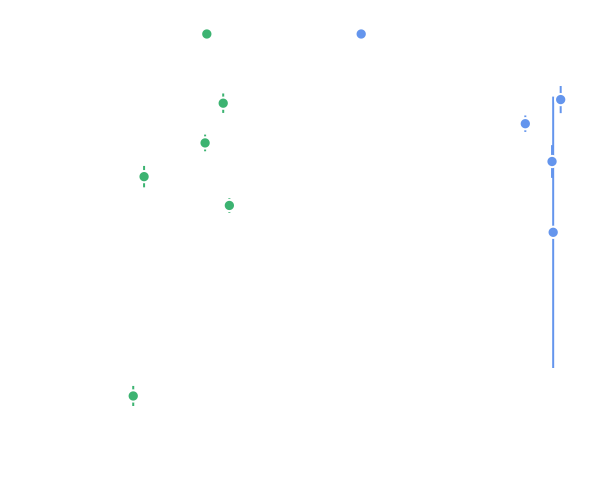
U and Sr record rock-water interaction
- (234U/238U) ≫ 1 reflects deeply sourced subglacial groundwaters.
- Shallow short-lived groundwater pathways
- Chemical weathering of fine sediments
- U-Sr records mixtures of groundwater sources along groundwater pathways.
- No clear mixing: locally sourced Sr
Stable isotopes
Stable isotopes
Stable isotopes
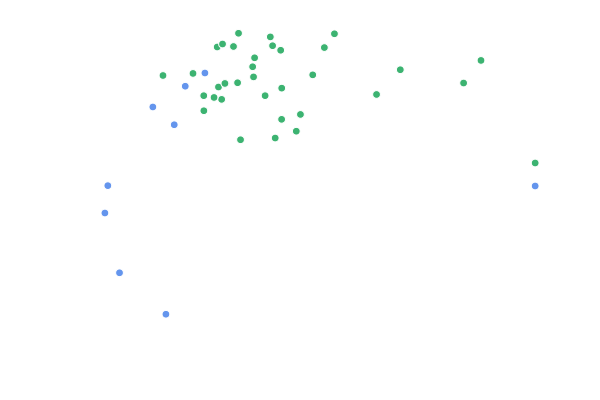
Carbon isotopes
Consistent with heterogenous organic carbon sources, fractionated by microbially-mediated oxidation.
Wu+ 2021Stable isotopes
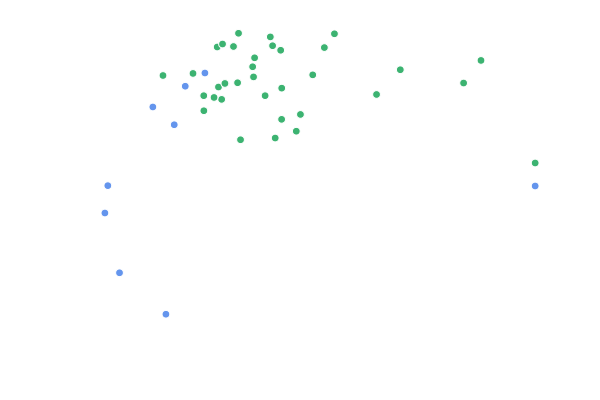
↓T → ↓ δ18O
Stable isotopes
Oxygen isotopes
Carbonate
- Modern precipitation: −10 ≤ δ18O ≤ -7 ‰ Terzer-Wassmuth+2021
- Mid-Holocene precipitation?
Stable isotopes
Oxygen isotopes
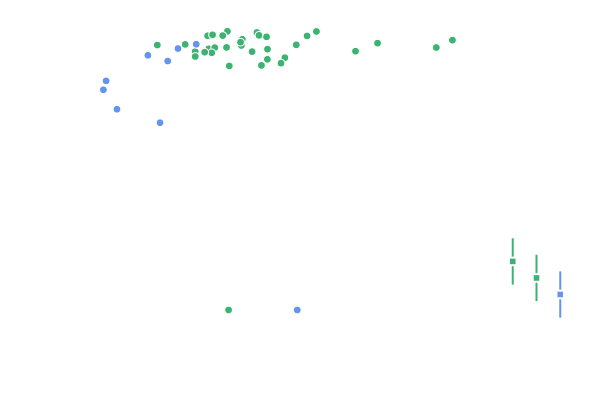
Clay
- Clay formation in (sub)glacial waters
- δ18O ≤ −19 ‰ for T = 0°C
- Basal LIS δ18O composition?
- Barnes Ice Cap basal ice: δ18O≈−25 ‰
- Fossil groundwaters: −25 ≤ δ18O ≤ −12 ‰
A reprise of carbon sources: radiocarbon
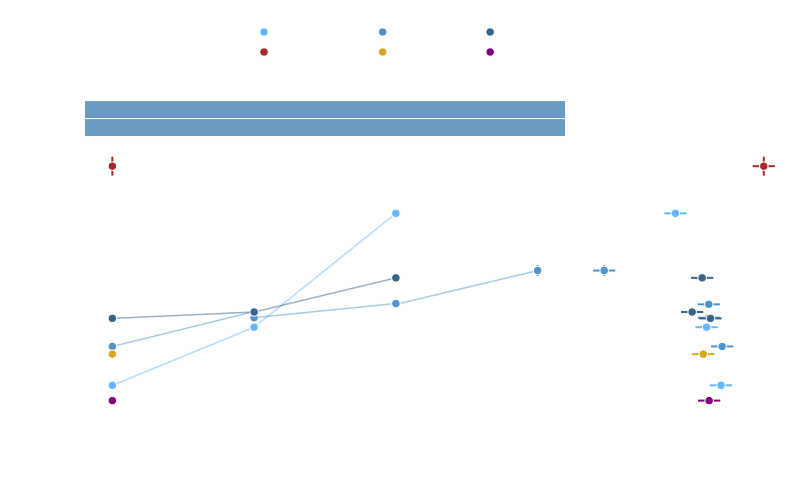
Where did the (oxidized) organic matter come from?
Radiocarbon
Levy 1998
Radiocarbon
Levy 1998
- Younging 14C signature during growth
- Mixture of pre-, syn-(?), and post-lake C
| Timeframe | Carbon source |
|---|---|
| Pre-GLH | Subglacially derived organic C |
| Syn-GLH | Littoral and lacustrine |
| Post-GLH | Holocene groundwater DIC |
Conclusions
Transient proglacial lakes may provide millenial-scale storage of carbon from sub- and periglacial sources
- Buried organic carbon oxidizes, remobilizes after lake drainage.
- Lowered local water tables… or not? Levy 1998, Wu+ 2021
Future work
- Quantify carbon sources and degree of remobilization
- How does this scale across the GLH basin?
Questions?
More questions: gedward1@trinity.edu
Acknowledgements:
Jack Ridge, Al Werner, Laura Levy, E.R. Garrett, L. Moreton, S. Shipman, and assorted (Northeast) Friends of the Pleistocene.
Appendix Figures: more GLH sites