A meteoritical perspective of
giant planet migration
Graham H. Edwards
Earth & Environmental Geosciences, Trinity University
Rice University
17 September 2026


My science spans two broad categories…
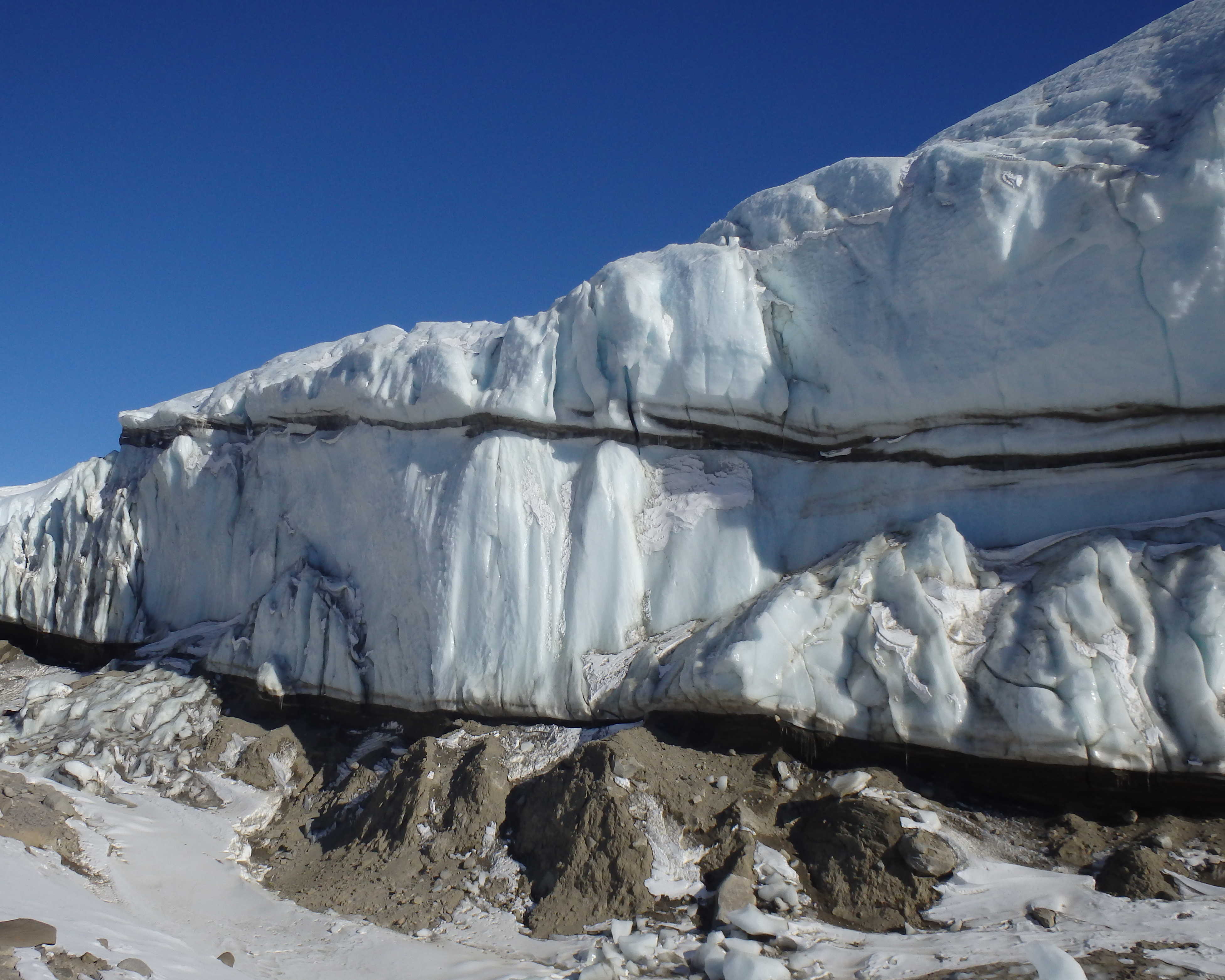
Quaternary climate
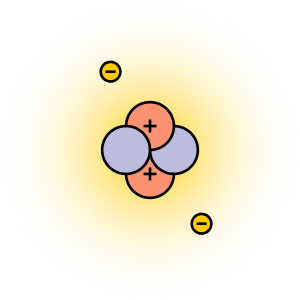
Isotope geochemistry
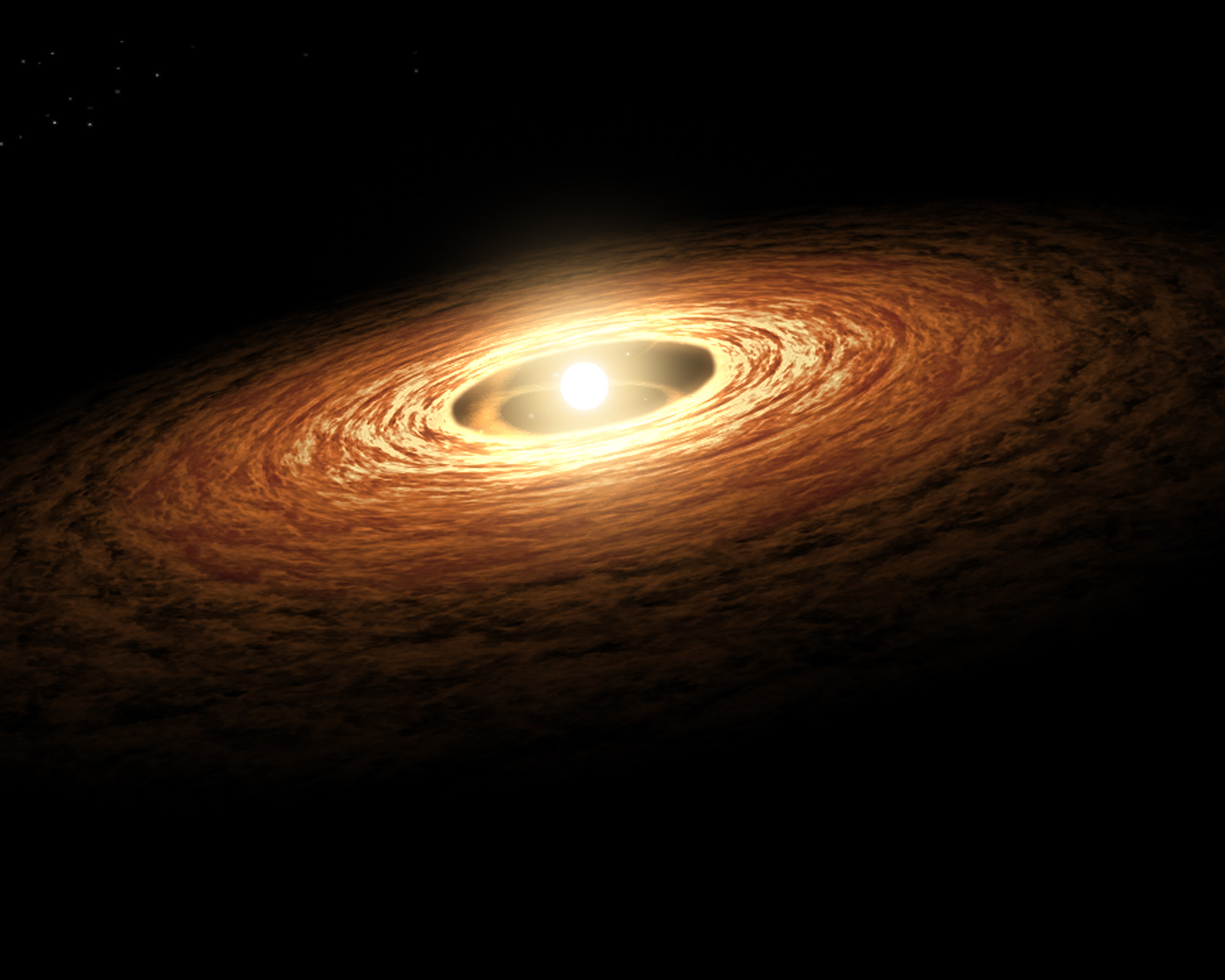
Cosmochemistry
Reconstructing early solar system processes from meteorites
Contextualizing the formation of planetary systems
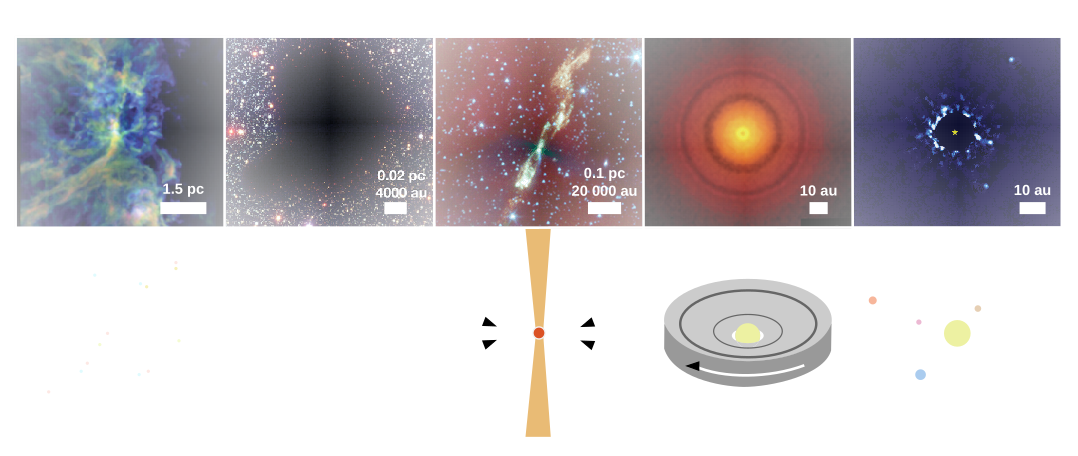
Giant planet migration
is a quotidian feature of planetary systems
Planetary migration is common in the galaxy
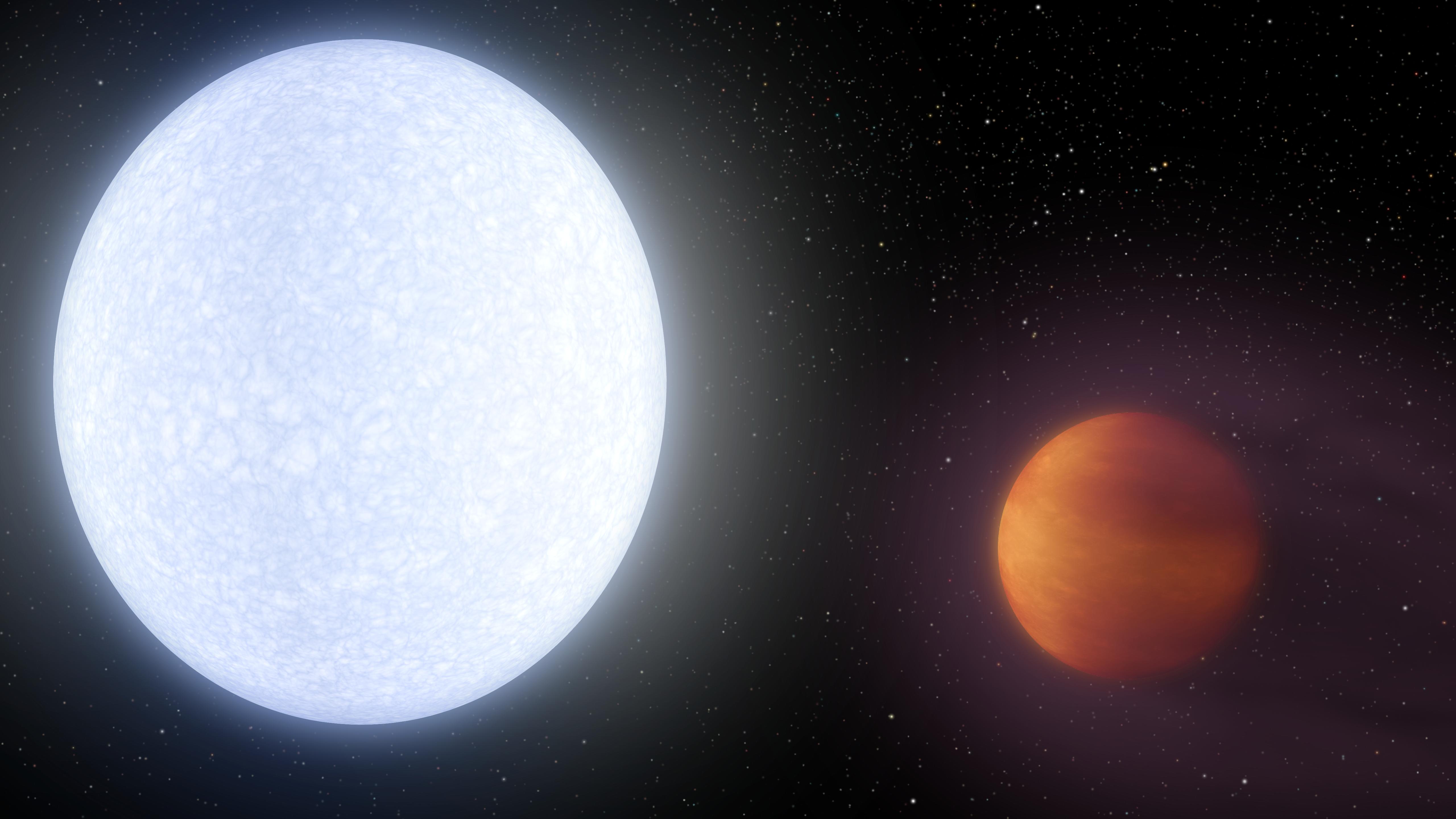
Hot Jupiters likely migrated inward from larger radii
Dawson+Johnson 2018Planetary migration is common in the galaxy
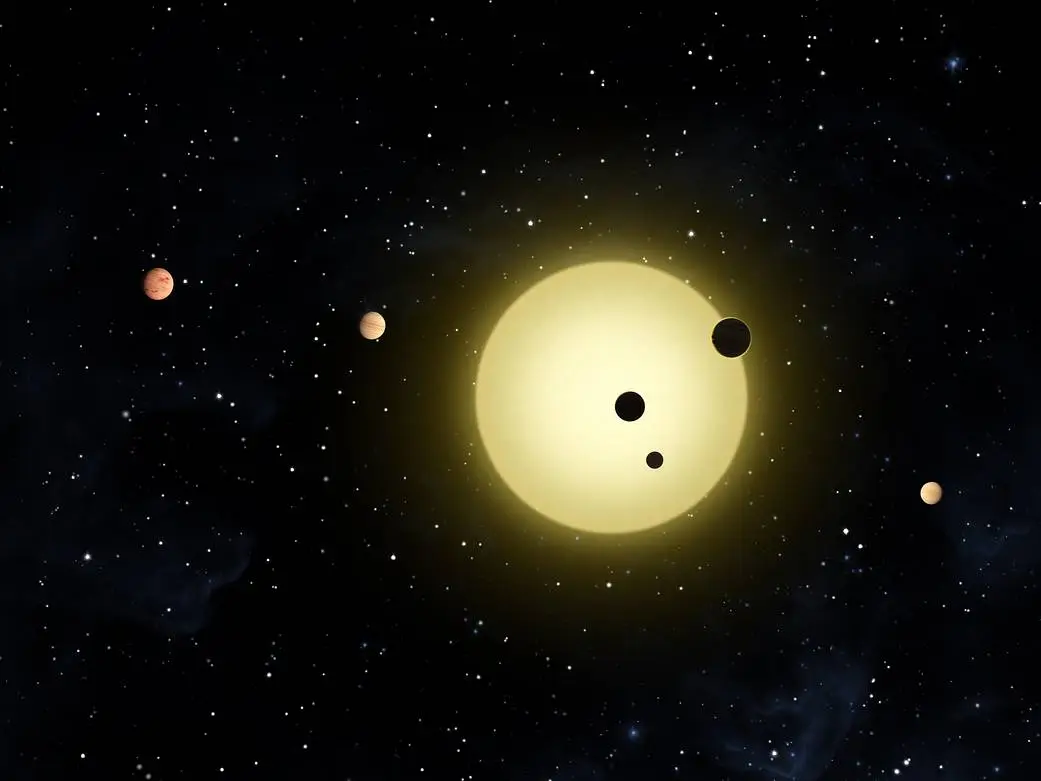
Exoplanet spacing and eccentricity distributions reflect dynamical excitation
Pu+Wu 2015, Raymond+ 2010Giant planet migration
is a quotidian feature of planetary systems
…including our solar system
Evidence of migration in the outer solar system
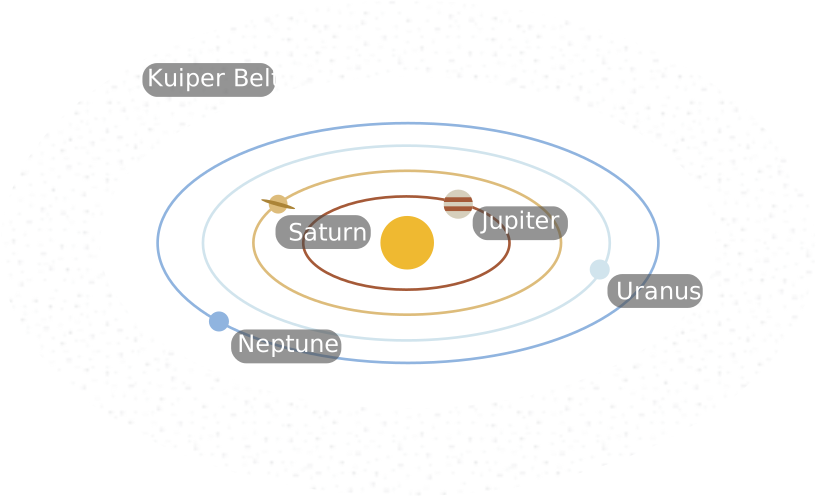
Evidence of migration in the outer solar system
Orbital eccentricities and inclinations of giant planets and Kuiper Belt objects.
Fernández+Ip 1984, Tsiganis+ 2005, Gomes+ 2003Evidence of migration in the inner solar system

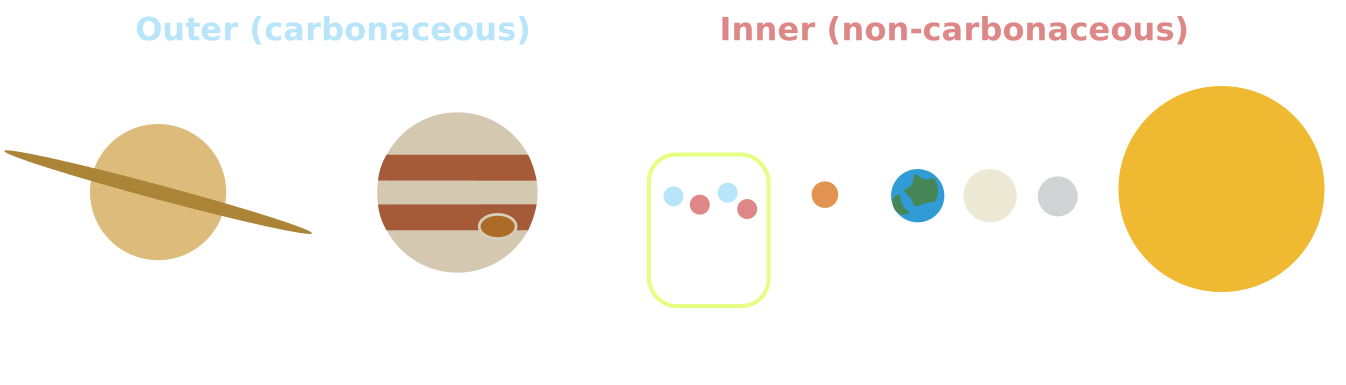
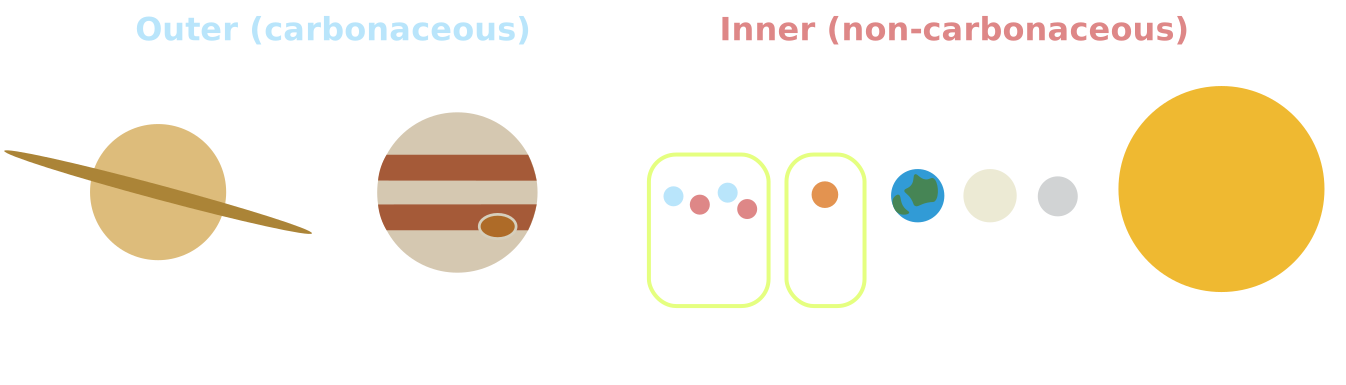
Heavy bombardment of rocky bodies
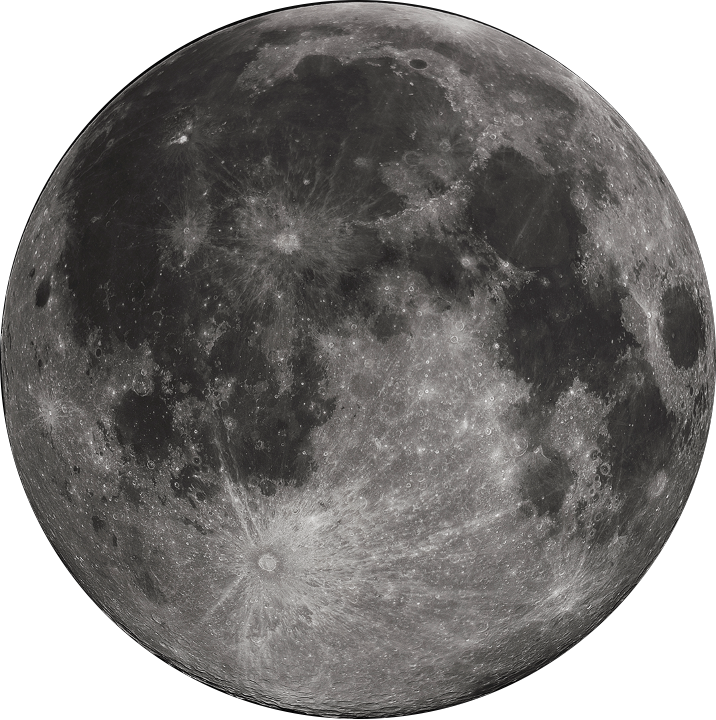
The heavily cratered terrains of the Moon and other bodies…provide clear physical evidence for an elevated flux of impactors across the Solar System that continued for several hundred million years after the initial accretion and differentiation of the terrestrial planets.
The Late Heavy Bombardment
∼3.9 Ga
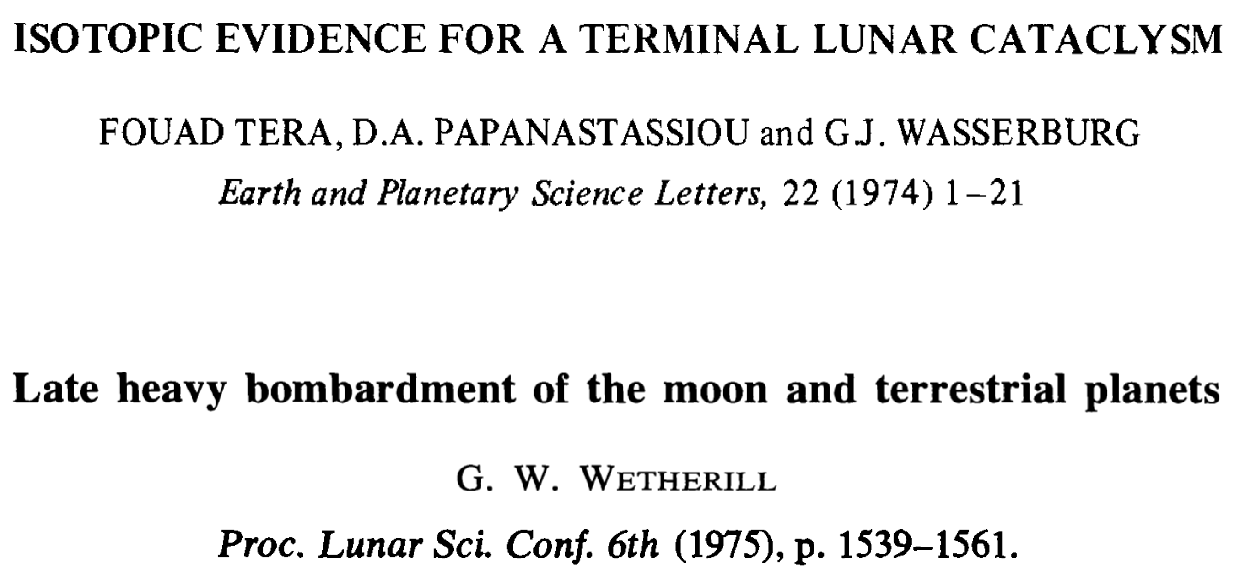

The Late Heavy Bombardment
Illusory Late Heavy Bombardments
Evidence against a Late Heavy Bombardment event on Vesta
Evidence for very early migration of the Solar System planets from the Patroclus–Menoetius binary Jupiter Trojan
Lots of evidence for giant planet migration!
But how?
Mechanisms & timing of migration
Mechanisms of giant planet migration
The classics:
- The Grand Tack
- Giant planet instability
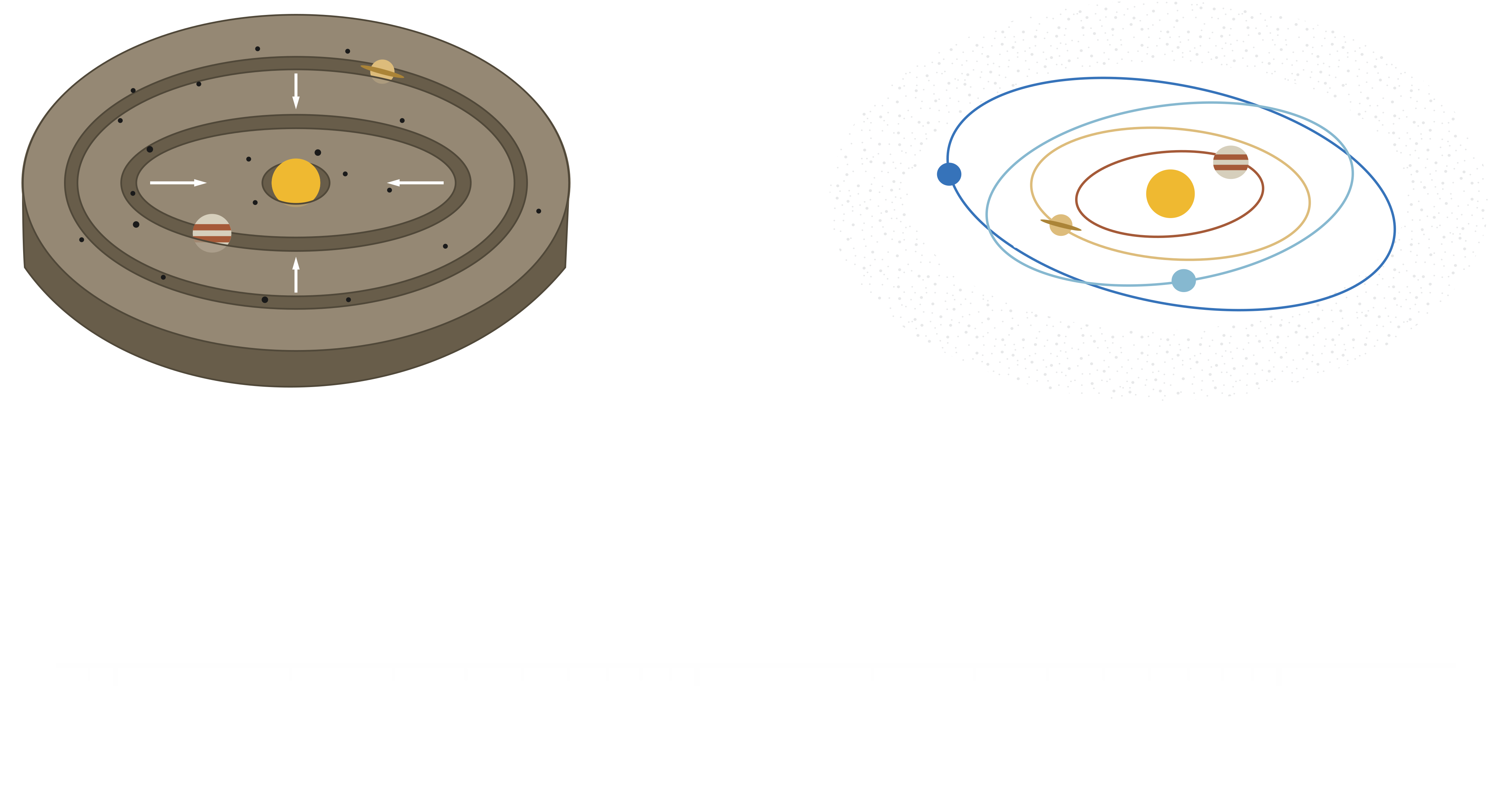
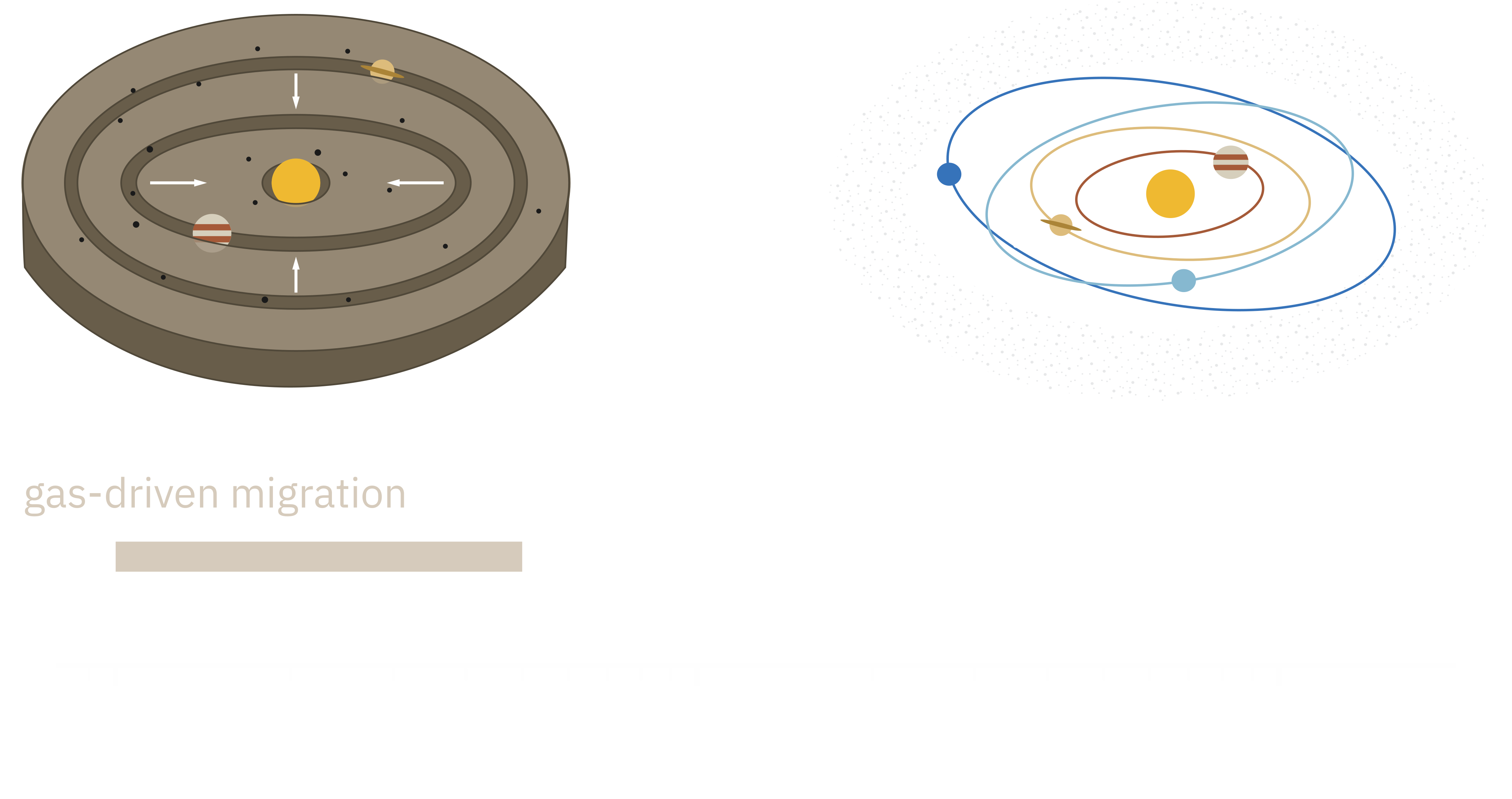
Giant planets carve gaps in gaseous protoplanetary disks and migrate inwards

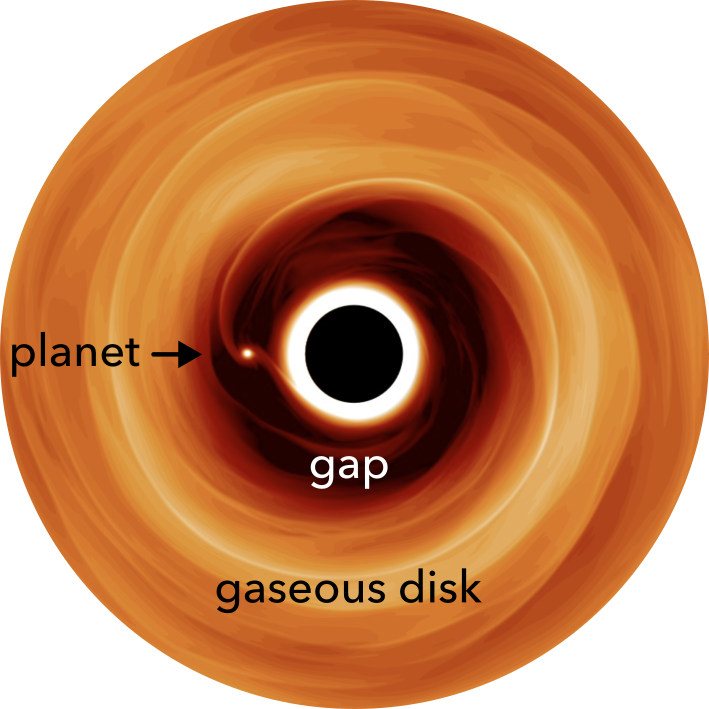
Gas disk lifetimes <10 My (3–5 My for the solar system)
Haisch+ 2001, Sung+ 2009, Williams+Cieza 2011, Borlina+ 2022The Grand Tack
The Grand Tack

Proto-Jupiter carves out a gap in the disk.

Jupiter migrates inward as Saturn becomes large enough to migrate, too.

Saturn catches Jupiter in a mean motion resonance, and they tack
outward.

Mixed inner and outer solar system material and a small Mars.
Giant planet instability
Giant planet instability
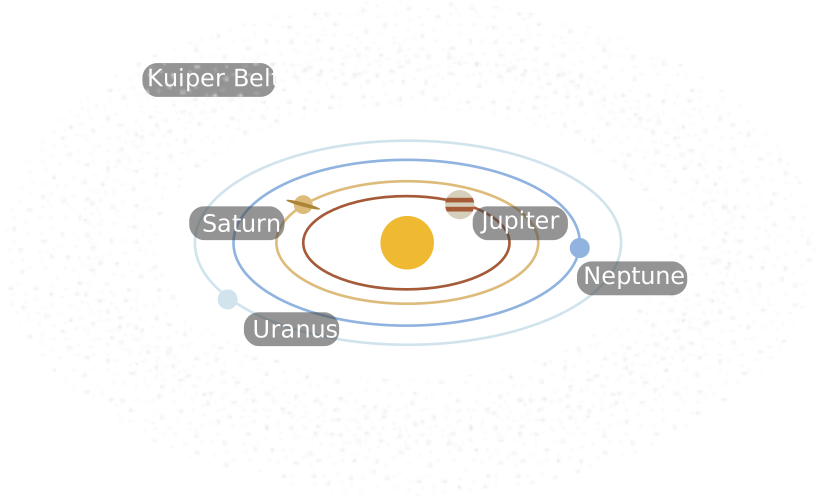
A large and compact Kuiper Belt remains after gas (disk) dissipation.
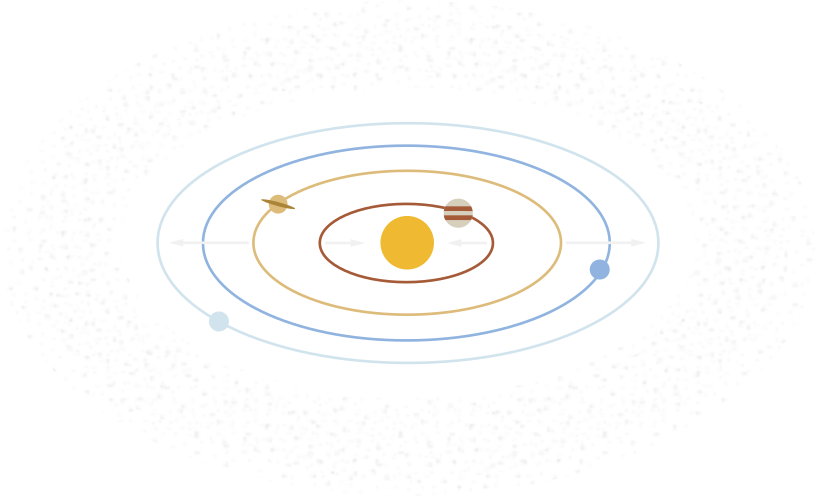
Disk-planet interactions. Jupiter and Saturn drift into 2:1 resonance.
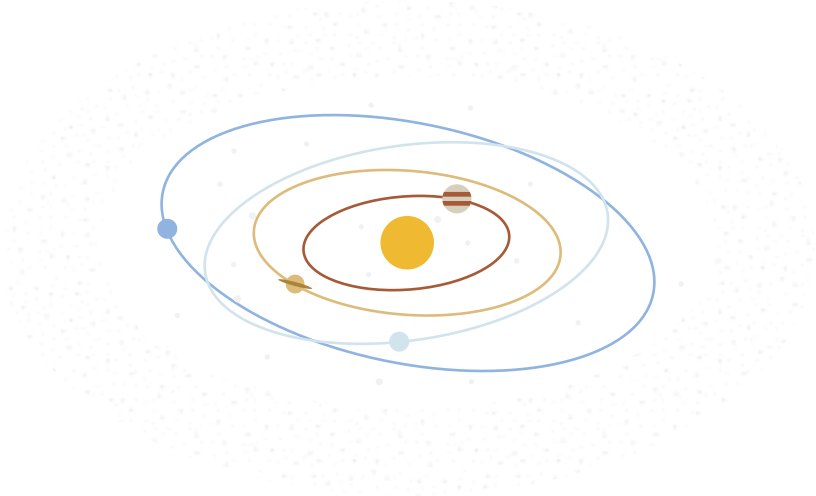
Dynamical instability!
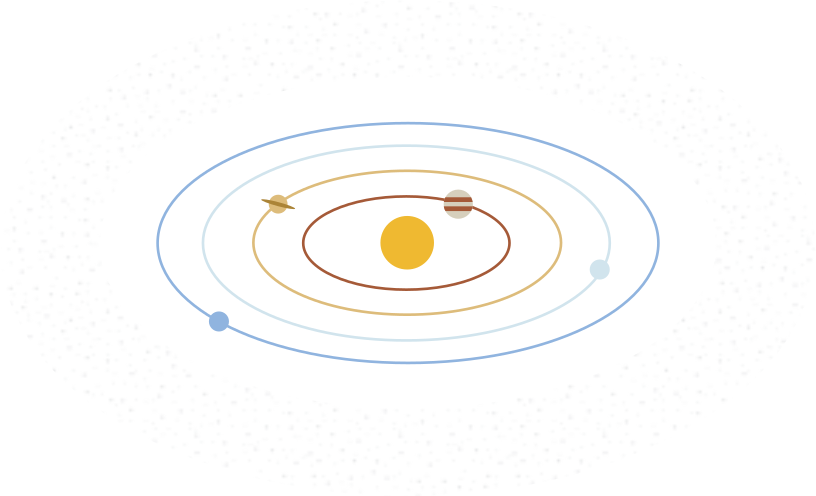
Modern architecture.
Mechanisms of giant planet migration
Variations on instability
- Gas dissipation and rebound
- Self-unstable systems
Gas dissipation & planet rebound
Gaseous disks apply inner and outer torques on embedded planets
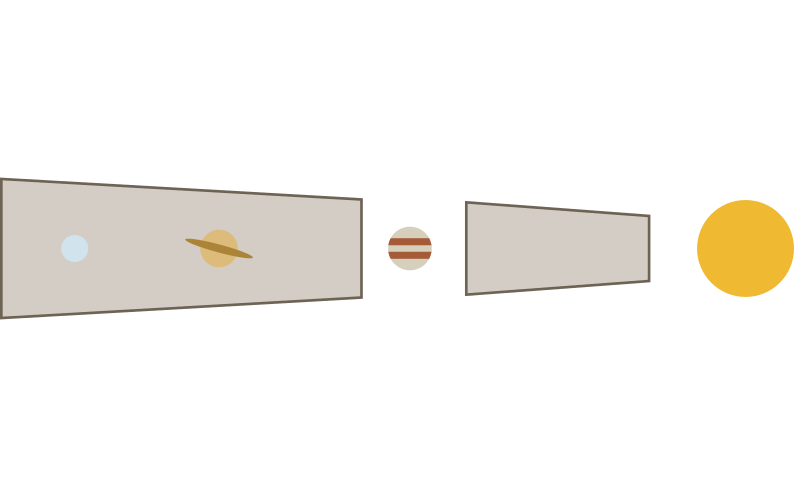
Gas dissipation & planet rebound
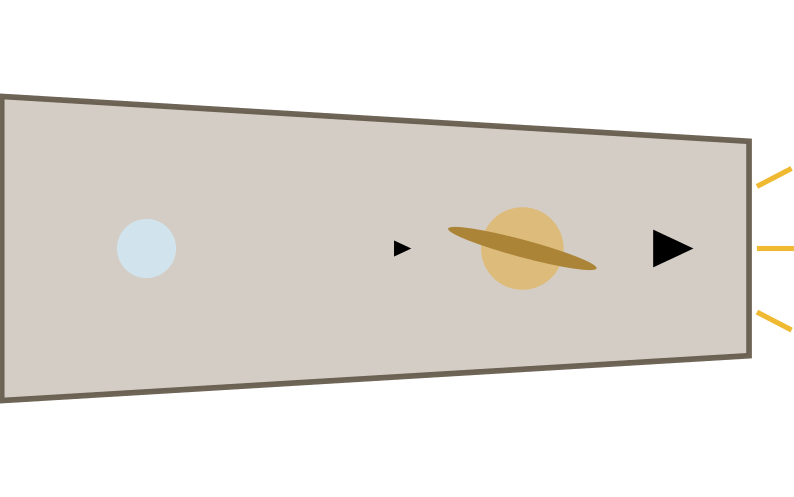
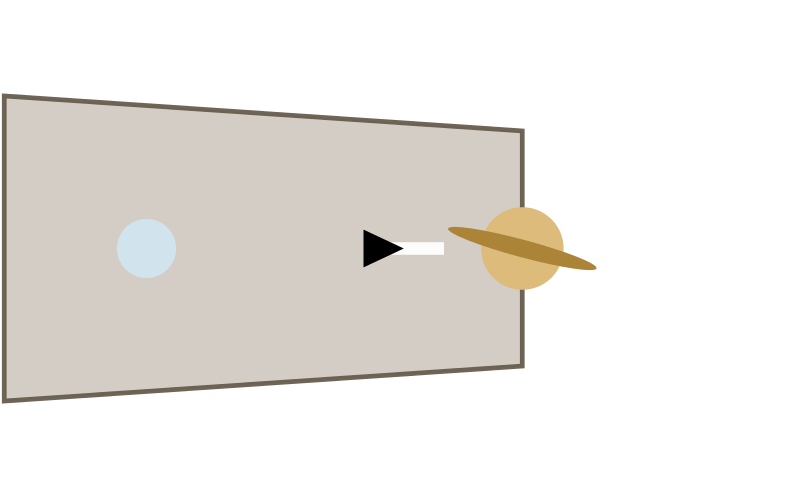
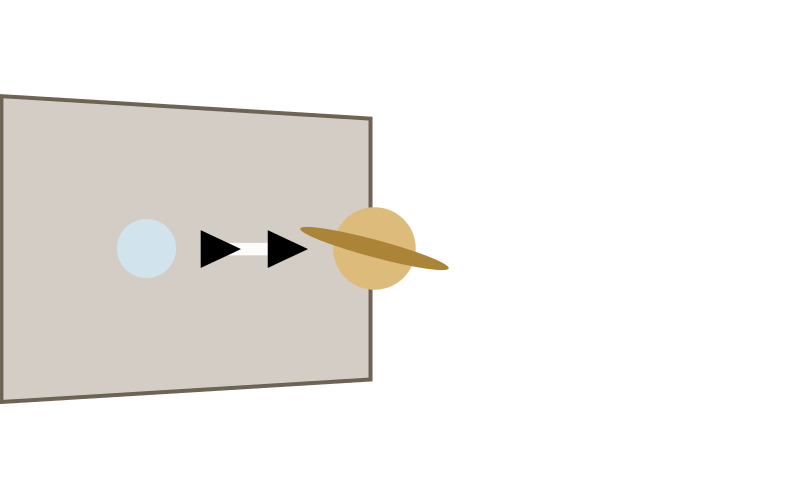
- Photoevaporation of inner disk terminus
- Saturn pulled outward by retreating gas (
rebound
) - Outward migration of Saturn compresses outer orbits, increases close encounters
Gas dissipation & planet rebound
Dynamical instability ensues
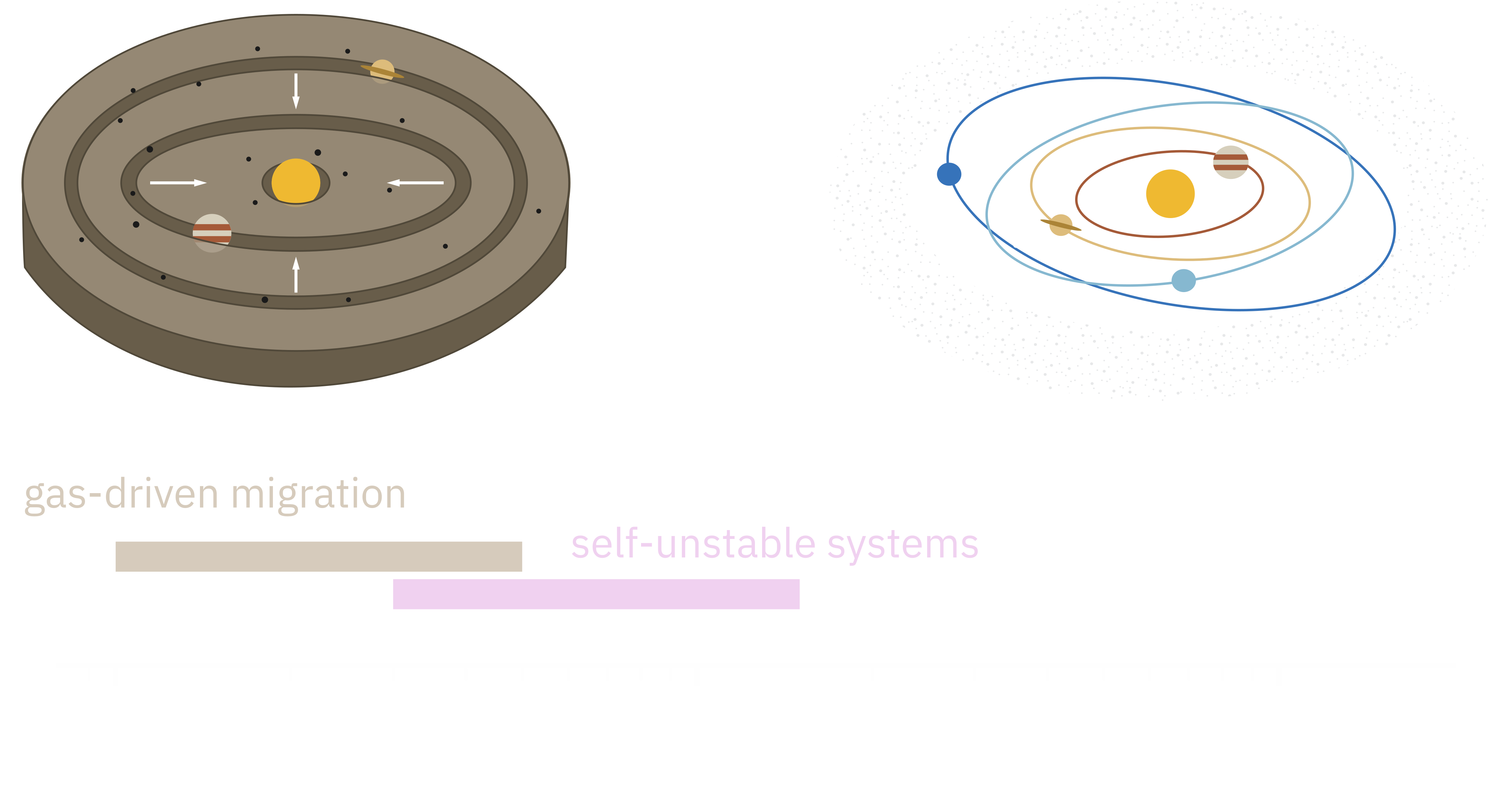
Self-unstable systems
Self-unstable systems
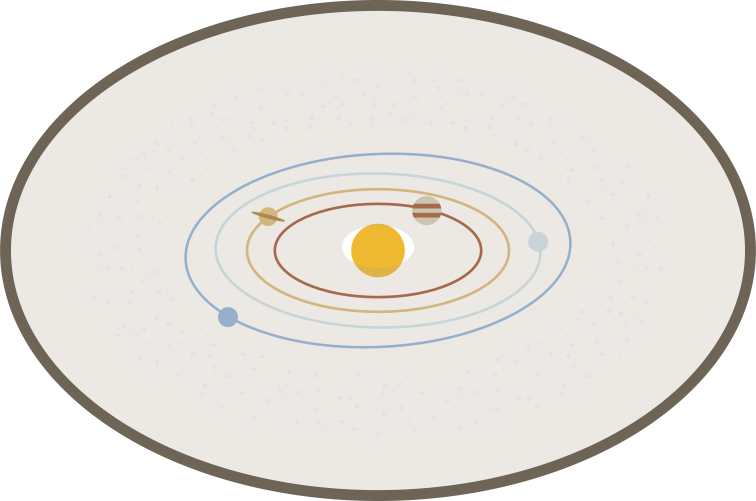
Planetary architecture forms embedded within a gaseous disk.
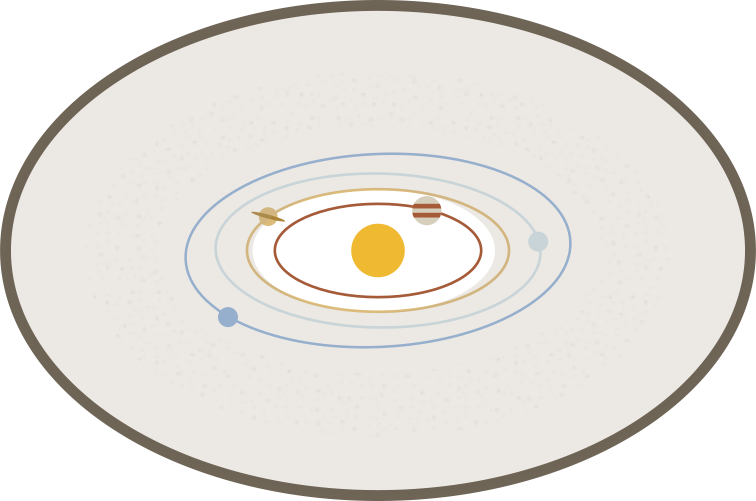
The disk dissipates…
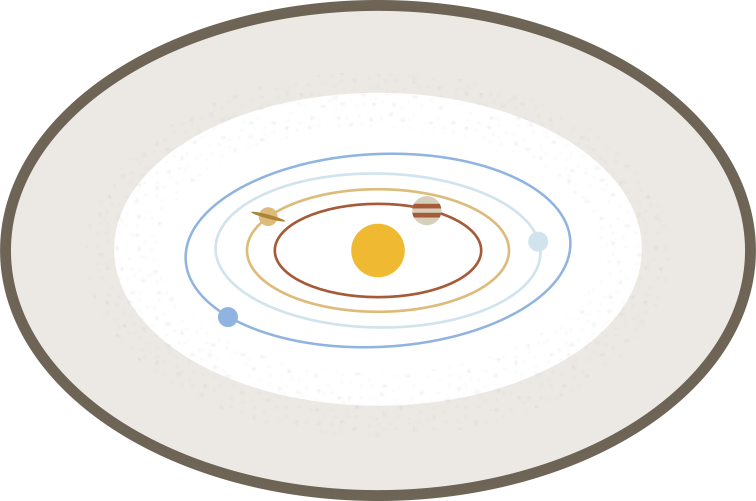
…and dissipates…
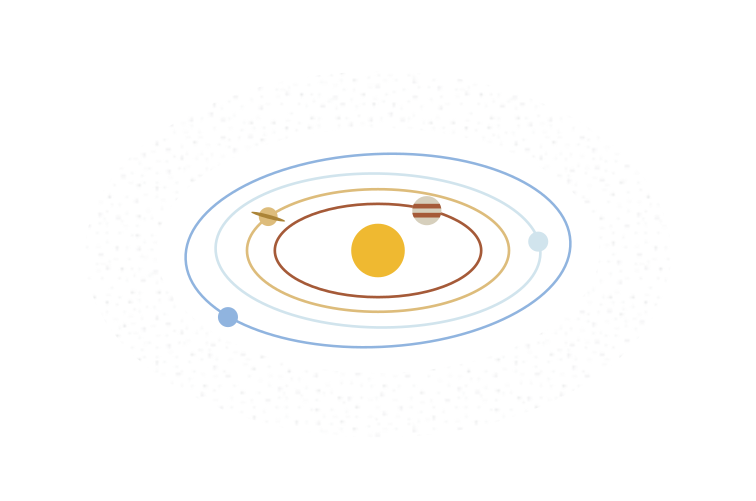
…and dissipates…
Dynamical instability!
Mechanisms & timing of migration
Solar system time-zero
Ca-Al-rich inclusions (CAIs)
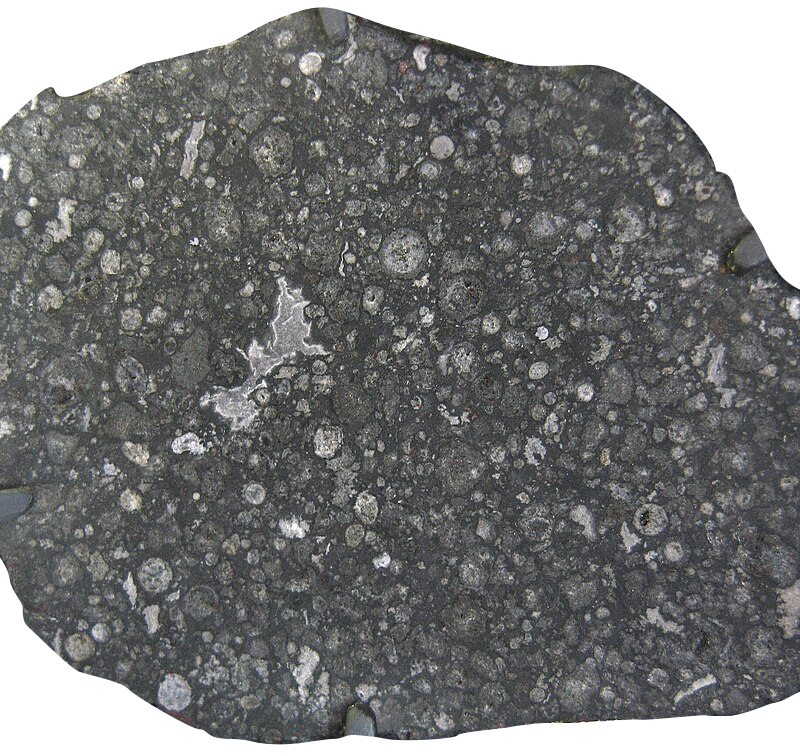
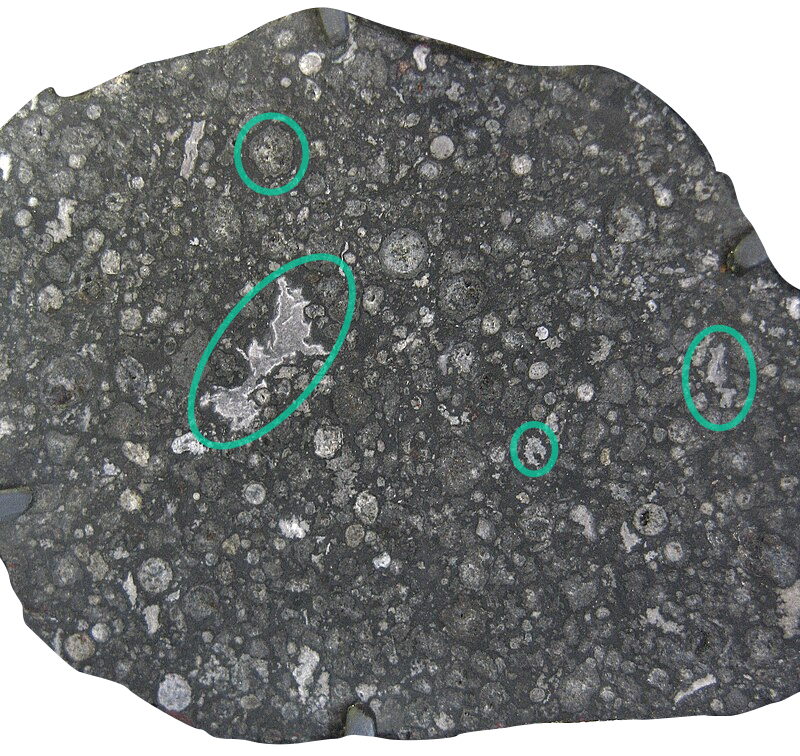
CAIs = “solar age”
0 Myss = 4567.3 Ma
When did giant planets migrate?
When did giant planets migrate?
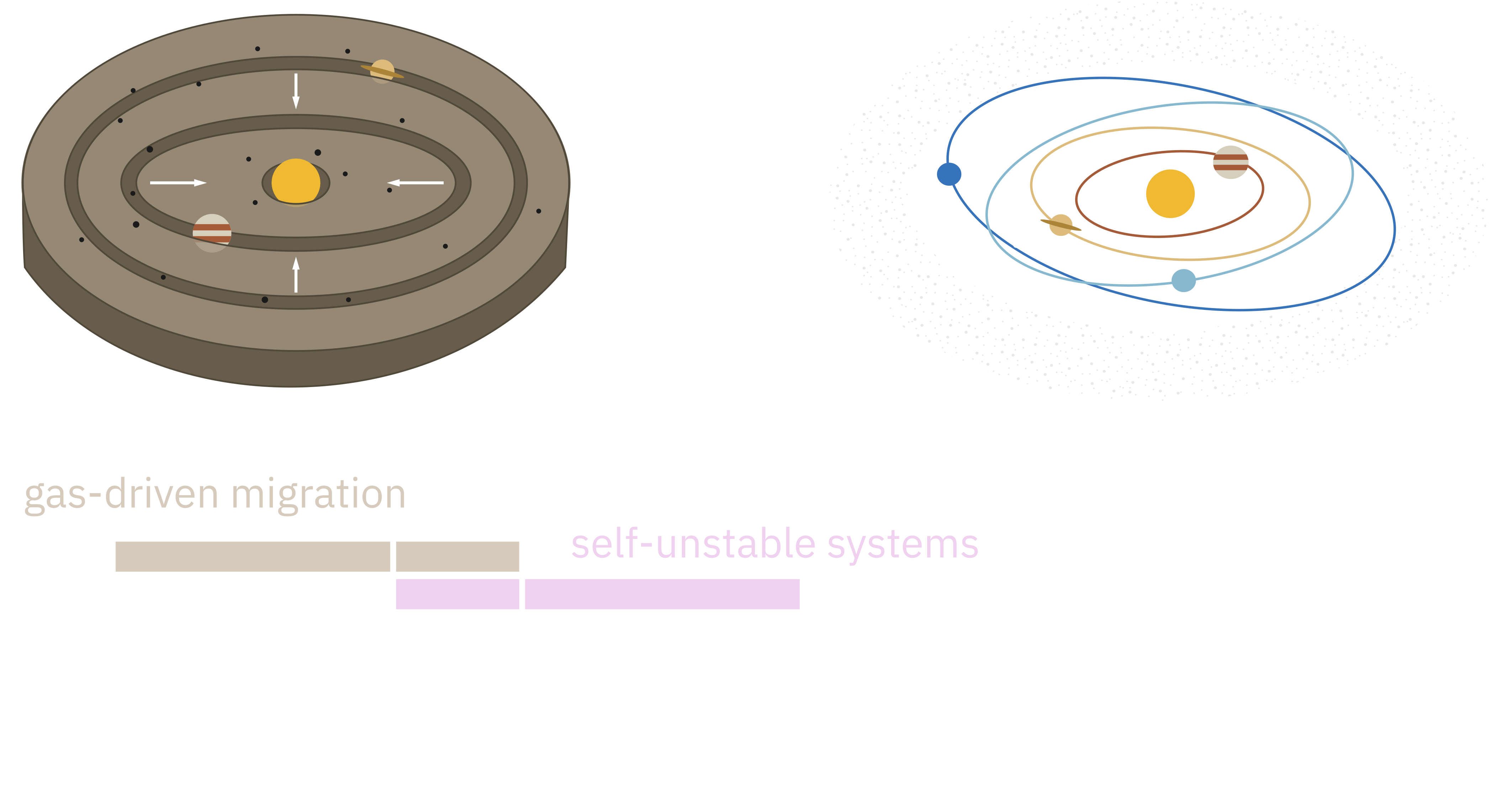
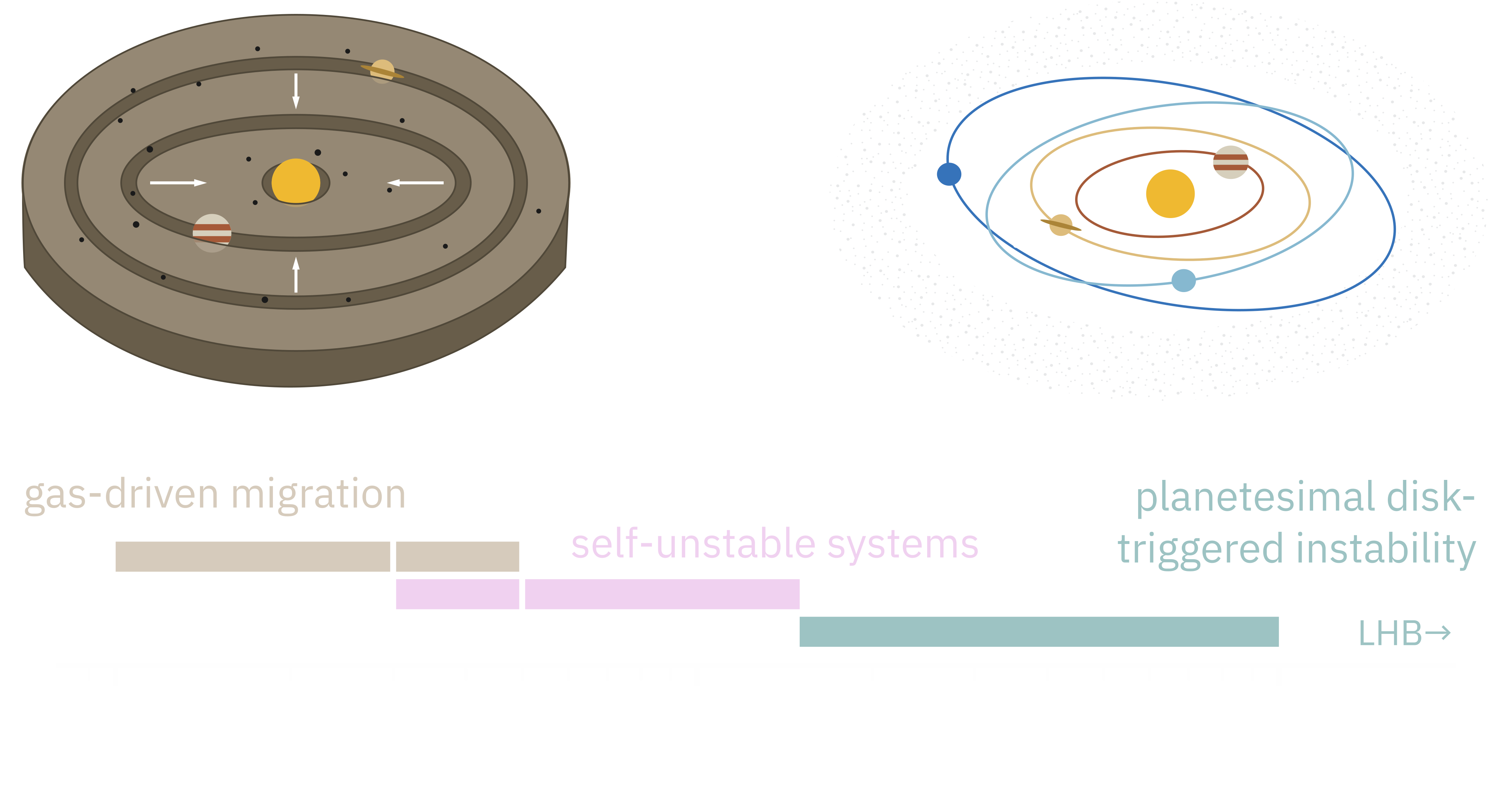
Four mechanisms, four timescales
- Gas-driven migration (Grand Tack)
- Planetesimal disk-triggered instability
- Gas dissipation (and rebound)
- Self-unstable systems
When did giant planets migrate?
So…a meteoritical perspective?
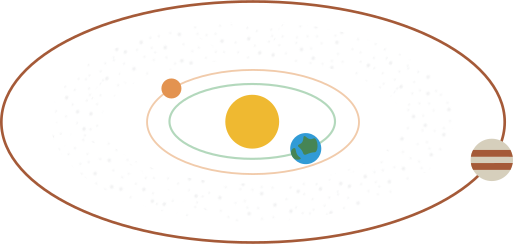
Dynamical excitation → chaos in the inner solar system
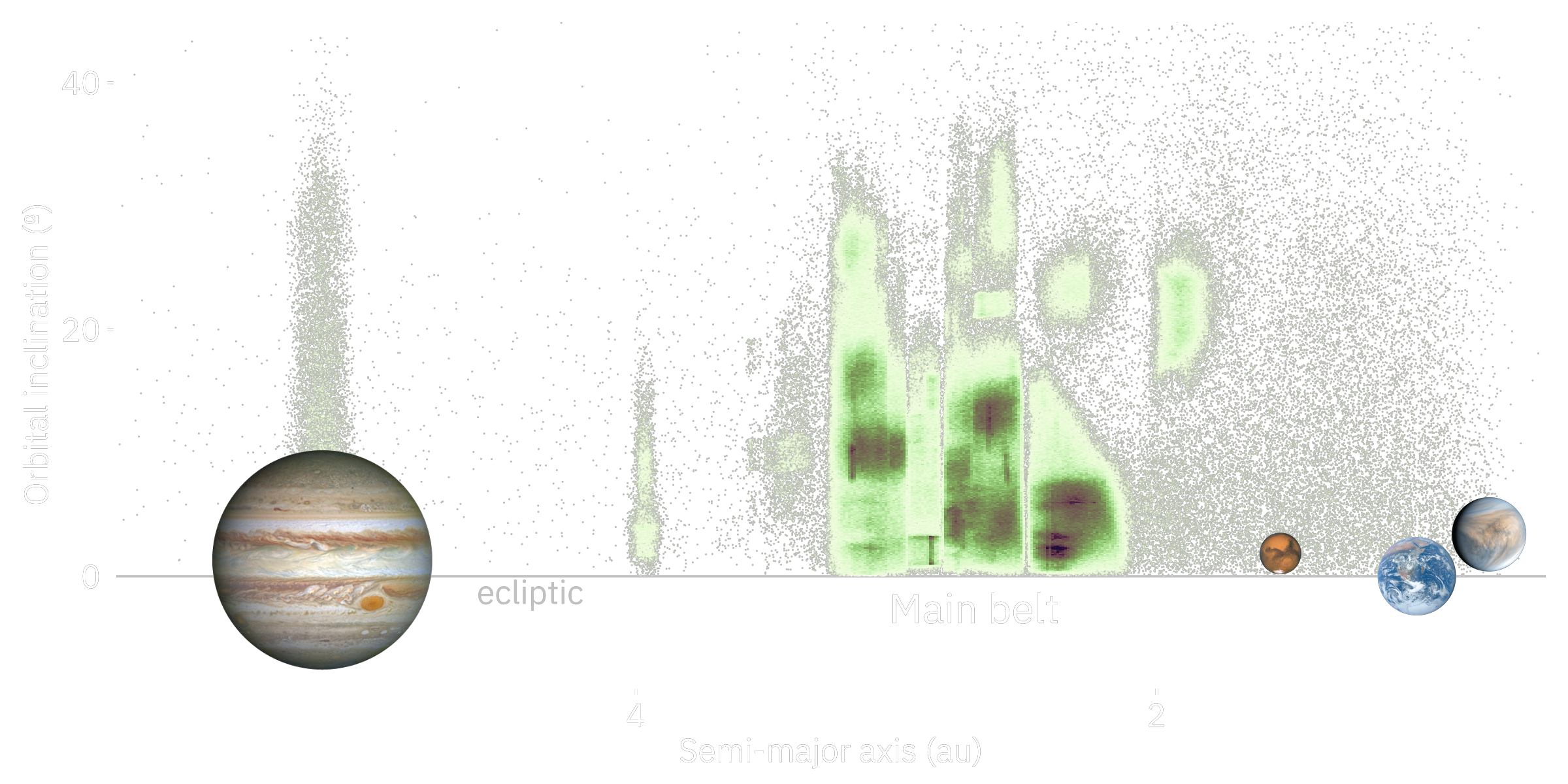
Asteroids are witnesses (and participants) of inner solar system dynamics
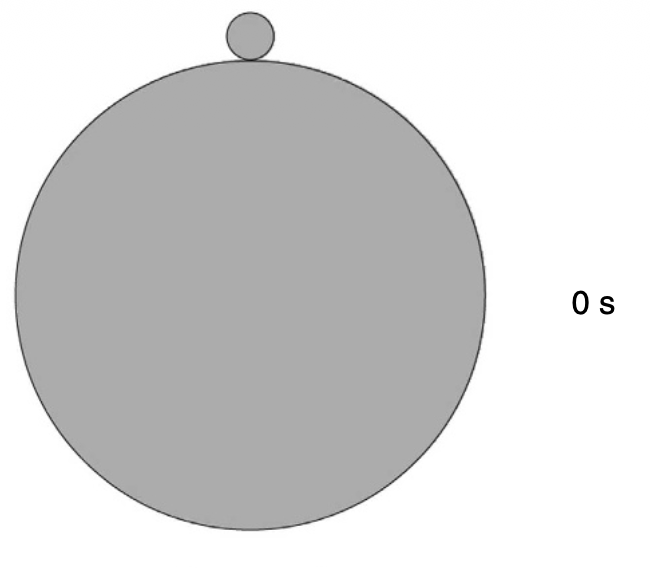
Asteroid collisions release energy and generate heat
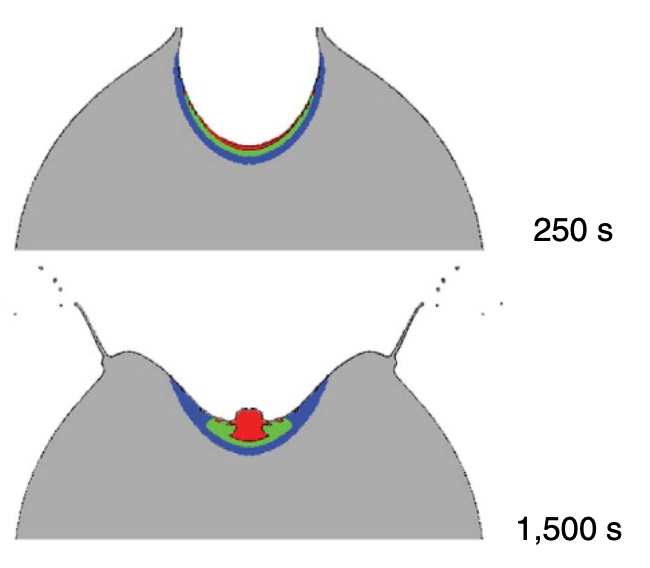
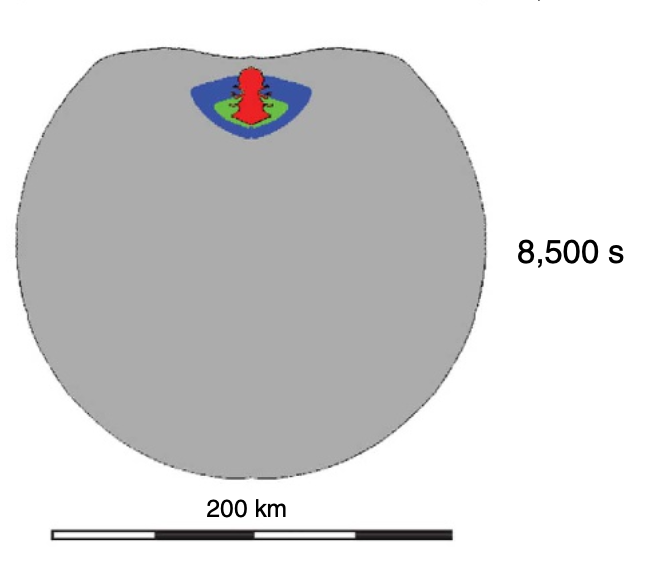

Meteorites sample the asteroid population
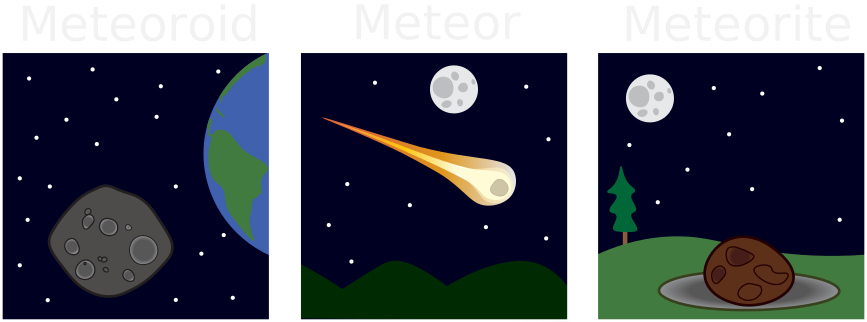
Meteorite thermochronology

The radioactive 40K decay system
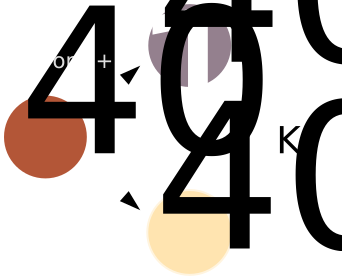
K-Ar radiochronometer
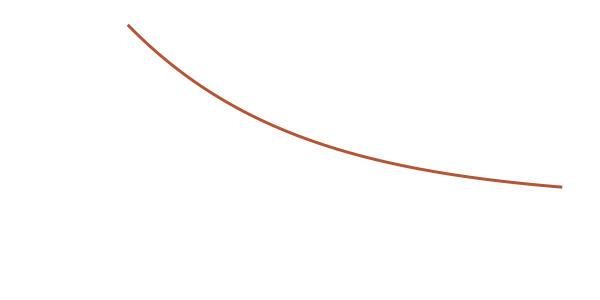
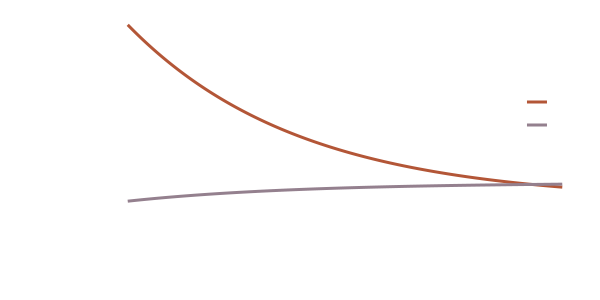

K-Ar thermochronometer
At high temperatures, Ar is lost from the mineral.

≫500 K
At low temperatures, Ar is retained and records time.

≪500 K
When did giant planets migrate?
Can we reconstruct asteroid belt collisional history (and system-scale dynamical excitation) from meteorite thermochronology?
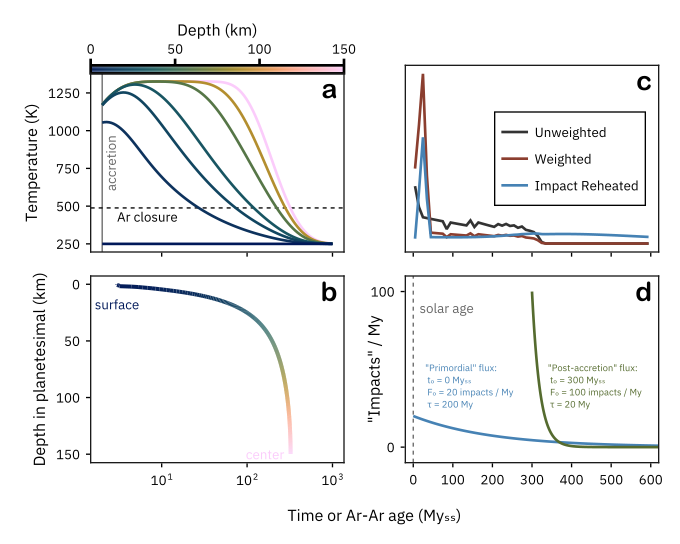
Modeling asteroid-scale thermochronology
Modeling asteroid-scale thermochronology
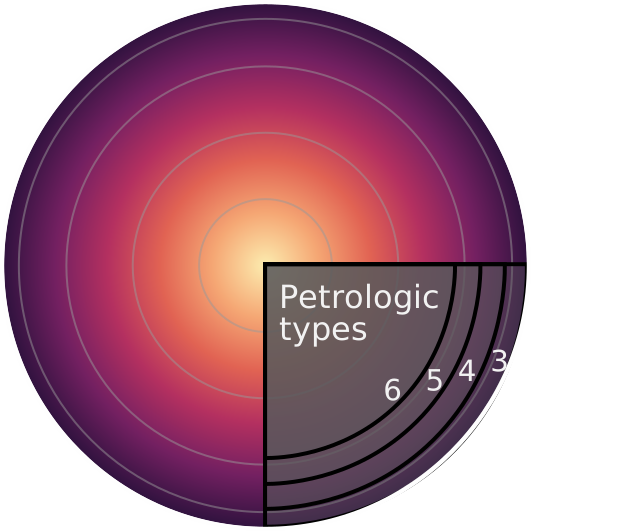
- midplane temperature
- heat-producing element abundances
- Ar closure temperature
- planetesimal radius
- time of accretion
- material properties
Modeling asteroid-scale thermochronology
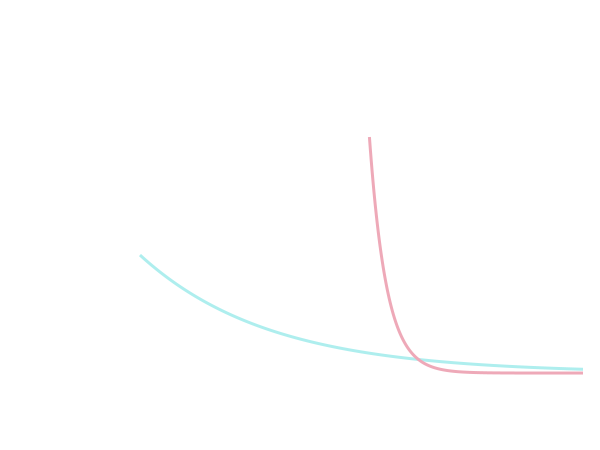
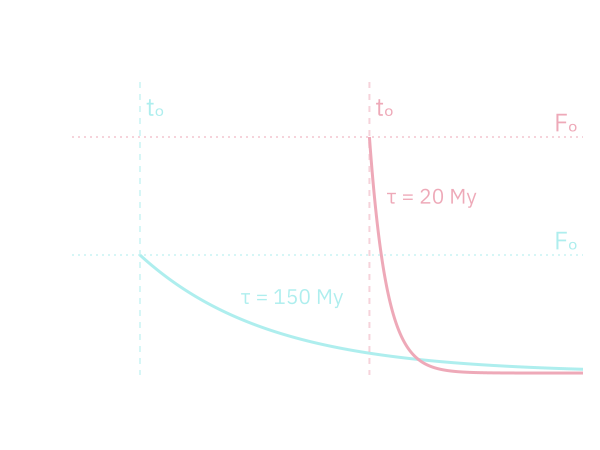
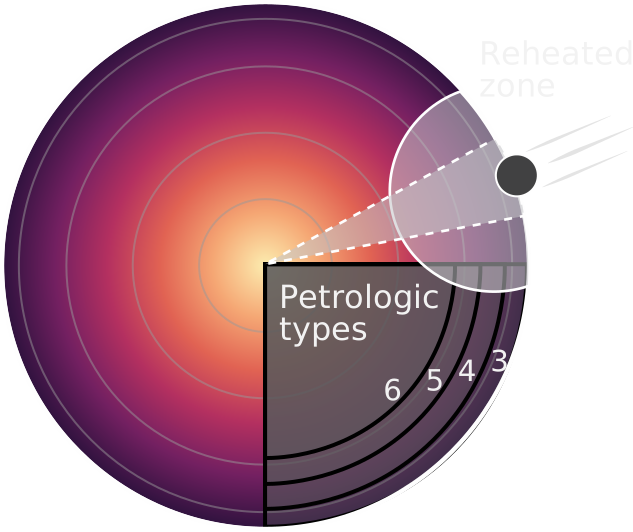
Exponentially decaying bombardments (impact fluxes)
Asteroid ⇆ meteorite thermochronologic data
Compiling chondritic 40K-40Ar system ages
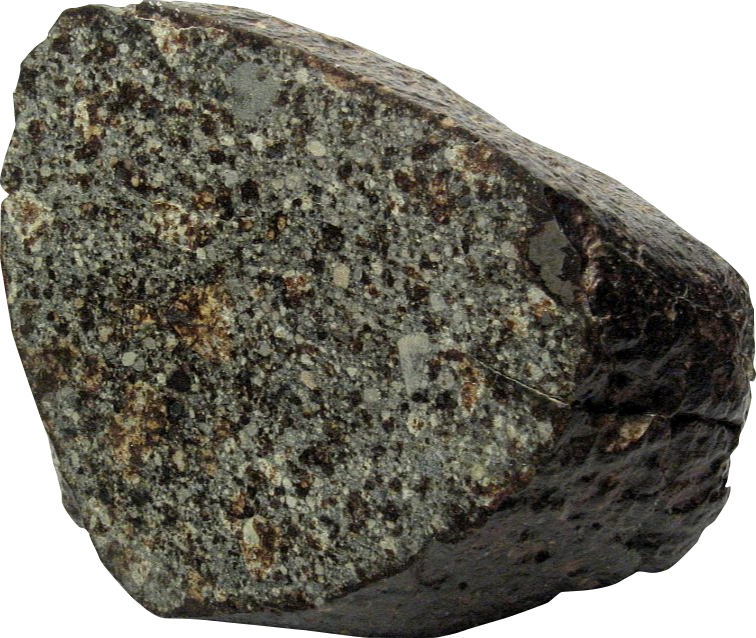


Chondrites are common in the meteorite record
Chondrite parent bodies did not melt
Inner solar system chondrites had similar parent bodies with (roughly) similar histories
Compiling chondritic 40K-40Ar system ages
Compiled >200 ages from >70 sources…
- Journals
- Reports
- Conference proceedings
- Conference abstracts



Database of chondritic 40K-40Ar system ages

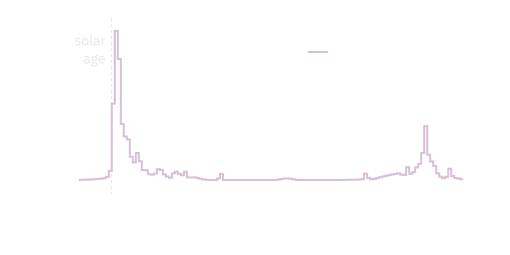
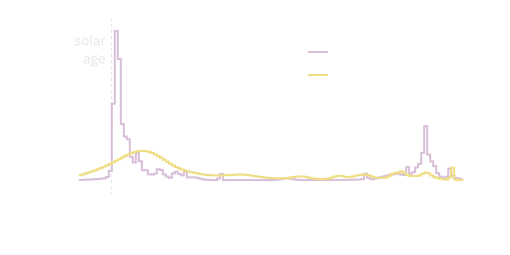
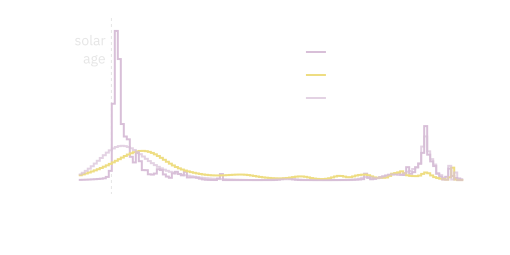
Database of chondritic 40Ar-39Ar ages
- early peak
- monotonic decline
- recent break-up events →
Database of chondritic 40Ar-39Ar ages

Fitting thermochronologic
(forward) models to data
Markov chain Monte Carlo
MCMC inversion of chondrite thermochronologic data
Prior
Posterior

ImpactChron.jl
Methods
Methods
MCMC inversions of simulations employing different bombardment scenarios
- No bombardment (flux of impactors)
- One bombardment
- Two bombardments
- Three or more bombardments
Then, interpret the posterior timescales and characteristics of the bombardment(s).
Results
Prior & posterior 40Ar-39Ar age distributions
Prior & posterior 40Ar-39Ar age distributions
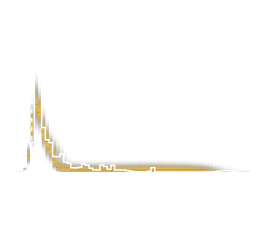

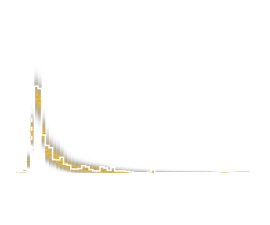
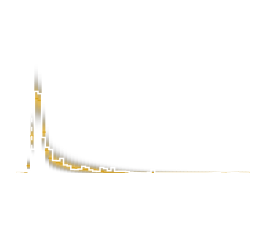
Prior & posterior 40Ar-39Ar age distributions
One impact flux
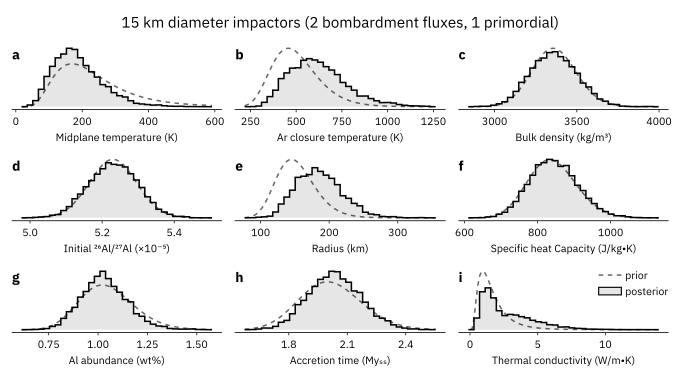
Thermochronologic parameters


One impact flux
Posterior distributions
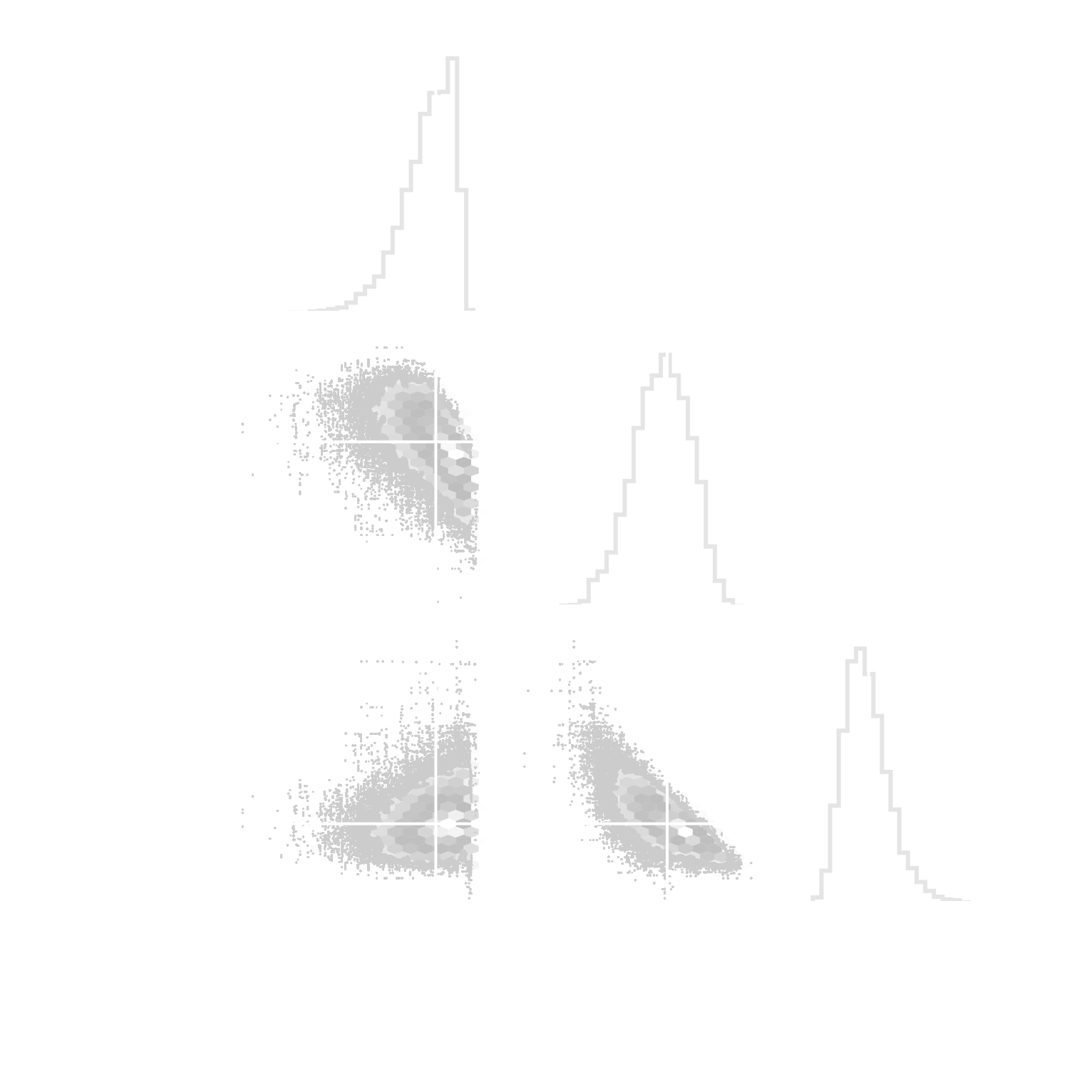
One impact flux

A mild and protracted primordial impact flux
Two impact fluxes
Thermochronologic parameters

Two impact fluxes
Bombardment intensity & duration
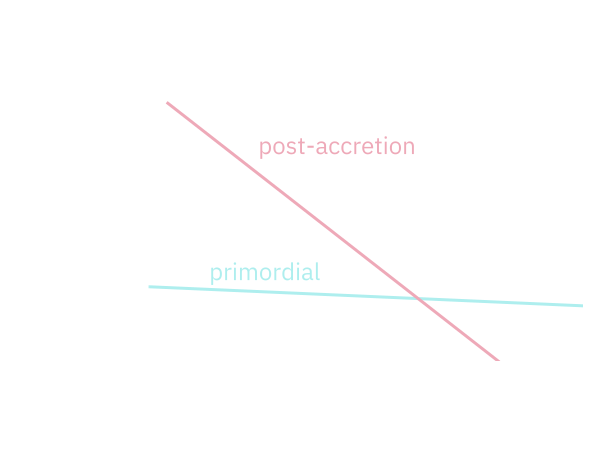
An intense and brief post-accretion bombardment
A mild and protracted primordial impact flux
Two fluxes are sufficient reproduce the prior
More than 2 fluxes are not necessary to reproduce the prior
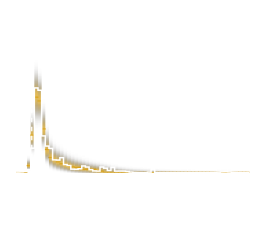
Bombardment histories with two impact fluxes are necessary and sufficient to reproduce chondrite thermochronology with a migration event
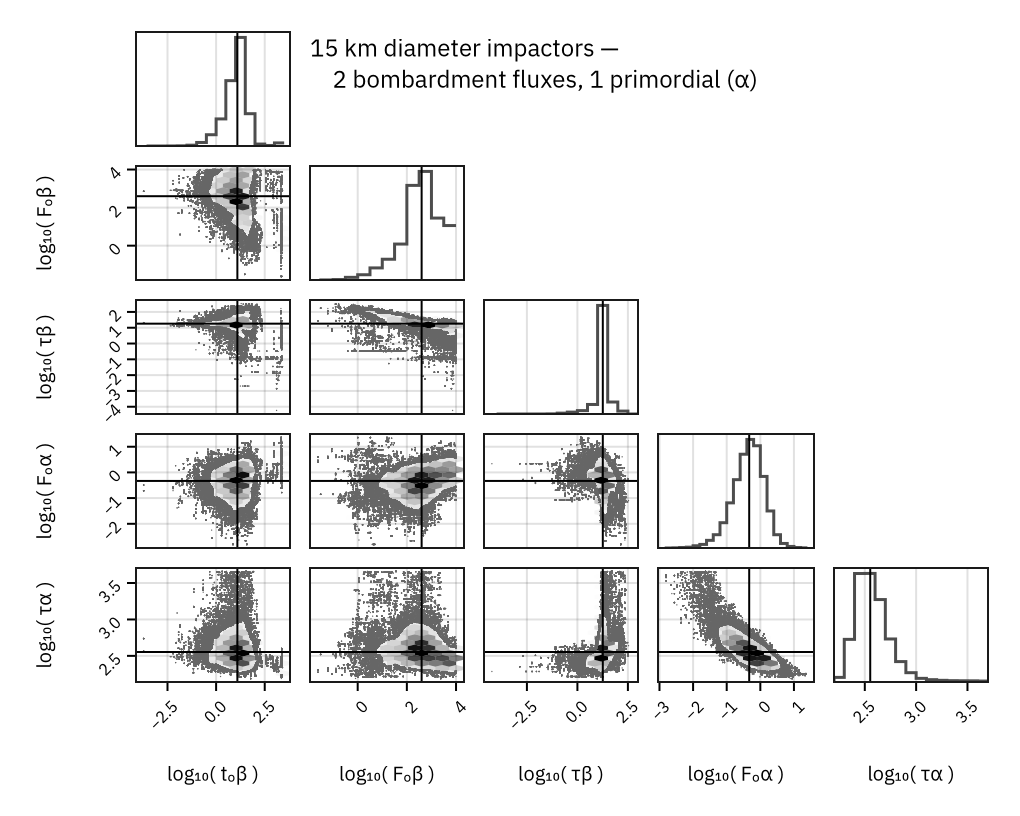
Posterior distributions of impact fluxes in a two-bombardment history
Primordial
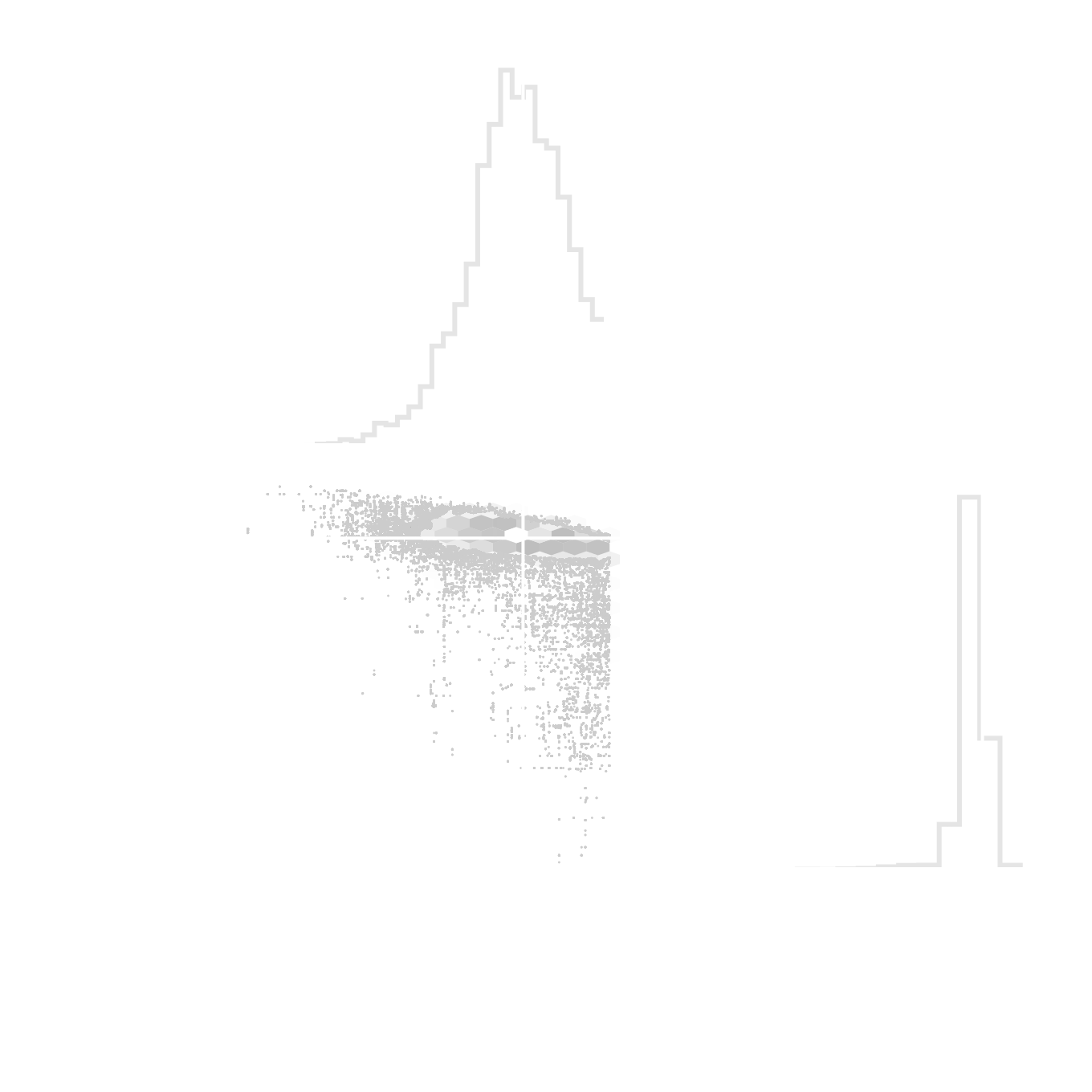
Onset anchored to to = 0 Myss
Post-accretion
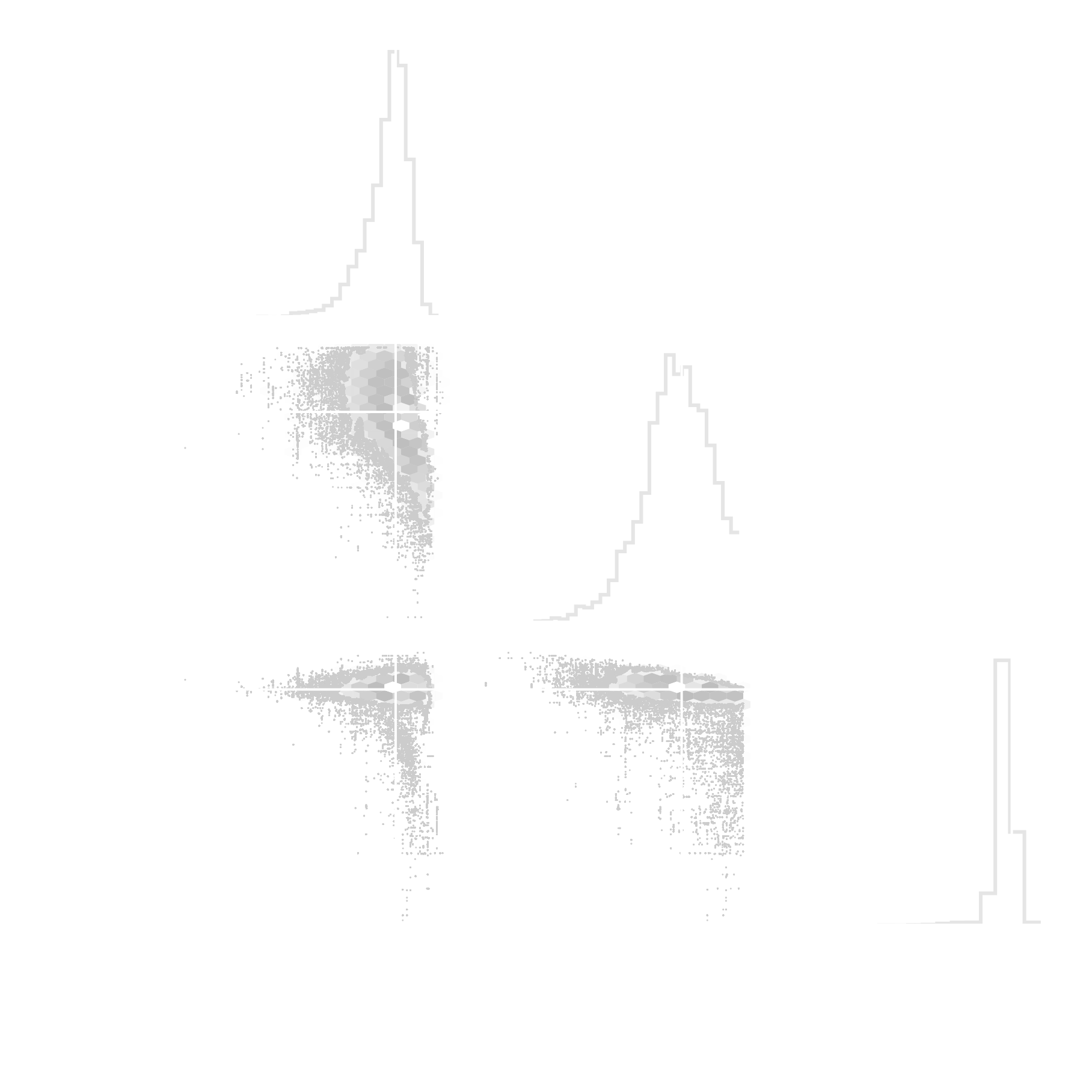
Posterior distribution of post-accretion bombardment onset
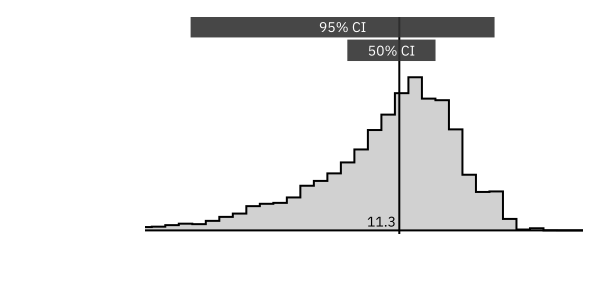
No evidence for a Late Heavy Bombardment
Embedded in a gaseous disk
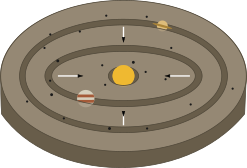
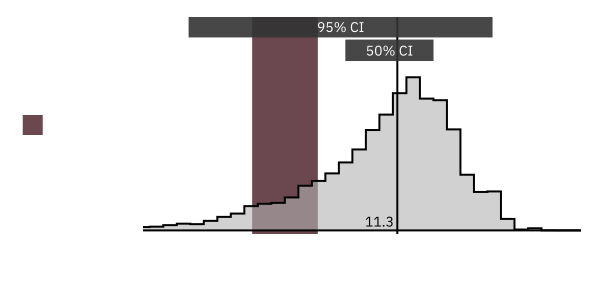
Dissipation of gaseous disk
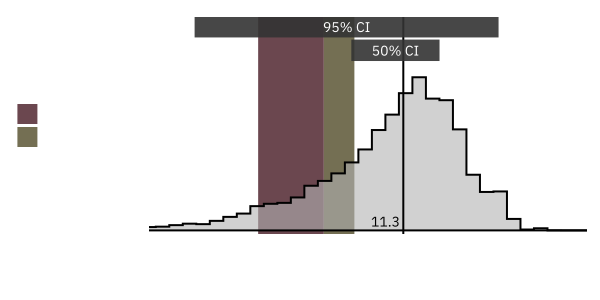
Self-unstable system after gas dissipation
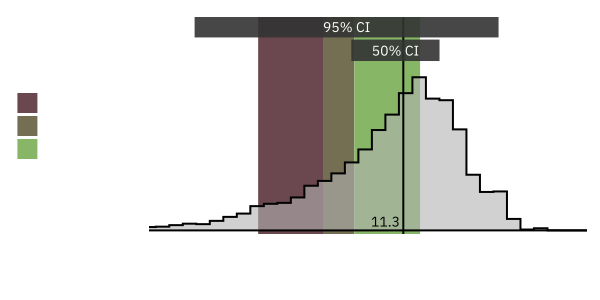
Outer planetesimal disk-triggered instability
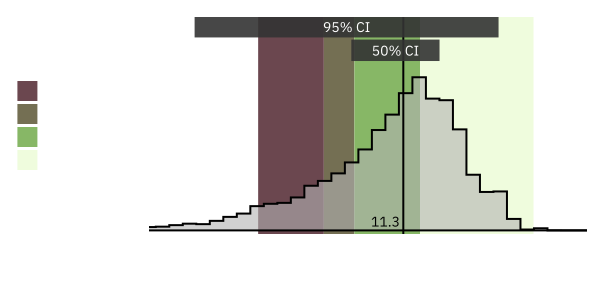
Giant planets migrated during an instability
(≥75% confidence)
Instability followed dissipation of the gaseous disk
(∼50% confidence)
Conclusions
Conclusions
- Giant planets migrated during an early instability, likely associated with dissipation of the gaseous disk.
- Importance of <20 My (exo)planetary systems to understand ours…
- Ar-Ar geochronologists should date more chondrites.
Acknowledgements
Coauthors: C. Brenhin Keller, Elisabeth R. Newton, Cam Stewart.
Maggie Thompson, Munazza Alam, Cyril Opeil for insightful conversations.
NSF AAPF, Award 2102591
Appendix
Appendix
Methods
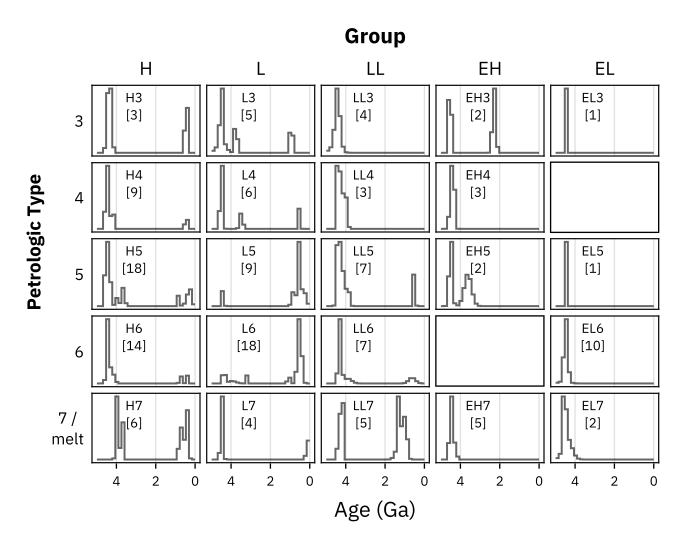
Age distributions by meteorite classification
Thermochronologic simulation methods
Model validation
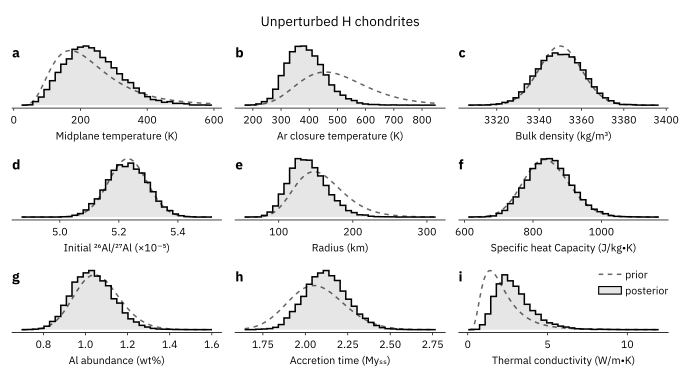
Appendix
Extended data
No bombardments
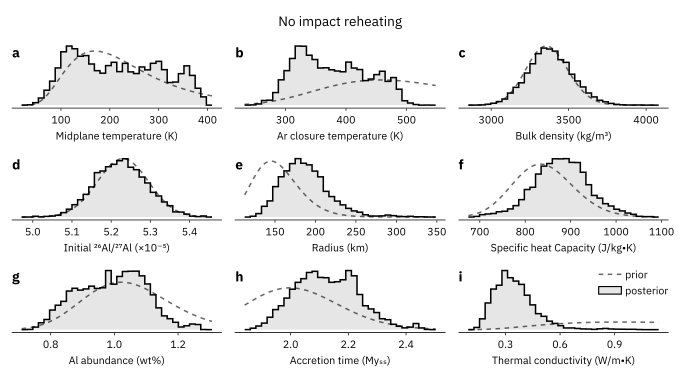
Two “free” bombardments
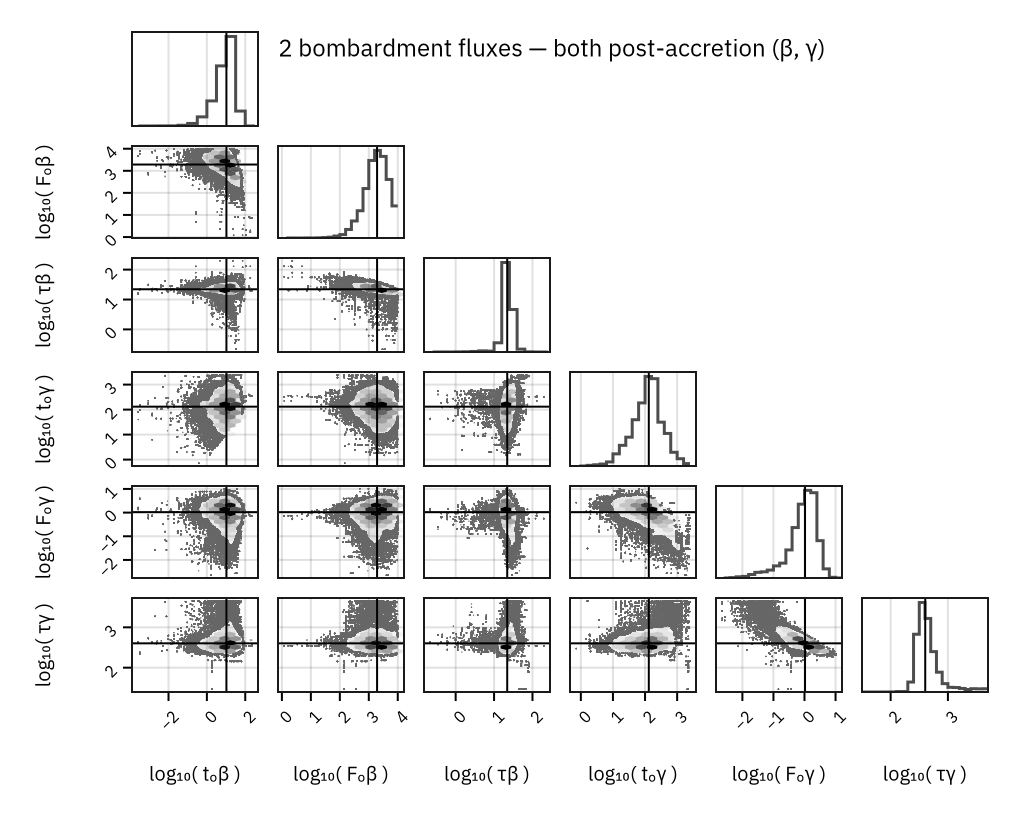
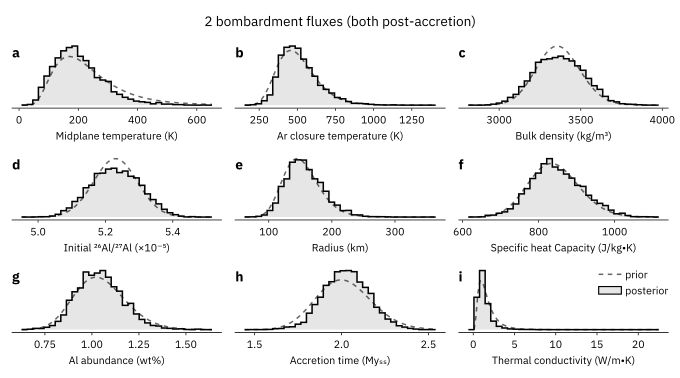
Three bombardments
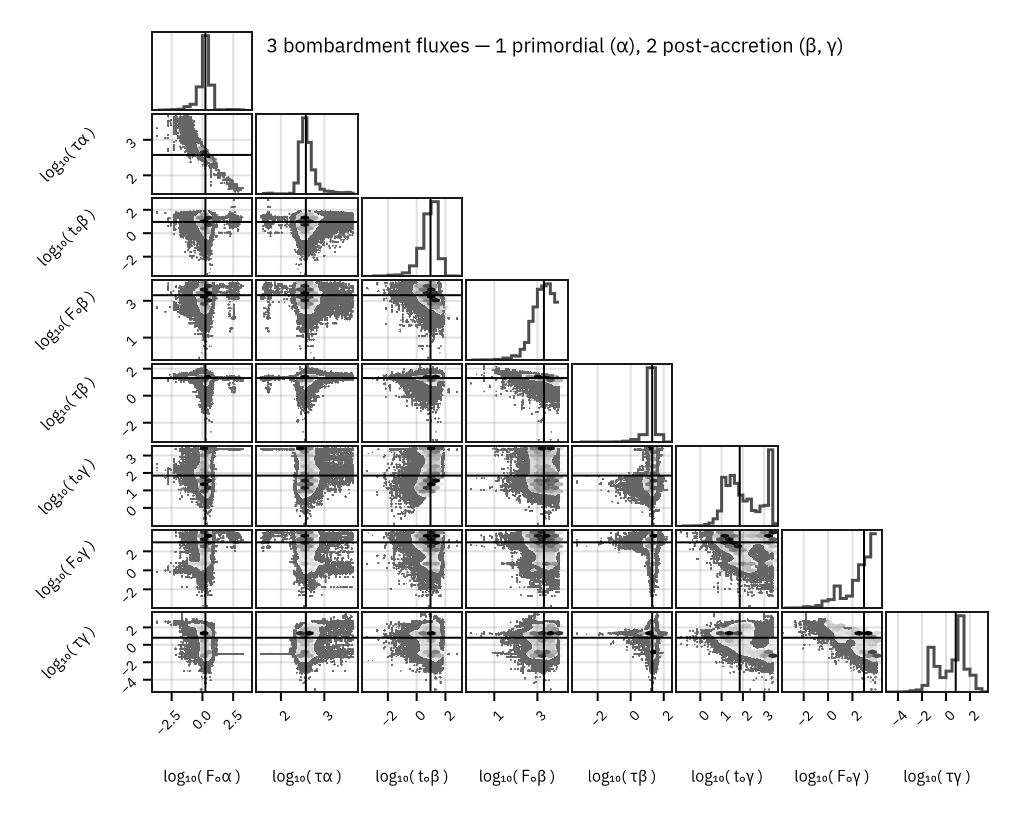
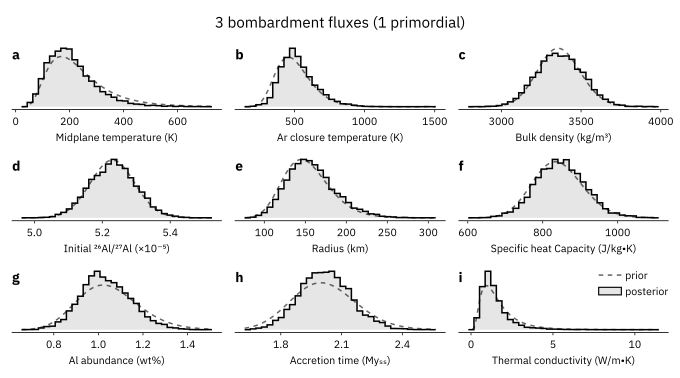
Appendix
Decay constants and age of CAIs
Decay constants
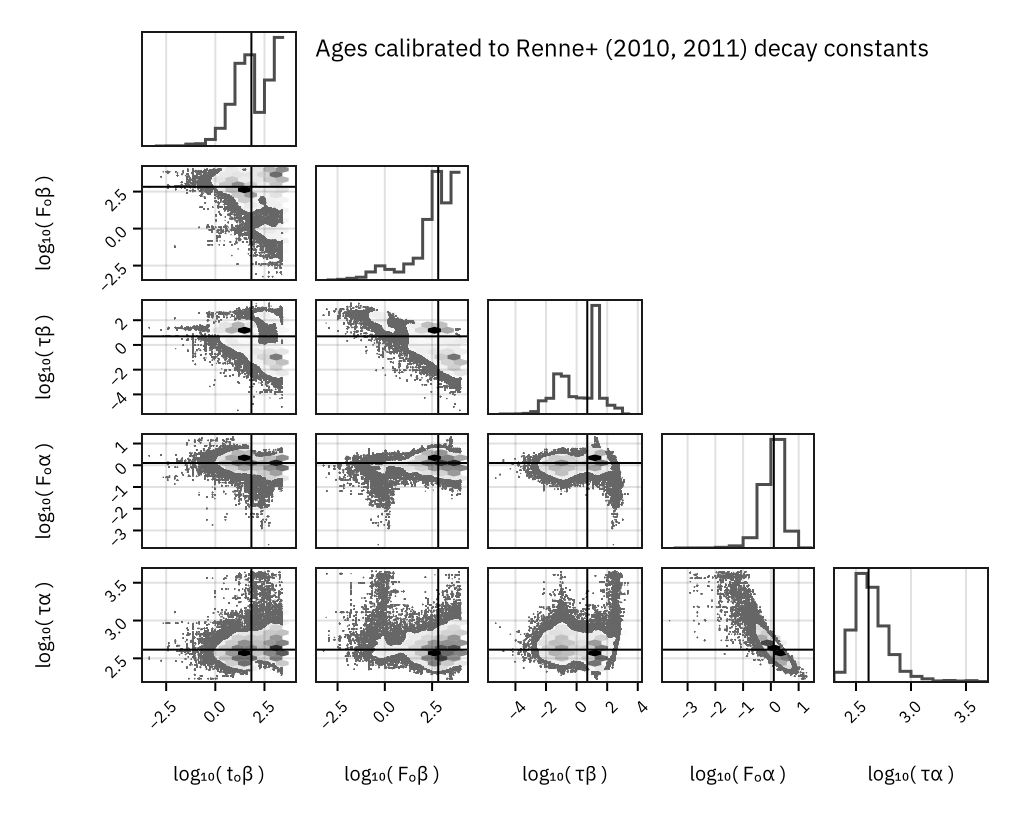
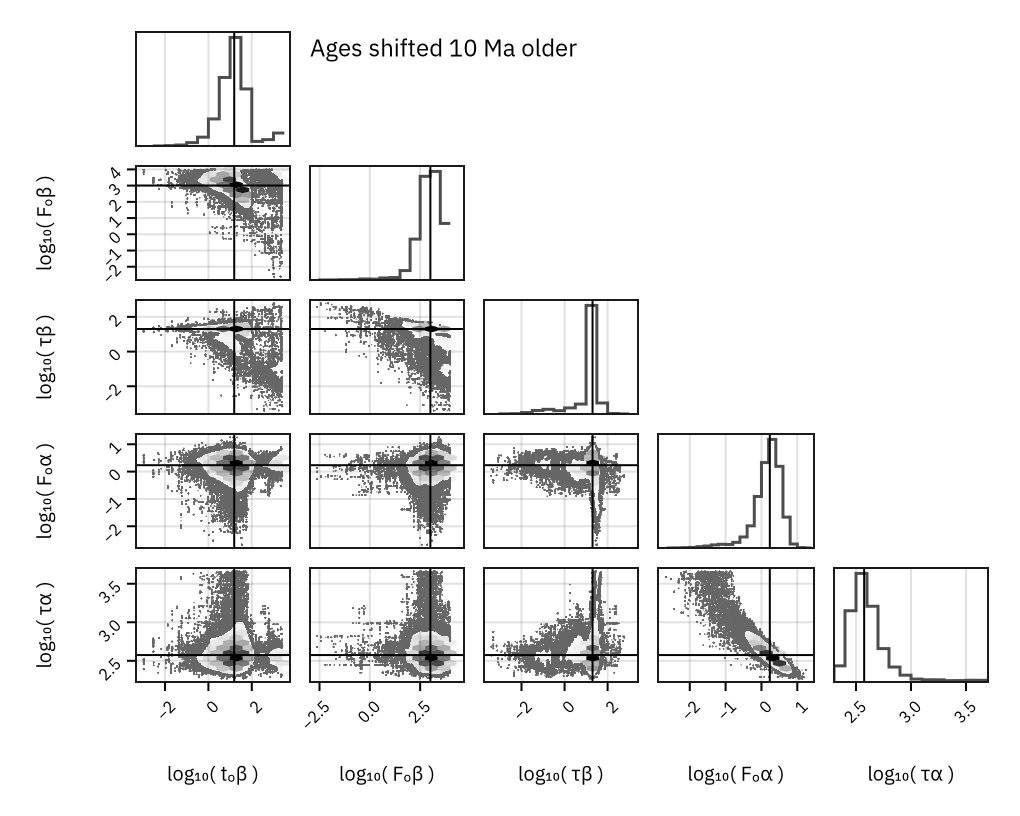
Age of CAIs (tss)
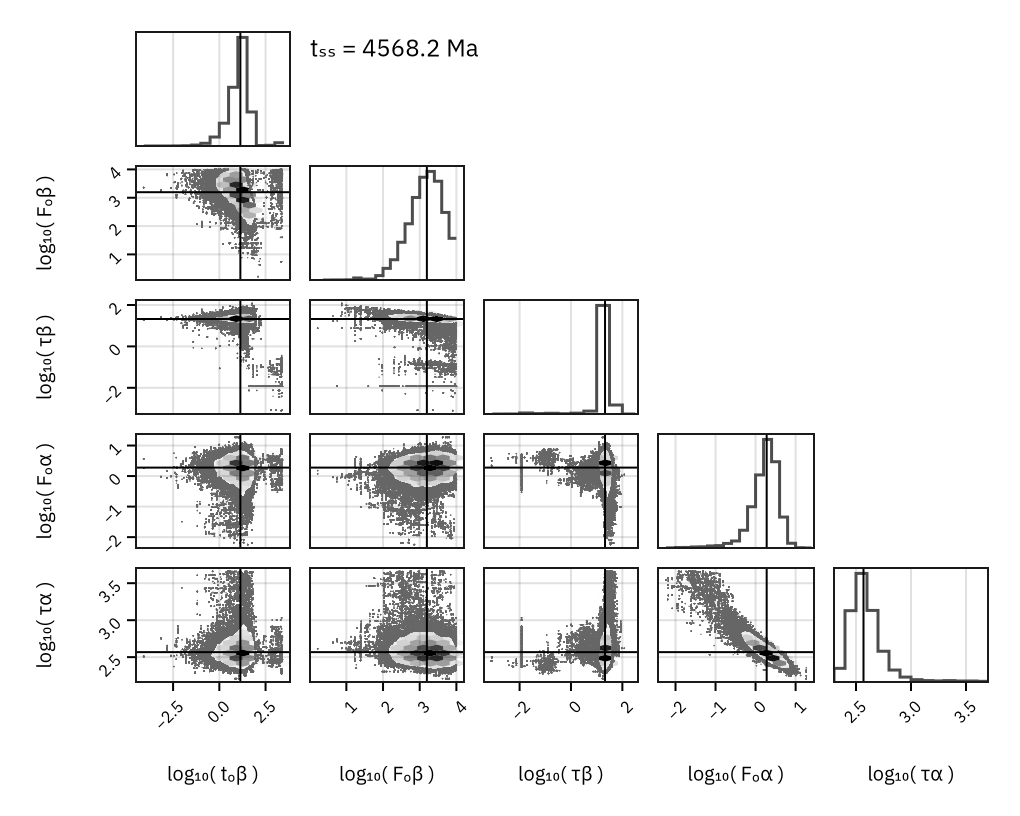
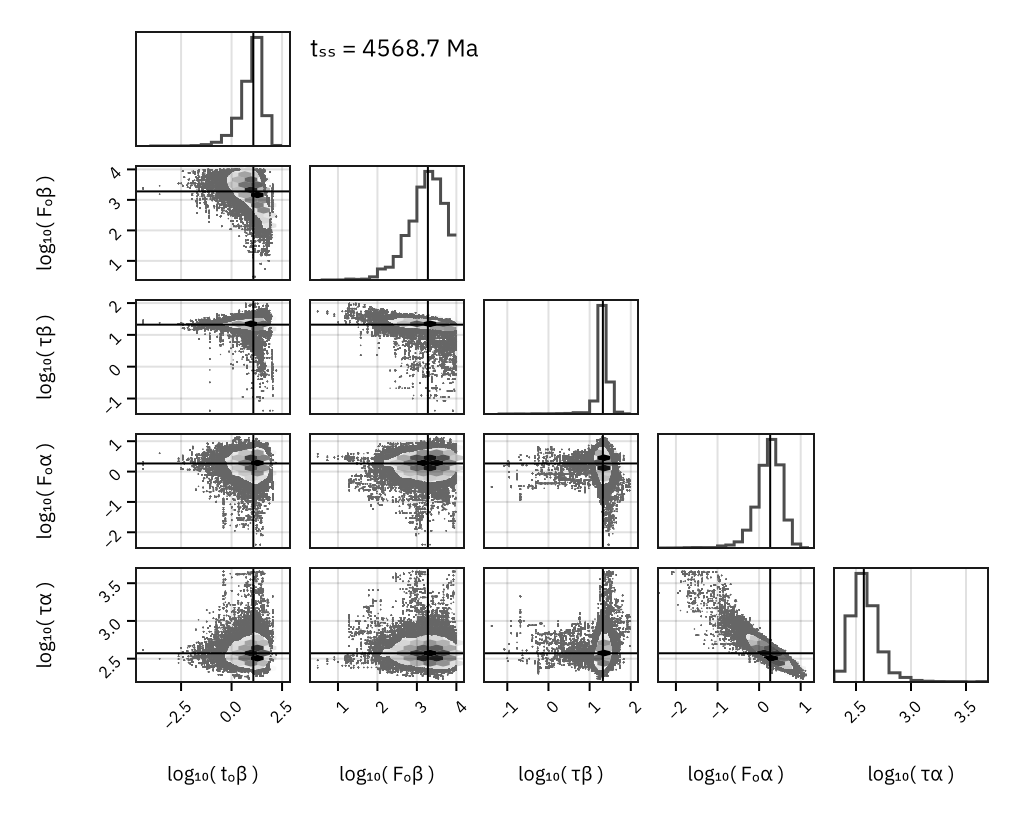
Appendix
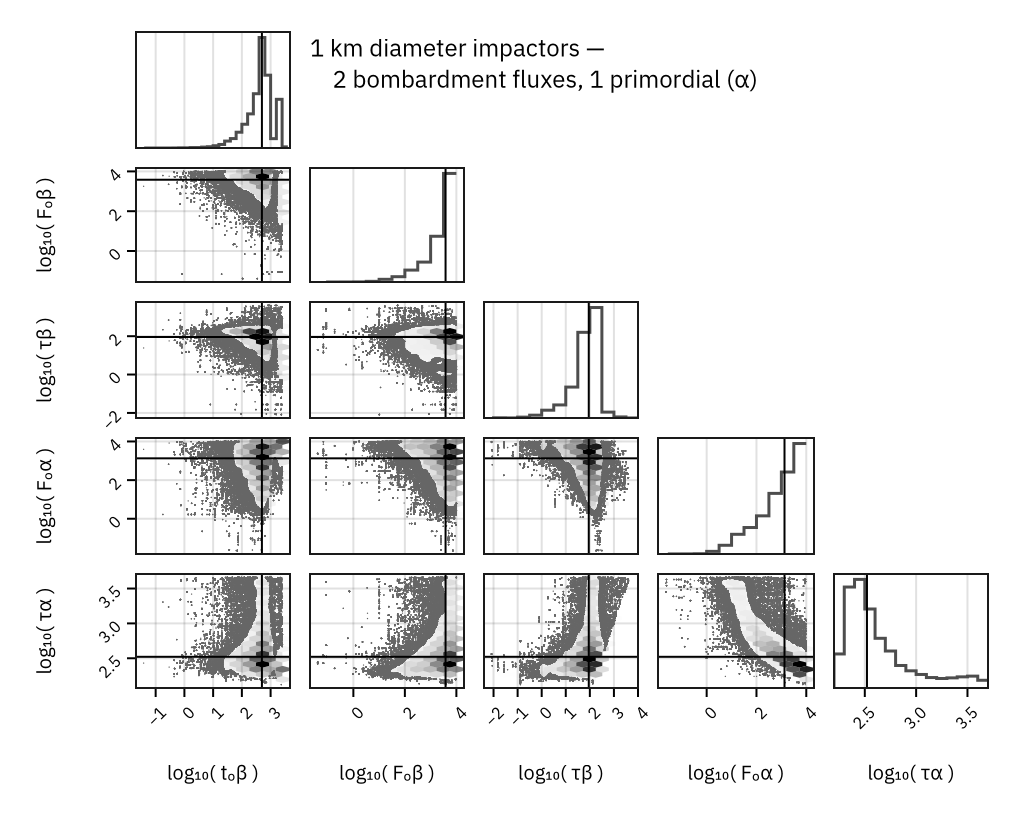
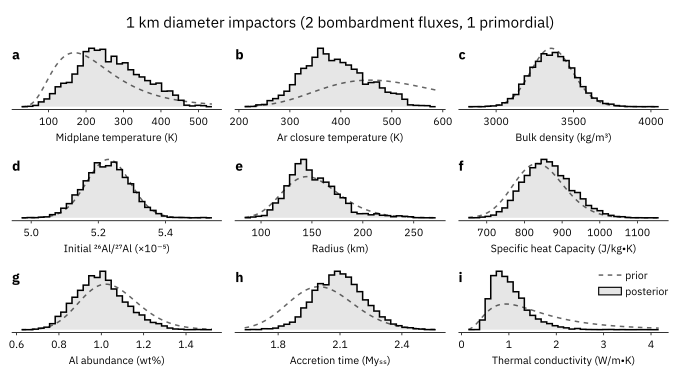
Exploring more realistic impactors
Impactor D = 1 km
Impactor D = 15 km